Choosing the right pot for a garden hydrangea is a key step that determines the intensity of the flower color and the health of the root system. If you are wondering why your plant is withering despite watering, the reason may be a container that is too tight or impermeable. In this article, you will learn what technical parameters a professional pot should meet so that the hydrangea becomes the showcase of your terrace. You will learn specific dimensions and materials that will make it easier for you to care for these demanding shrubs.
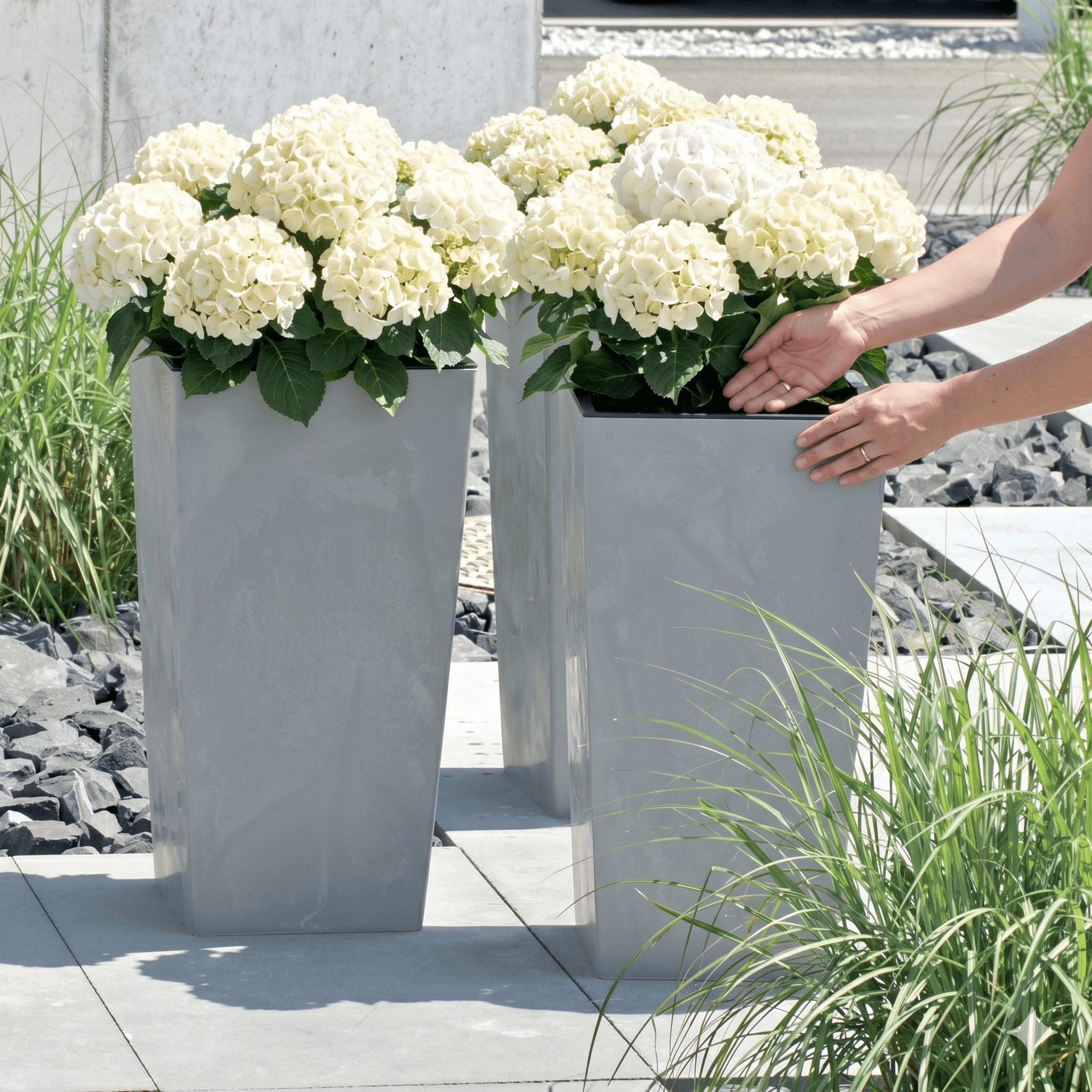
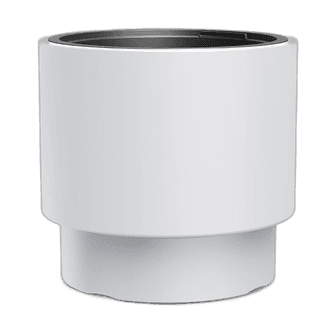
The size of the pot is of key importance in the cultivation of garden hydrangeas, because Hydrangea macrophylla creates an extensive and dynamically growing root system. A container that is too small very quickly leads to the substrate drying out, limited flowering, and weaker growth of the shrub. For a young seedling, the absolute minimum is a pot with a capacity of about 10 liters, but in practice, it is best to choose a larger model right away. Adult hydrangeas need containers with a volume of 30 to even 50 liters, especially if they are to grow on a terrace or balcony for several seasons without repotting.
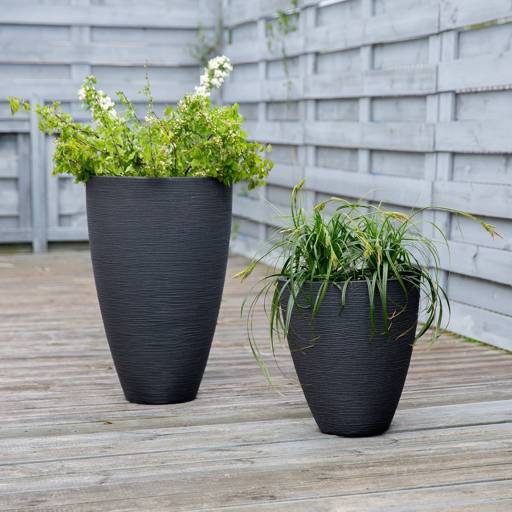
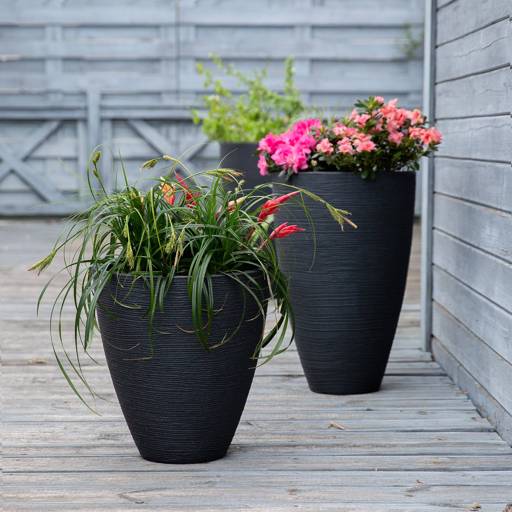
The diameter of the pot should be at least 40 centimeters so that the roots can grow freely and take up water and nutrients. Equally important is the depth of the container, optimally at least 40–45 centimeters. Hydrangeas react poorly to overheating of the root system, which is why shallow pots do not work well in their cultivation, especially during summer heat. In the case of varieties such as hydrangea little lime, it is worth choosing even larger containers, because panicle varieties reach significant sizes and bloom profusely.
It is also worth remembering when to plant hydrangeas in pots. The best time is spring: from April to May, when the risk of severe frosts is already low. Autumn planting is also possible, but young plants then require very good protection against winter. People starting cultivation often also ask when panicle hydrangeas bloom. Most varieties start blooming in July and maintain flower clusters until October, making them an exceptionally decorative element of the terrace or garden for many months.
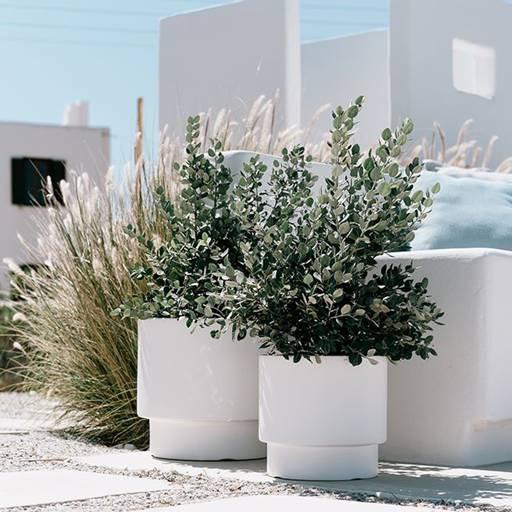
The selection of the appropriate pot material directly affects the water management of the substrate, and hydrangeas are among the plants exceptionally sensitive to drying out. Models made of technorattan or high-quality plastic provide good thermal insulation and limit the heating of the root ball. Thanks to this, the soil loses moisture more slowly, which is particularly important during intense heat.
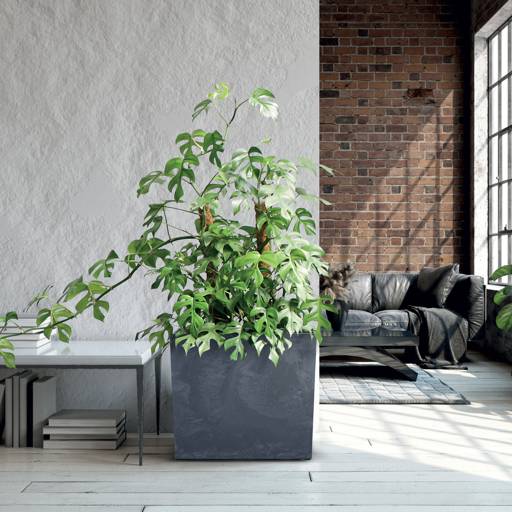
Concrete pots look very impressive and are exceptionally stable, but their porous structure can cause faster evaporation of water. In such cases, it is worth using an additional waterproofing layer or checking the substrate moisture more often. On the other hand, plastic pots with thick walls are light, mobile, and practical, especially when we plan to winter the plants in a cool room with a temperature of about 5 degrees Celsius.
The appropriate substrate is also of great importance. Hydrangeas grow best in slightly acidic, permeable soil rich in humus. Many gardeners wonder how to acidify the soil for hydrangeas to improve their condition and flowering intensity. The most effective methods are using acidic peat, pine bark, ammonium sulfate, or special fertilizers for hydrangeas. Regular acidification of the substrate allows maintaining the appropriate pH at a level of about 4.5–5.5, which promotes healthy plant growth.
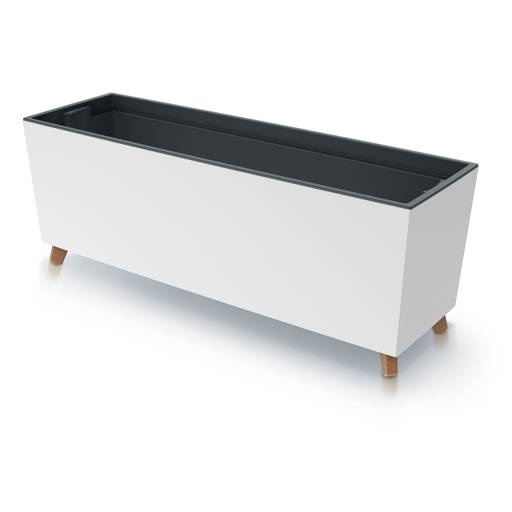
Every pot for hydrangeas should have appropriately large drainage holes, preferably with a diameter of at least 10 millimeters. Their task is to drain excess water and protect the roots from rotting. At the bottom of the container, it is necessary to make a drainage layer of expanded clay, gravel, or small stones with a thickness of 5 to 10 centimeters. Such a solution ensures proper aeration of the substrate and a stable moisture level.
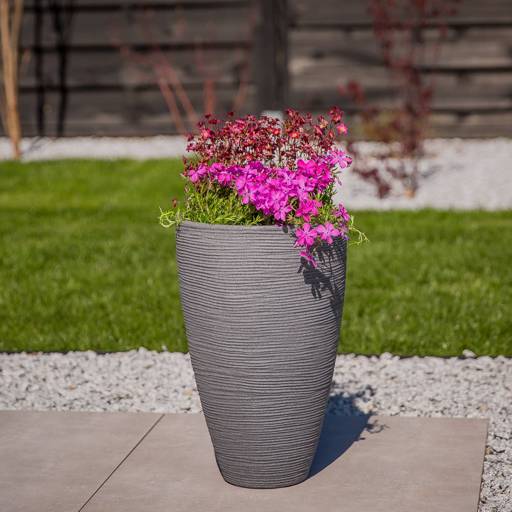
When choosing a pot, it is also worth paying attention to the material's resistance to UV radiation and changing weather conditions. High-quality pots do not crack in winter and do not fade under the influence of the sun. Tall pots intended for large hydrangea varieties should be additionally weighted with a layer of stones or gravel at the bottom, which protects the plants from tipping over during strong winds.
A correctly selected pot, appropriate substrate, and regular watering have a direct impact on plant health and flowering abundance. Thanks to this, hydrangeas, both garden and panicle, can be an effective decoration for balconies, terraces, and home gardens for many years.
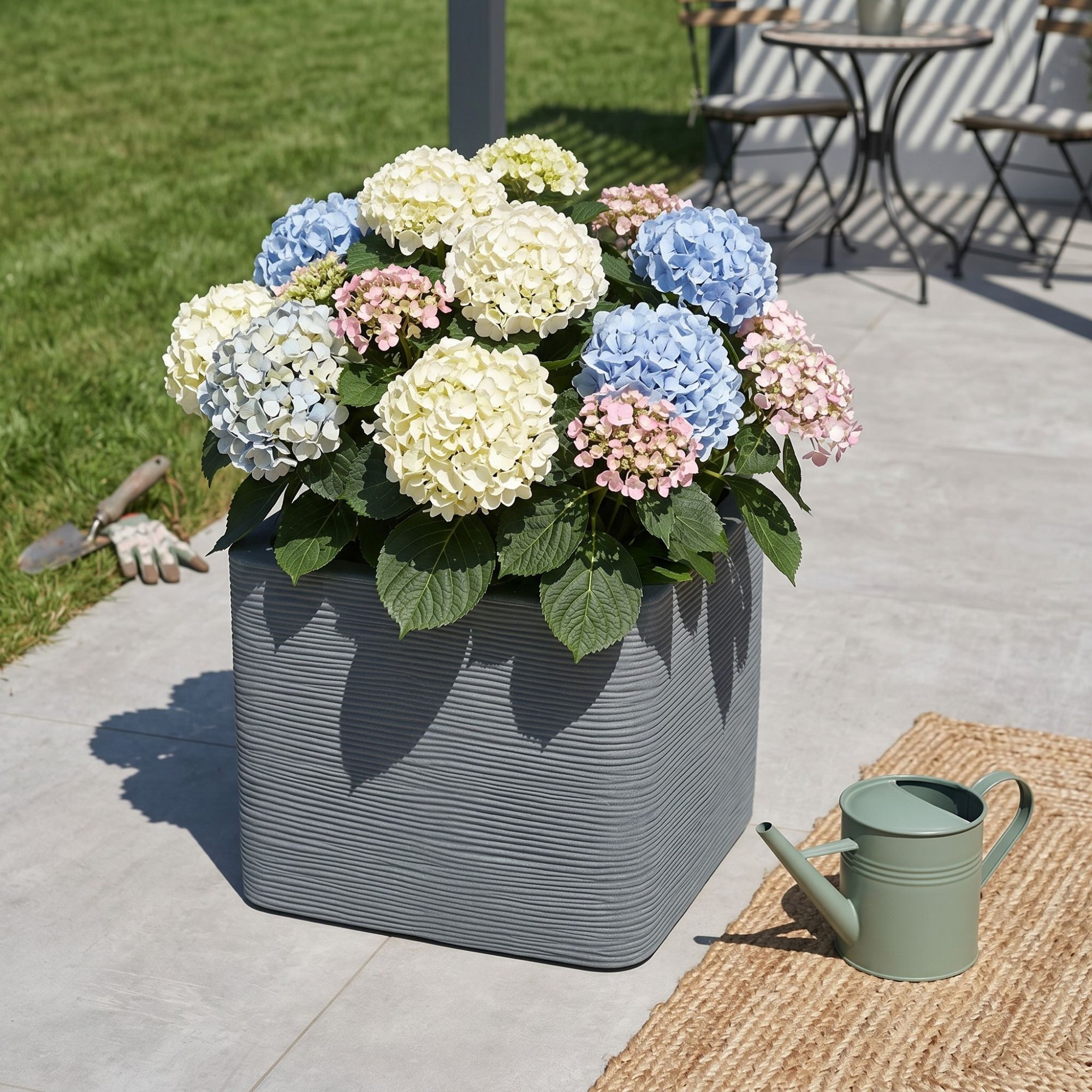
Not every hydrangea performs equally well in container cultivation, which is why choosing the right variety is of great importance. On terraces and balconies, hydrangeas with a compact habit, a long flowering period, and high resistance to changing weather conditions work best. Properly selected varieties can bloom continuously from summer until autumn, creating an impressive decoration for the relaxation area. One of the most frequently chosen varieties for pots is the little lime hydrangea. This is a compact variety of panicle hydrangea that usually grows to about 100–150 centimeters in height. Its great advantage is the decorative inflorescences that change color from light green to creamy, and then to a delicate pink. The plant tolerates container cultivation very well, is frost-resistant, and does not require complicated care. Garden hydrangea varieties, such as Endless Summer or Masja, are also very popular. They are characterized by intense flower colors and the ability to repeat flowering. However, it is worth remembering that garden hydrangeas are more demanding in terms of substrate moisture and winter protection than panicle varieties.
Many gardeners wonder when panicle hydrangeas grown in pots bloom. Most varieties start blooming as early as July and maintain impressive inflorescences even until October. Thanks to this, hydrangeas are among the longest-blooming ornamental plants for terraces and balconies. For plants to grow healthily and bloom abundantly, the right substrate is extremely important. Hydrangeas prefer slightly acidic soil, rich in humus and constantly moderately moist. If you are wondering how to acidify the soil for hydrangeas, it is best to use acidic peat, pine bark, or specialized acidifying fertilizers. Regularly maintaining the correct pH of the substrate affects not only plant growth but also the intensity of flower coloration. The planting date is also of key importance.
The best period is spring: from April to May, because the plants then have time to root well before the arrival of the heat. Autumn planting is also possible, but it requires better protection of the plants before winter. When choosing the right hydrangea variety for a pot, it is worth paying attention not only to the appearance of the flowers but also to the target size of the shrub, frost resistance, and care requirements. Thanks to this, the terrace can look impressive for many months and resemble a small, blooming garden.
Panicle hydrangea is much more resistant to low temperatures than garden hydrangea, however, plants grown in pots are much more exposed to root freezing. This is due to the fact that the root ball in a container is not naturally protected by a layer of soil. Therefore, proper preparation of the plant for winter has a huge impact on its condition and flowering in the next season. The most important thing is to properly protect the pot from frost. It is best to place the container in a sheltered place, against the wall of a building, on a covered terrace, or in a quiet corner of the balcony. It is worth wrapping the pot with a thick layer of agrotextile, a coconut mat, or jute, which will limit the freezing of the root system. Additional protection is provided by placing the container on polystyrene or a wooden stand, so that the cold ground does not cool the roots from below.
Proper watering before the arrival of winter is also very important. Panicle hydrangea cannot overwinter in completely dry soil, because drying out the roots is just as dangerous as frost. The substrate should be slightly moist, but not wet. In autumn, it is worth limiting nitrogen fertilization so that the plant can calmly enter a state of dormancy. In the case of young seedlings or more sensitive varieties, such as the little lime hydrangea grown in a small pot, a good solution may be to move the plant to a cool room. The ideal overwintering temperature is about 0–5 degrees Celsius. Garages, cellars with access to light, or unheated orangeries will work well.
Many terrace owners also wonder when to plant hydrangeas in pots so that they are better prepared for winter. The safest time is spring, because the plants then have several months to develop a strong root system before the arrival of frost. It is worth remembering that proper care in autumn affects later flowering. People growing hydrangeas often ask when panicle hydrangeas bloom. Most varieties develop inflorescences from July until October, so healthy overwintering of the plant is key to obtaining abundant and long flowering in the next season. A well-protected panicle hydrangea will easily survive the winter in a pot and will again become an impressive decoration of the terrace or balcony in the spring.
Can a hydrangea overwinter in a pot outdoors?
Yes, provided that the pot is frost-resistant and is additionally protected with a layer of polystyrene or agrotextile.
What soil is best for hydrangeas in a pot?
It is best to use a substrate with an acidic pH between 4.5 and 5.5 enriched with peat and compost.
How often to water a hydrangea in a pot?
In the summer period, hydrangeas in pots require watering even twice a day so that the substrate remains constantly moist.
When should a hydrangea be repotted into a larger pot?
Repotting is usually necessary every two years or when the roots start to grow through the drainage holes at the bottom.
When do panicle hydrangeas in pots bloom?
Panicle hydrangeas grown in pots usually bloom at the beginning of July and retain their decorative qualities until the first frosts in October.
How large a pot is needed for a hydrangea?
The optimal pot for a hydrangea should have a capacity of 30 to 50 liters and a depth of at least 40 centimeters to provide the extensive root system with stability and proper moisture.
Will a garden hydrangea grow in a pot?
Yes, a garden hydrangea will grow perfectly in a pot, as long as you provide it with a sufficiently large container with a volume of at least 30 liters and a constantly moist, acidic substrate.
When to plant garden hydrangeas in a pot?
The best time to plant a garden hydrangea in a pot is early spring, specifically at the turn of March and April, as this allows the plant to regenerate its root system before the start of intensive vegetation and summer heat.