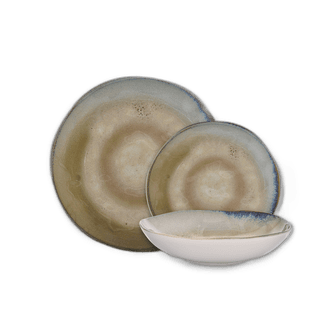
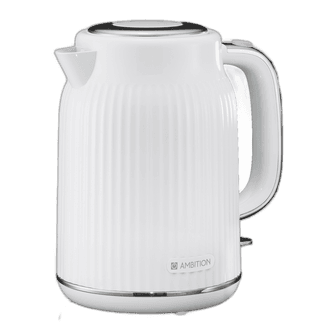
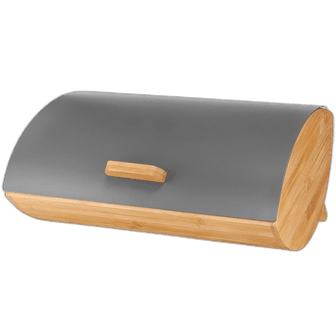
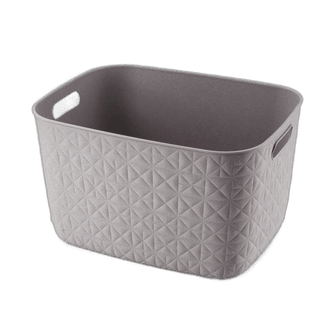
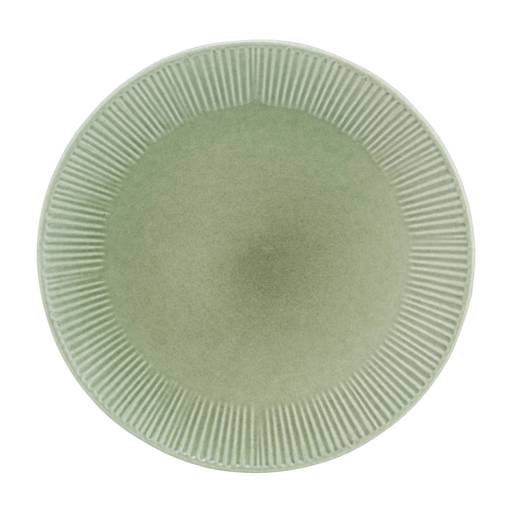
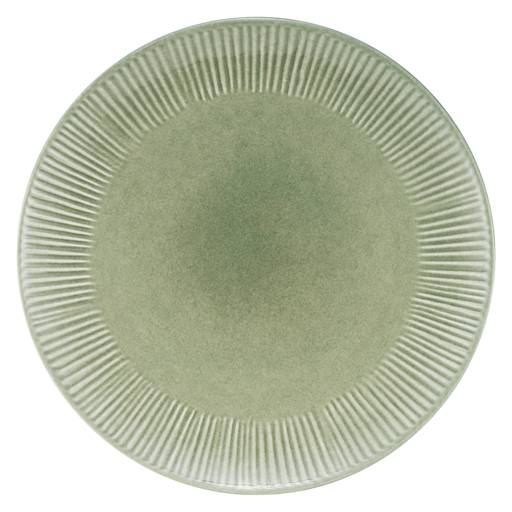
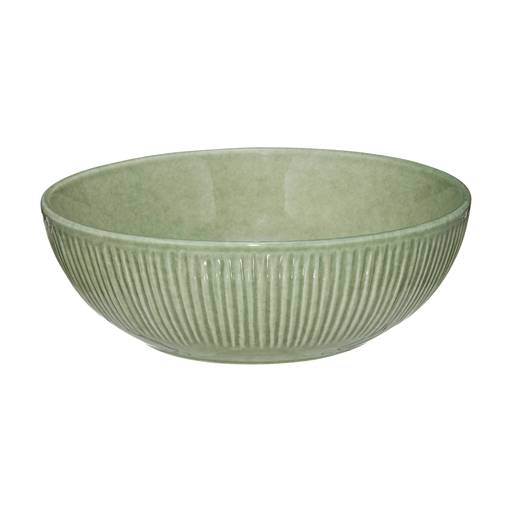
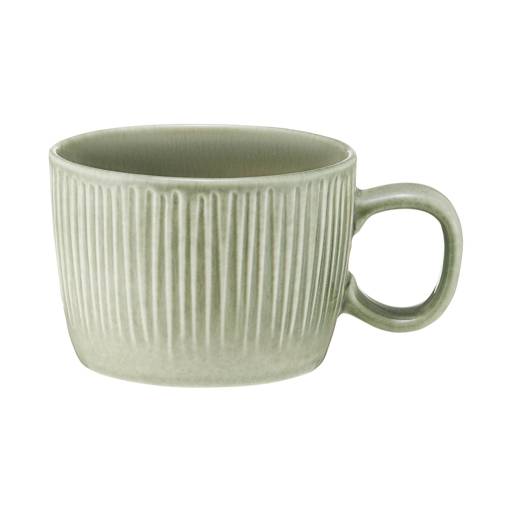
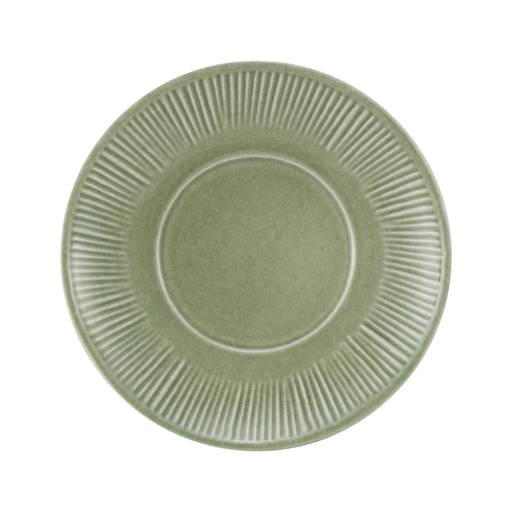
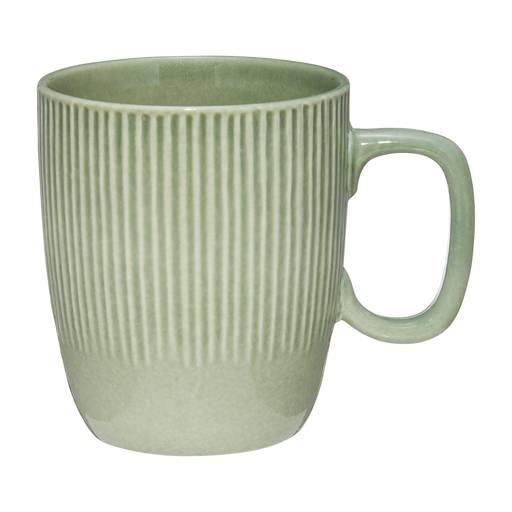
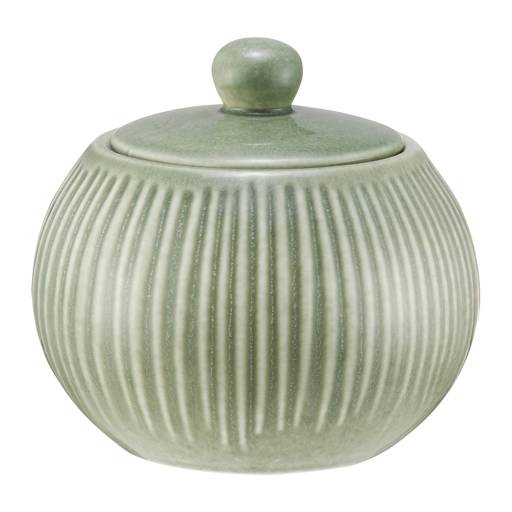
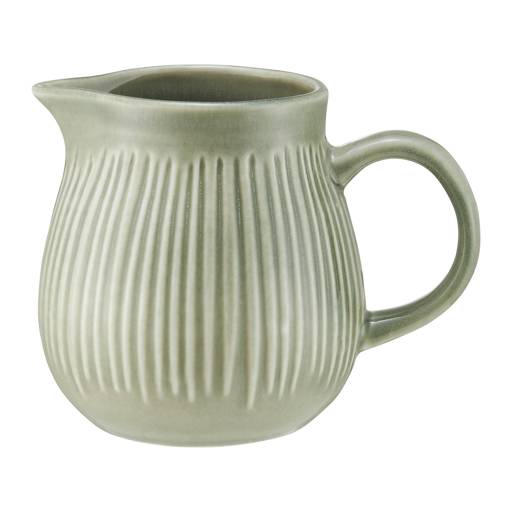
Sage green & Bio-Design is not just a passing fad but a direction that in 2026 is completely changing the way we arrange the dining room. If you feel that your table is correct but lacks character and emotion, this trend is the answer to your needs. Today, the table is not used exclusively for eating. It is the center of the home, a space for meetings, conversations, and shared rituals. In the era of "slow living," we seek harmony, authenticity, and contact with nature even in the middle of the city. In this article, we will show you the principles of Biophilic Design, thanks to which you will set a table that literally "breathes." You will learn how to use sage green tableware, how to combine textures, and which products from our offer will help you create an engaging dining experience!
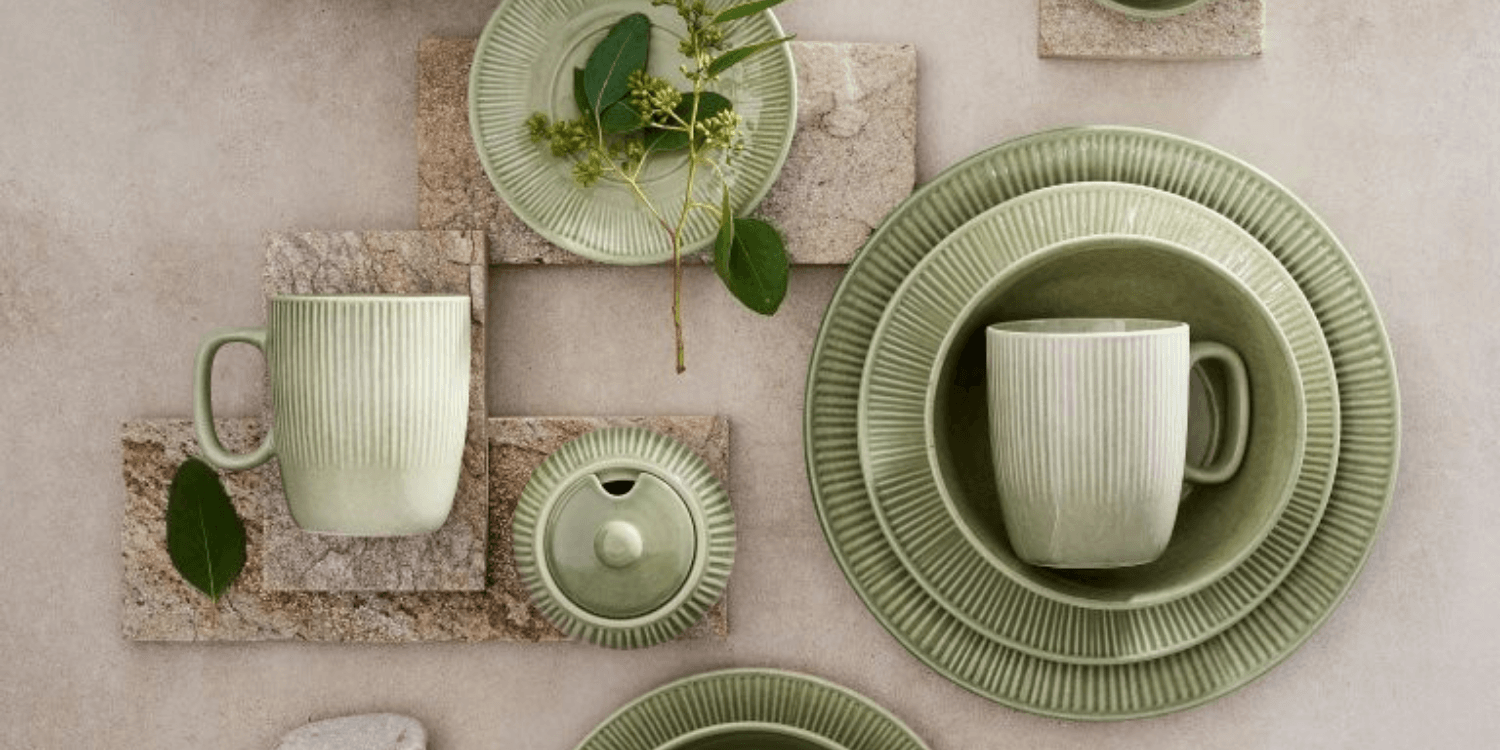
In 2026, we are moving away from sterile, raw arrangements. Instead of cold countertops and empty spaces, we choose emotional design. The dining room becomes a small ecosystem where everything matters: the texture of the plate, the scent of fresh herbs, the light reflecting off the glass.
The immersive dining trend consists of building an atmosphere with all the senses. It is not just about aesthetics, but also touch, smell, and acoustics.
How to achieve this?
Sage Green is the color of balance. It combines the freshness of nature with the elegance of modern interiors. It is not flashy, it does not dominate, but instead creates a background that calms and encourages conversation.
Research in the field of color psychology shows that greens with a muted tone lower stress levels, promote focus, strengthen the sense of security, and build an atmosphere of closeness. Therefore, sage tableware fits perfectly into the slow living trend.
Sage Green pairs perfectly with:
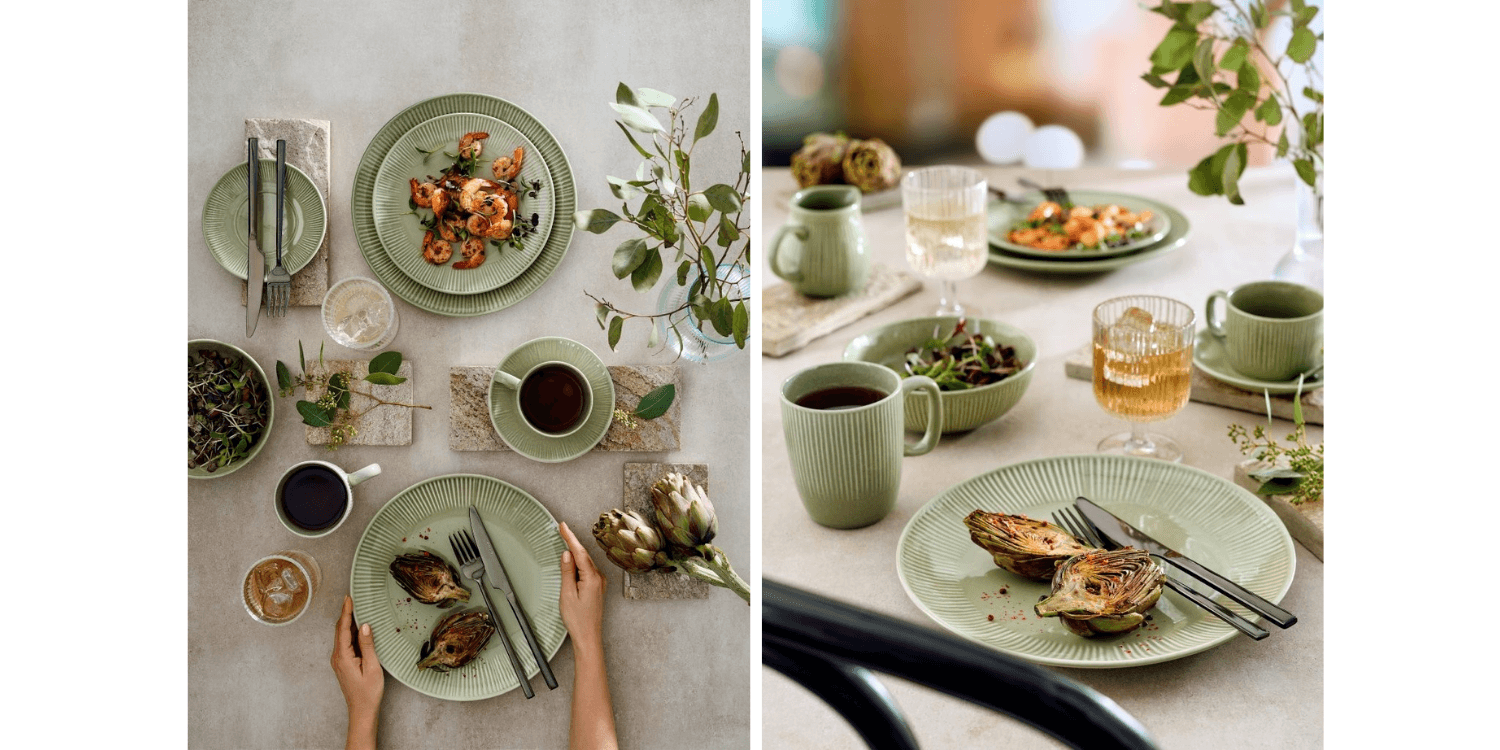
The color of the plate really matters, and in 2026, we know this for sure. Sage green is not a random choice, but a conscious backdrop for dishes that are meant to delight not only with taste but also with appearance. This shade acts like a subtle picture frame: it does not compete with the dish but highlights it. Thanks to this, the composition on the plate becomes more expressive, and the entire table gains an elegant, refined character.
Sage harmonizes particularly well with intense food colors. Pink shrimp, grilled salmon, or other seafood gain freshness and lightness when served on a toned-down, green background. A similar effect is achieved by contrast with roasted vegetables: the deep shade of beetroot, caramelized pumpkin, or golden carrots create a striking composition that looks almost like a culinary work of art. The green of asparagus or peas harmonizes beautifully with the plate, building a coherent, natural aesthetic in the spirit of Bio-Design.
One cannot forget about the details. Purple sprouts, microgreens, or delicate herbs added just before serving introduce a modern, restaurant-like accent. Desserts with forest fruits like raspberries, blueberries, or currants look fresh and elegant on sage porcelain, without an over-the-top effect. It is in this simplicity that the strength of the 2026 trend lies.
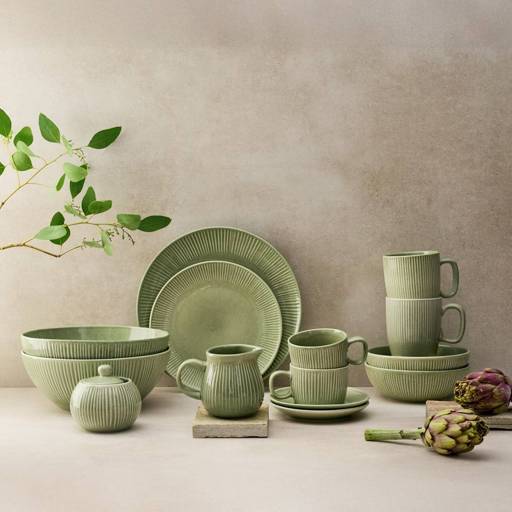
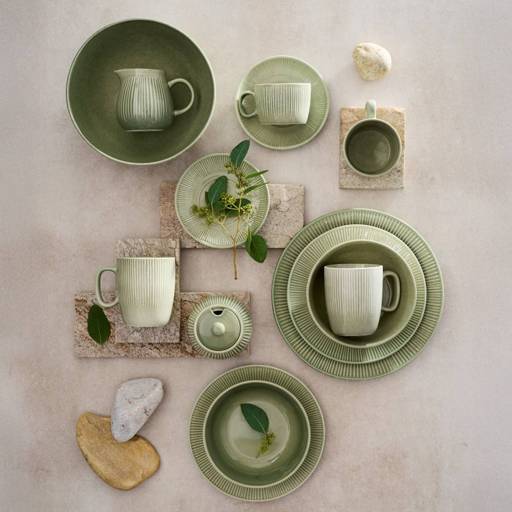
It is also worth paying attention to the form of the vessels themselves. Fluted plate edges act like a natural border that creates a subtle "frame effect," focusing the eye on the center of the composition. Thanks to this, even a simple dish gains depth and three-dimensionality. In practice, this means you don't have to overdo the dish decoration. A thoughtful arrangement of ingredients, leaving a bit of "breathing room" on the plate, and using the structure of the porcelain as a compositional element is enough.
The surreal soirees trend encourages a bit of artistic freedom, but in a controlled way. Instead of classic flower bouquets, vegetables and herbs are increasingly appearing on the table as decorative elements. Artichokes arranged loosely between plates, rosemary sprigs tied with linen string at the napkin, or delicate eucalyptus spread along the table create a natural, organic setting.
Such an arrangement not only looks impressive but also engages the senses. The subtle scent of herbs, the raw texture of vegetables, and the softness of linen build an experience that fits into the idea of immersive dining. The table ceases to be just a place for serving a meal and becomes a space for stories about nature, seasonality, and a conscious lifestyle.
In 2026, food styling is not about over-decorating the plate. It's about balance. About letting the sage color, the structure of the porcelain, and natural accessories work together with the food. That's when the table begins to "breathe," and every meal turns into a small, aesthetic celebration!
Does sage tableware fit a small dining room?
Yes. Its toned-down color optically calms the space and does not overwhelm the interior.
Is fluted porcelain difficult to clean?
No. Modern glazing makes the surface easy to wash and suitable for the dishwasher.
How to choose cutlery for the Bio-Design style?
Matte models work best: black, graphite, or brushed steel.
Can sage be combined with other colors?
Of course. It looks good with beige, off-white, wood, and black.
Is the Biophilic Design trend timeless?
Yes. It is based on nature, and nature never goes out of style.
How to start changing the table to the 2026 style?
From the basics: choose new tableware, then select accessories and textiles.