The best for Easter sand cake

A sand cake on the Easter table is primarily a symbol of celebrating tradition that connects generations, a symbol of prosperity. This type of cake is characterized by a crumbly texture and a golden crust; it is a dessert that finds its place on the table for every occasion – both during festive family gatherings and on a Sunday afternoon. However, preparing the perfect cake that won't be too dry and will delight everyone with its taste is not as simple as it might seem. In this article, we will present a proven recipe that will help you easily master the art of baking the perfect sand cake. You will discover that with a bit of knowledge and a few simple tricks, you can easily prepare this delicious cake, bringing joy to yourself and your loved ones.
How to make a sand cake?

To make a sand cake, you don't need complicated ingredients or techniques. Below is a simple recipe that will help you prepare this traditional cake:

Ingredients:

  • 1 cup of vegetable oil
  • 1/2 cup of sugar
  • 4 large eggs
  • 1.5 cups of wheat flour
  • 1/2 cup of potato starch
  • 2 teaspoons of baking powder
  • Zest of 1 lemon (optional for aroma)

Preparation:

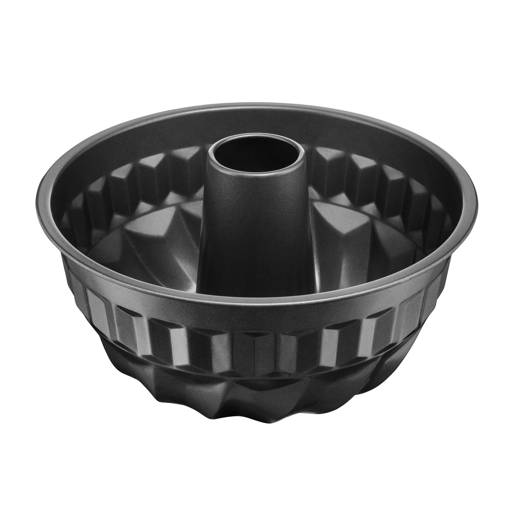
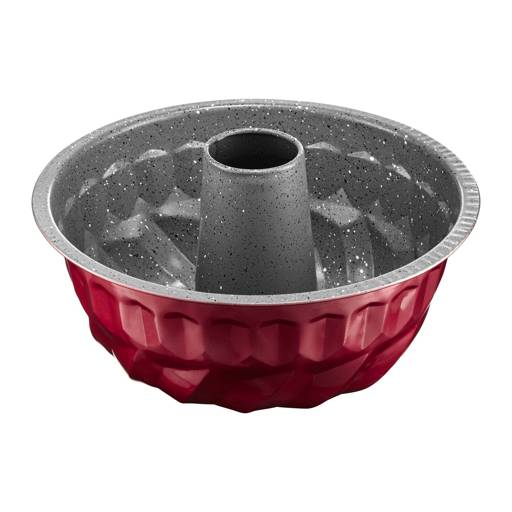
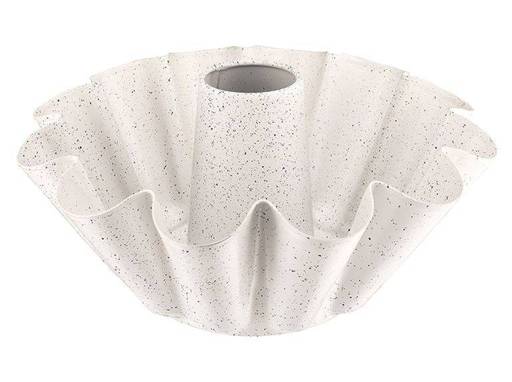
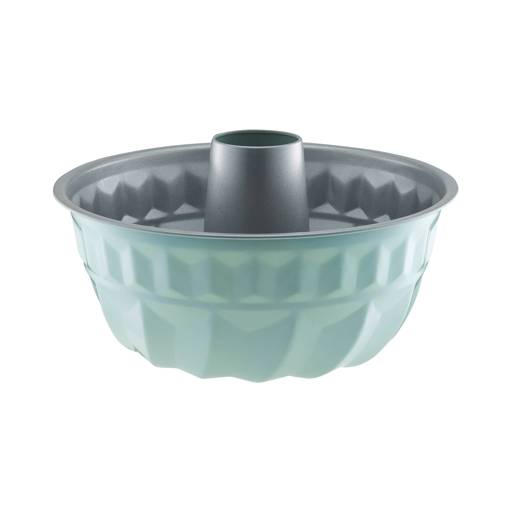
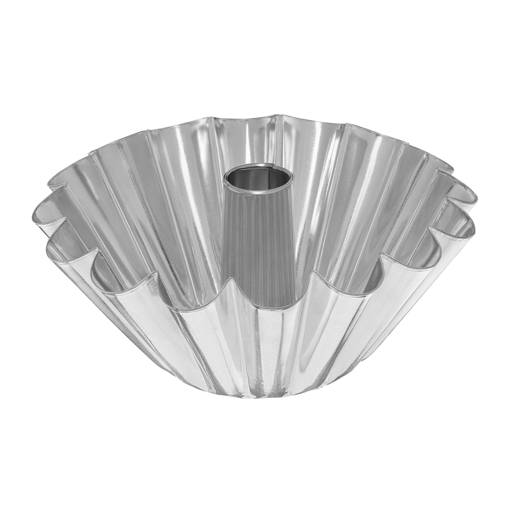
  1. Preheat the oven to 180°C: prepare a bundt cake pan, greasing it with butter and dusting with flour or breadcrumbs so that the cake does not stick.
  2. Beat the butter with sugar until light and fluffy: you can use a mixer set to medium speed.
  3. Add the eggs: one by one, beating thoroughly after each addition (optionally you can add grated lemon zest).
  4. Add flour and baking powder: sift the flour with the baking powder, then gently fold the dry ingredients into the egg mixture. Try to do this in stages to keep the cake as fluffy as possible.
  5. Transfer to the pan: pour the batter into the prepared pan.
  6. Bake in the preheated oven for about 45-60 minutes: until the cake is golden and a dry stick inserted into the cake comes out clean.
  7. Cool: after baking, leave the cake in the pan for about 10 minutes, then gently remove and cool on a wire rack.

Decorating:

  1. Preparing the icing: in a small bowl, mix powdered sugar with a few tablespoons of lemon juice or warm water. Mix until you get a smooth and shiny consistency that is thick enough not to run off the cake too quickly, but at the same time fluid enough to spread easily over the top of the cake.
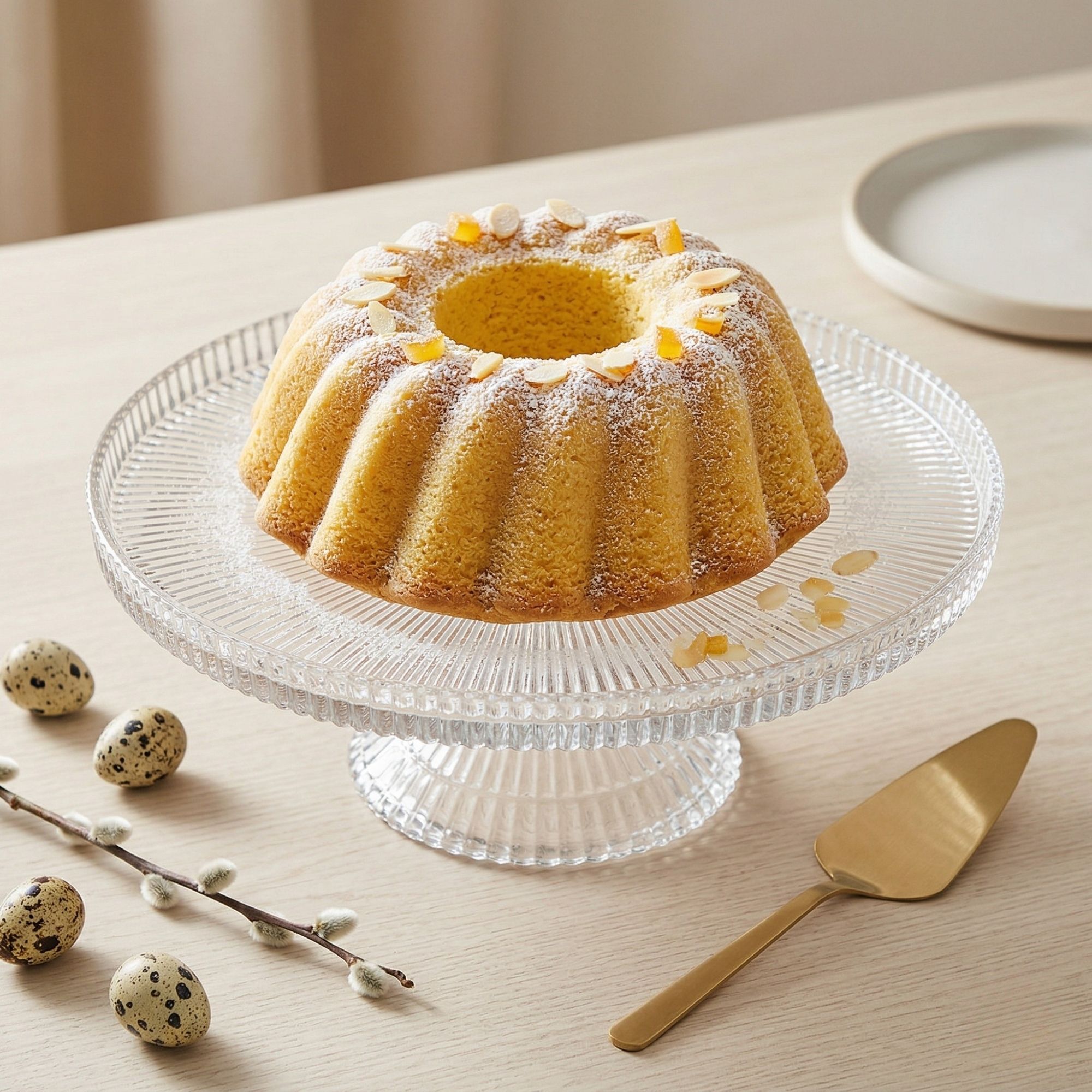
  2. Applying the icing: when the cake is completely cooled, place it on a plate or cake stand, on which it will be served. Gently spread the icing over the top of the cake with a spoon, letting it flow naturally down the sides. You don't have to cover the whole cake evenly; some parts may have more icing and others less, which will add a natural character to the decoration.

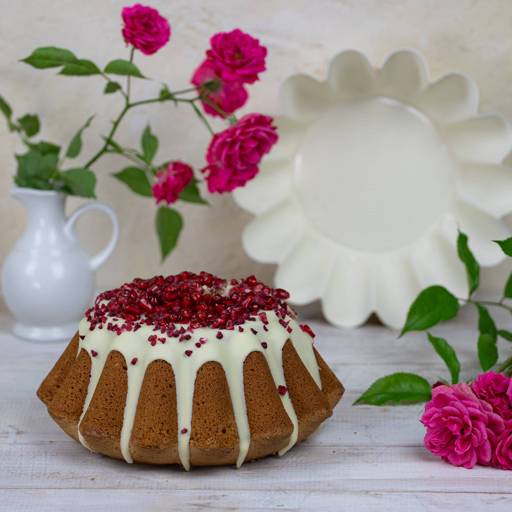
  3. Adding almond flakes: before the icing begins to set, sprinkle the top of the cake with almond flakes. You can use whole or chopped almonds, depending on the preferred effect. Almond flakes will not only add crunch and flavor but will also become a beautiful decoration.
  4. Finishing the decoration: leave the cake for a few minutes for the icing to set slightly. This will help the almond flakes adhere better to the top of the cake and prevent them from sliding off during slicing.

Decoration with icing and almond flakes is simple but effective. It adds charm to the cake and makes it not only a delicious but also a beautiful element of the holiday table or a special occasion.

How to make a sand cake moist?

Using potato starch and oil in a sand cake recipe can actually contribute to increasing its moisture. Potato starch tends to retain water, which helps keep the cake moist longer than traditional recipes using only wheat flour. Oil adds moisture to the batter and ensures the cake is not dry and is softer compared to versions prepared with butter. Oil does not harden at lower temperatures, which contributes to longer preservation of the cake's freshness and moisture.

How to make a fluffy sand cake?

To achieve a fluffy sand cake, focus on several key aspects of preparation:

  • ingredients at room temperature: make sure all ingredients, such as butter, eggs, and possibly milk, are at room temperature. This will make them easier to combine and will affect the structure of the cake.
  • adding eggs: add eggs one at a time, beating thoroughly after each addition. This will allow the eggs to be thoroughly absorbed by the mass, adding more air to the batter.
  • careful addition of dry ingredients: after adding the eggs, gently, preferably using a sieve, pour in the dry ingredients (e.g., flour with baking powder). Mix gently with a spatula or at the lowest speed of the mixer, only until the ingredients are combined. Over-mixing can cause loss of air and make the cake heavy.
  • baking: the oven should be well preheated before placing the cake tin inside. Do not open the oven during baking to avoid the cake collapsing.
  • cooling: after baking, let the cake rest in the tin for a moment, then gently remove it and place it on a wire rack to cool completely. Rapid temperature changes can affect the structure of the cake.

Focusing on these aspects will help you bake a sand cake that will be not only delicious but also wonderfully fluffy.

How long can a sand cake stand?

A sand cake can stay fresh for different amounts of time, depending on the ingredients, storage method, and environmental conditions. Typically, if stored in the refrigerator, also in an airtight container, a sand cake can stay fresh for about 7 days. However, keep in mind that cold conditions can affect the texture of the cake, making it more dense. If you choose to store it on the kitchen counter in an airtight container to prevent drying and air access, it can maintain good taste and texture for 3 to 5 days. It is important to check the cake for any signs of spoilage, such as an unpleasant smell or mold, before consumption, especially if it has been stored longer than recommended.

Why do we make a bundt cake for Easter?

Baking a sand cake for Easter has roots in tradition and religious symbolism, signifying new life and resurrection. It is also a way to celebrate family traditions and solemnly highlight the festive table. The Easter cake combines spring flavors and serves as an expression of hospitality, encouraging the sharing of joy with loved ones.