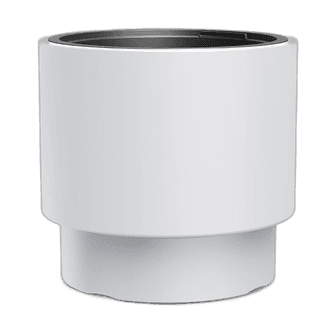
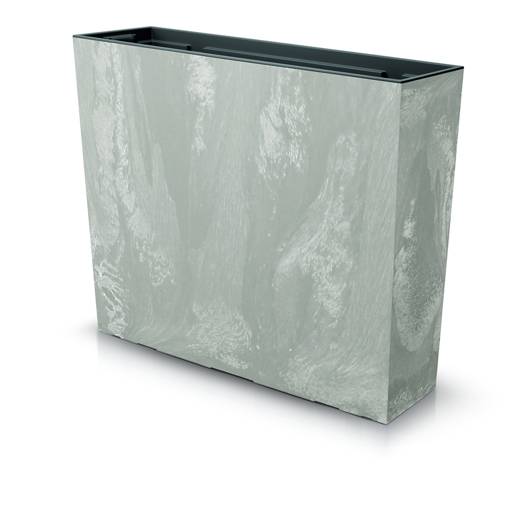
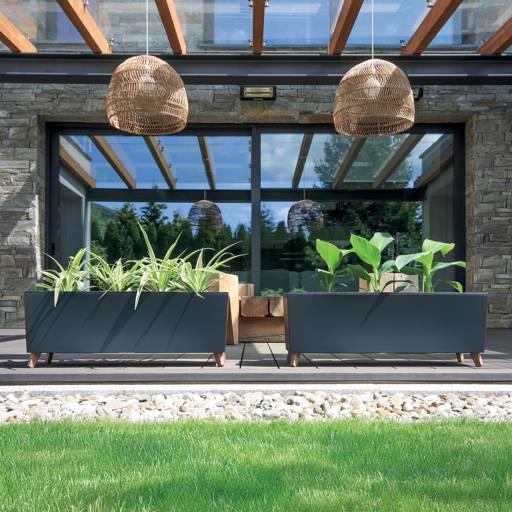
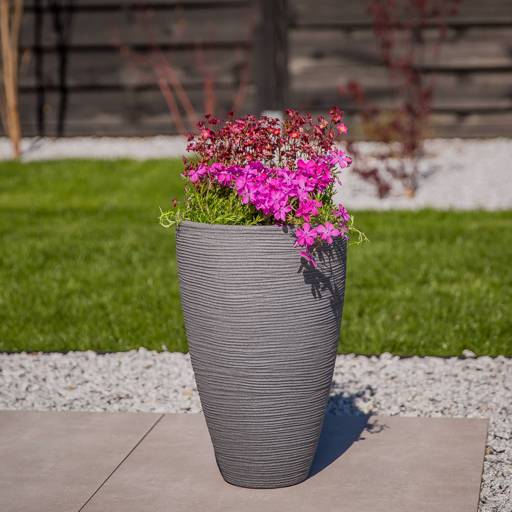
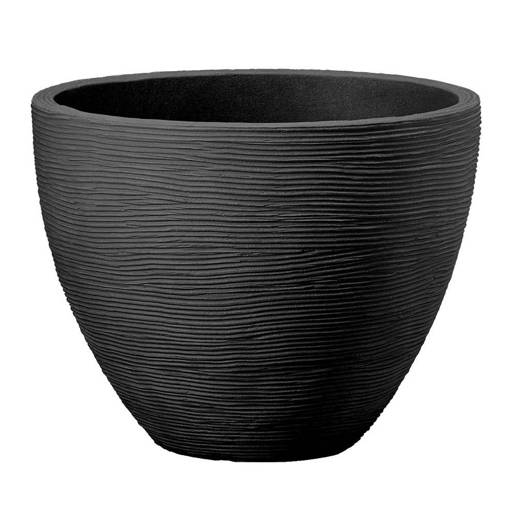
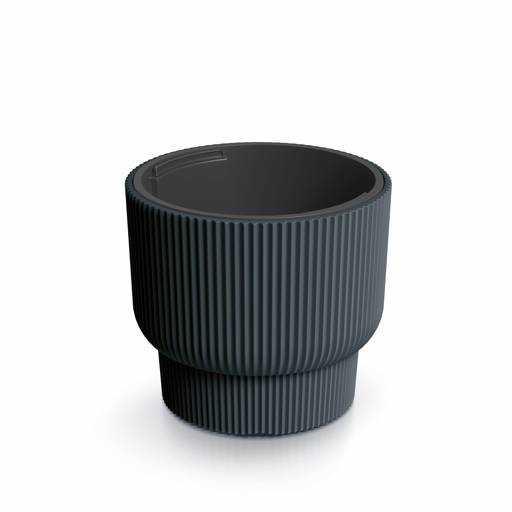
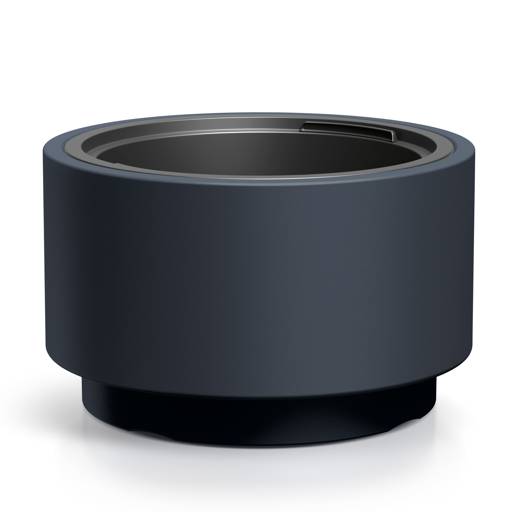
Outdoor space in the form of a terrace or balcony is very often an extension of our houses and apartments, which is why the role of its arrangement is gaining importance. One of the key elements in creating a friendly, aesthetically pleasing, and functional outdoor relaxation area are garden pots. They are the ones that can completely transform the character of a place, giving it a unique character, warmth, and style. Choosing the right plants for pots is just as important as the choice of these decorative elements themselves. It is the plants that are the "soul" of the pots, giving them life and character. So what should you plant in them and how to create the perfect composition, and then take care of it? Check it out!
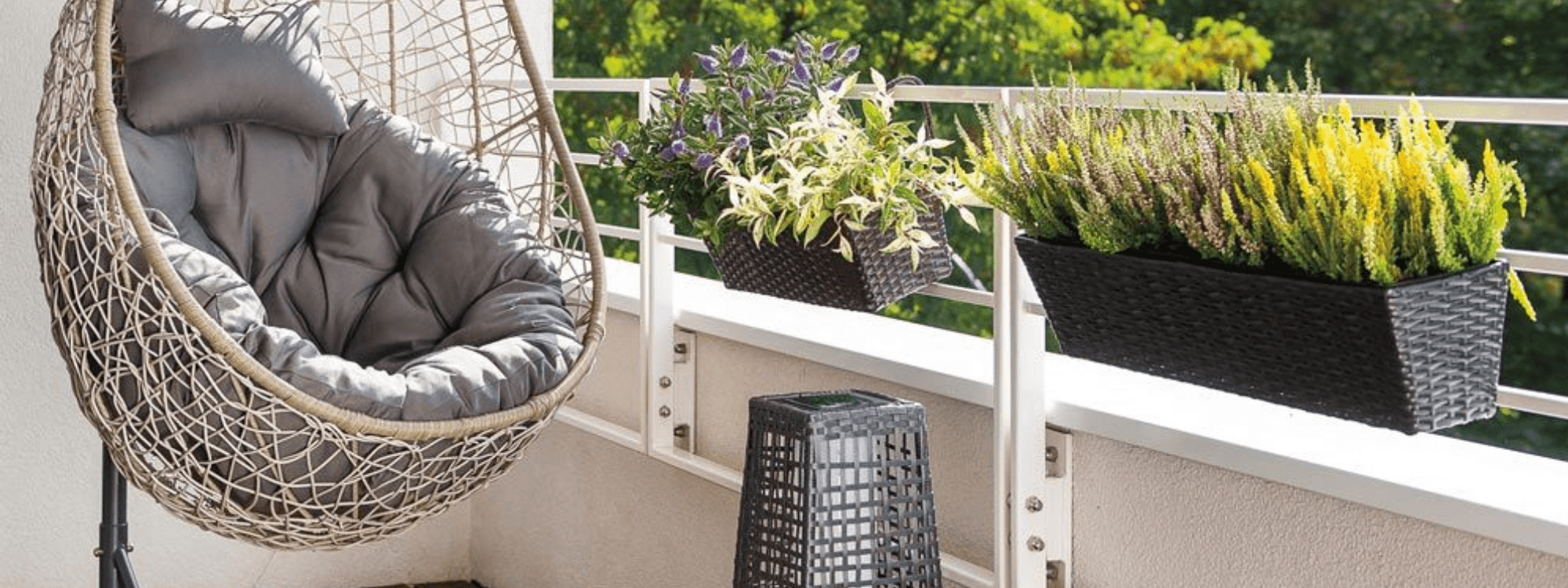
The choice of flowers for garden pots depends on many factors, such as climatic conditions, sunlight, plant water requirements, as well as personal aesthetic preferences. Below we present several popular varieties that work great in various pot sizes and can be used to create interesting decorative compositions:
Remember that success in growing flowers in pots also depends on the appropriate selection of soil, regular watering and fertilization, as well as ensuring proper drainage in the pots. When choosing plants, it is always worth paying attention to their individual needs and the conditions we can provide them in our garden.
Drainage in pots is crucial for providing plants with the right conditions for growth, as it allows excess water to drain away, which prevents root rot. A layer of material that promotes water drainage should be placed at the bottom of the pot. This can be:
This layer should be about 2-5 cm high, depending on the size of the pot - only then do we pour in the soil and proceed to plant the plants.
Creating plant compositions in large garden planters is an art that, in reality, does not have to be complicated at all. Regardless of whether we have a vast garden, a small terrace, or a balcony at our disposal, properly selected plants can completely transform the atmosphere of a place, making it cozier and more friendly. We do not have to limit ourselves to trees or large shrubs – there are many smaller-sized plants that will work perfectly in large planters, creating impressive compositions without the need for extensive space. Large planters offer unlimited arrangement possibilities, allowing for experimentation with different types of plants, from perennials and ornamental grasses to seasonal plants, herbs, and succulents. The key to success is selecting plants not only for their aesthetic appeal but also for their requirements regarding position, soil, and irrigation.
Choosing perennials for large planters allows for the creation of multi-layered, dynamic arrangements that change their appearance with the passing seasons. Lavender with its enchanting scent and beautiful purple flowers, will not only enliven the space but also attract beneficial insects. Sage, in turn, will offer long-lasting flowering and is available in many shades, from pastel blues to deep purples.
Ornamental grasses, such as Miscanthus or Pennisetum, add texture and movement to garden compositions. Their fluffy inflorescences and changing leaf colors throughout the season are not only beautiful but also easy to care for.
Garden planters are also a great place to grow herbs, which are not only practical but also beautiful. Basil, mint, rosemary or thyme will not only enrich home meals but also introduce an aromatic scent to the garden or balcony. Their diverse textures and shades of green will additionally diversify any composition.
For those who prefer plants that are less demanding in terms of care, an excellent choice will be succulents and crassulaceous plants. They have diverse forms and colors, from light green to purple and silvery shades. They are extremely drought-resistant, which makes them an ideal choice for the forgetful or those who cannot devote too much time to plant care.
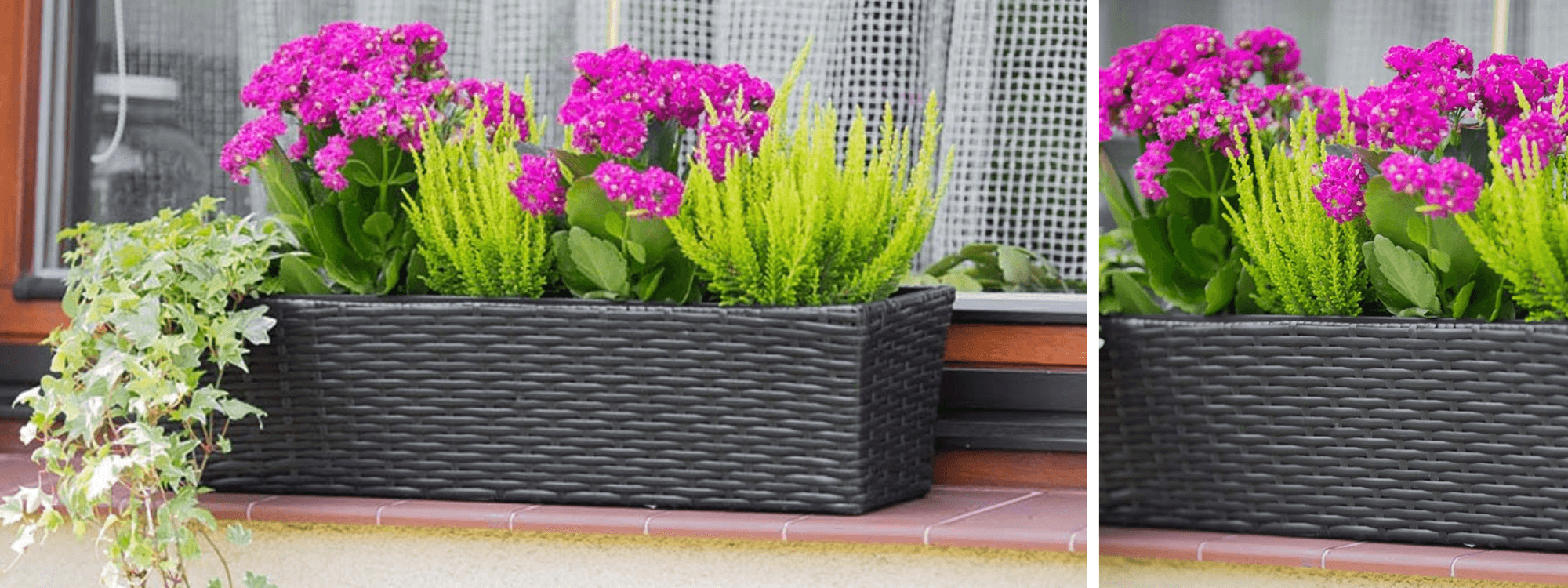
Caring for plants in pots requires attention, but proper care will ensure healthy growth and a beautiful appearance. Here are some tips on the basic aspects of care:
Remember that regular observation and care are key to keeping potted plants in good condition. Over time, you will learn to recognize the needs of your plants, allowing you to enjoy their beauty for a long time!