When you lack a garden but don't want to give up your own fresh vegetables – a vegetable garden on the balcony becomes a bullseye. It is not only a practical but also an enjoyable hobby that will allow you to take care of your health, the environment, and your home budget. How to start? See below!

A balcony vegetable garden is an excellent response to the growing needs of living in harmony with nature, a healthy lifestyle, and the search for daily balance. Even the smallest space in an apartment block can turn into a green sanctuary that not only decorates but also provides fresh, aromatic vegetables and herbs almost all year round. By growing plants yourself, you gain full control over what goes on your plate – without chemicals, pesticides, or artificial fertilizers. It is also a great way to reduce expenses, as many products you previously bought regularly in the store can now be picked straight from the pot. Daily care for plants, observing their growth, and harvesting bring immense satisfaction and help to calm down, which for many people becomes a form of relaxation and an escape from the city bustle. A balcony garden is not only a practical space for cultivation but also a place that promotes rest, spending time outdoors, and daily contact with nature – even in the middle of the city.
Choosing the right plants for a balcony vegetable garden is the key to success, especially if you are just starting your adventure with urban gardening. It is worth choosing species that are easy to grow and do not require specialized knowledge or a large space. Balcony conditions, although limited, can be surprisingly favorable – all you need is proper sunlight, well-chosen pots, and regular care. Below we present the plants that work best – they not only look beautiful but also provide quick and abundant yields. The best choices are:

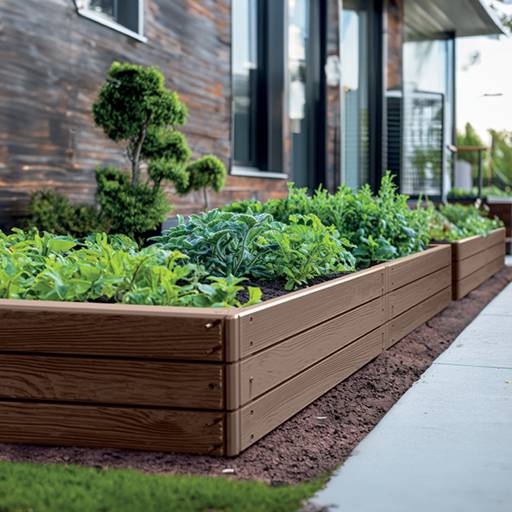
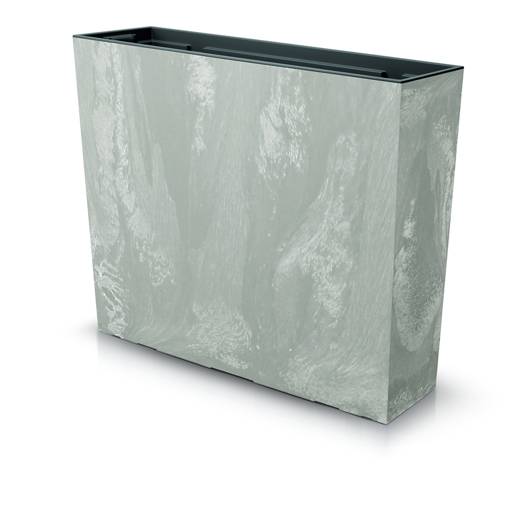
This is an excellent solution for people planning a more extensive balcony vegetable garden. Thanks to their capacity, they allow for planting several plants at once or growing vegetables that require more space, such as zucchini, peppers, or larger varieties of tomatoes. Their massive construction makes them stable, resistant to being tipped over by the wind, and they hold moisture in the substrate perfectly.
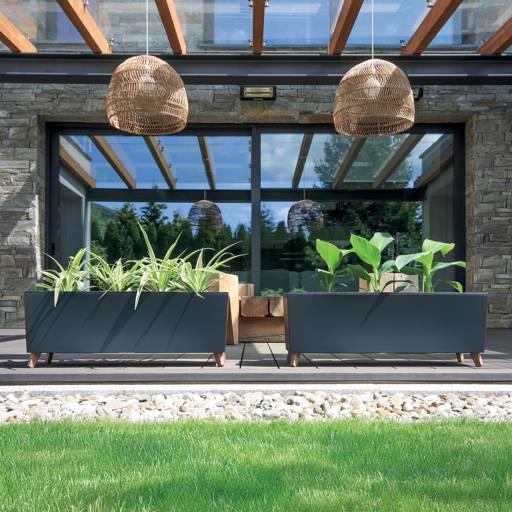
They are ideal for railings and narrow spaces. Thanks to their length, they enable the cultivation of several species of herbs or lettuces in one row, which not only saves space but also facilitates watering and care. In modern versions, you will find models with an excess water drainage system and handles for easy mounting.
This is an ideal solution for busy people – they ensure proper soil moisture and reduce the frequency of watering. Their special design, often based on a double bottom with a water reservoir, allows the plant to take up the required amount of moisture itself. They work great for growing lettuce, radishes, or parsley, where even soil hydration is key.
With supports and a deep bottom, it enables the healthy development of tomato roots. Its design supports vertical growth and facilitates harvesting, as well as minimizing the risk of breaking stems. The set often includes bamboo or plastic poles that help the plant maintain stability during fruit ripening.
This is a great way to maximize the vertical space of the balcony. You can grow both herbs and small vegetables in them, as well as strawberries, which hang impressively from the sides of the pot. Such a solution not only saves space but also gives the balcony arrangement a unique vertical garden character.
They enable year-round cultivation – even in winter! Thanks to the closable covers and solid construction, they provide plants with optimal temperature and humidity, especially for heat-loving species such as peppers, basil, or arugula. They are also an excellent solution for people who want to start the season earlier by sowing seeds as early as March or conducting their own seedlings.
Before you start sowing seeds and planting seedlings, it is worth taking care of proper balcony preparation, which will create favorable conditions for plants. A key role is played by sunlight – most vegetables need at least 5–6 hours of direct daylight per day. Therefore, south- or west-facing balconies, where the sun operates the longest, will be best. If your balcony is less sunny, choose plants that tolerate partial shade, such as parsley, arugula, or mint.
Another important element are balcony screens, which will protect delicate plants from strong gusts and temperature fluctuations. Shading nets, transparent plexiglass sheets, or bamboo mats, which additionally introduce a cozy atmosphere, will work great. Thanks to them, your crops will be less exposed to mechanical damage, drying out, or stunted growth.
Don't forget about supports for climbing plants. If you plan to grow tomatoes, sugar snap peas, cucumbers, or green beans, poles, trellises, or special pergolas will be necessary to keep the plants upright, provide better access to light, and facilitate harvesting.
The basis of every successful cultivation, however, is choosing the right substrate. Vegetables need light, permeable soil rich in nutrients. A ready-made vegetable mix with the addition of natural compost, which improves the soil structure and increases its fertility, will be an ideal choice. It is also worth taking care of a drainage layer at the bottom of the pot – expanded clay or fine gravel, which will prevent water stagnation and root rot.
Regular care is the key to healthy, lush, and abundantly yielding plants. The basis is watering, which should be performed systematically – preferably early in the morning or late in the evening, when the sun does not burn the leaves and the soil absorbs water better. Avoid overwatering – most balcony plants tolerate a temporary lack of water better than an excess, which leads to root rot.
No less important is fertilization, which provides plants with essential micro- and macroelements for growth. Natural organic fertilizers, such as biohumus, granulated manure, or liquid compost, work best. In the case of herbs, it is worth limiting fertilization so as not to negatively affect their aroma.
Pest protection in balcony conditions can be much easier than in the garden, but it cannot be ignored. A natural solution is to plant aromatic herbs next to vegetables, such as mint, lavender, or marigold, which act as a deterrent to aphids, whiteflies, and other uninvited guests.
Don't forget about regular pruning and repotting of plants. Removing withered leaves not only improves the appearance of the crops but also prevents the development of fungal diseases. When roots start to outgrow the pot or the plant clearly stops developing – it's a sign that it's time for a larger container and fresh substrate. Thanks to this, your balcony vegetables and herbs will have space for further, healthy growth.
Although a balcony vegetable garden is a pleasant and satisfying form of gardening, it is worth learning from others' mistakes to avoid disappointment and achieve the best results. Here are the most common traps that beginner gardeners fall into – and proven ways to avoid them.
Which vegetables are the easiest to grow in pots?
The easiest to grow in pots are lettuce, arugula, chives, radishes, and cherry tomatoes.
What can be planted on the balcony in February?
In February, cold-resistant leafy vegetables such as arugula, spinach, and lamb's lettuce can be sown on the balcony – preferably in a mini greenhouse or a sheltered box.
Which vegetables are afraid of frost?
Thermophilic vegetables such as tomatoes, peppers, cucumbers, zucchini, and green beans are afraid of frost – freezing can completely destroy them.
What grows quickly on the balcony?
Arugula, radishes, butterhead lettuce, chives, and dill grow quickly on the balcony – they are ready for harvest as early as 3–4 weeks after sowing.