In February, when winter slowly gives way to the spring rays of the sun, the thoughts of many gardeners begin to focus on preparations for the upcoming growing season. This is the best time to consider setting up a garden greenhouse, which can completely change the way you grow and care for plants. A greenhouse not only extends the growing season but also enables the cultivation of more demanding plant species that need protection from variable weather conditions. Among the available material options, greenhouses made of polycarbonate stand out against traditional glass greenhouses, offering both durability and energy efficiency. We will check why it is worth considering the purchase of a polycarbonate greenhouse, how to properly prepare the ground for it, what the key aspects of its location are, and we will also discuss how to care for and maintain such a greenhouse so that it serves for many years.
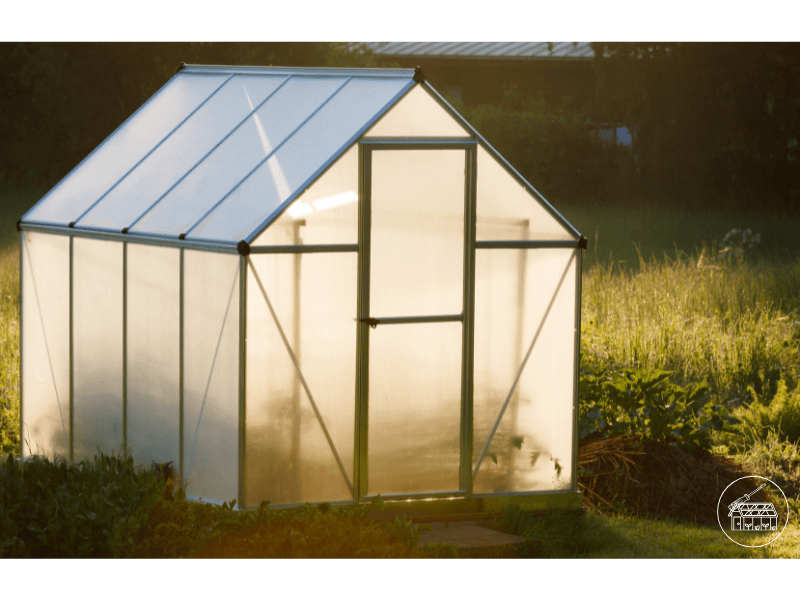
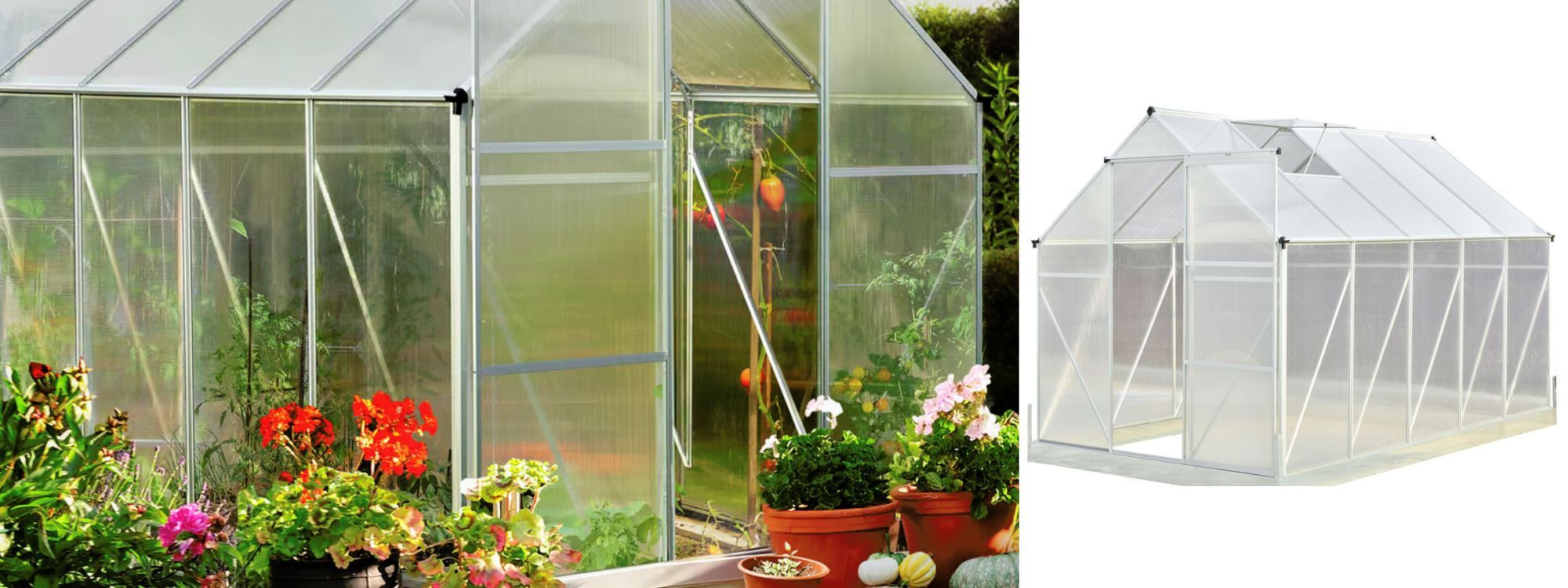
The best garden greenhouse for our home garden is a polycarbonate greenhouse, as it has features that will ensure maximum functionality and satisfaction with its use. When making your choice, pay attention to:
When choosing a greenhouse, consider which of these features are most important to you and how they might affect your growing experience. A good match of greenhouse features to your needs and expectations is the key to achieving satisfaction and success in gardening.
When making a decision regarding the purchase of a foil tunnel or a greenhouse, it is crucial to understand their fundamental differences and how these differences affect crops. A foil tunnel offers flexibility and is more affordable, making it an attractive choice for those starting their gardening adventure or looking for more temporary solutions. A greenhouse is a significantly more durable structure, providing better protection for plants over a long period, whereas a tunnel can be damaged. Its robustness makes it more resistant to adverse weather conditions and also offers better control over the internal environment. This makes it the preferred choice for more experienced gardeners or those planning long-term cultivation.
Polycarbonate is a material much more resistant to damage than traditional glass, as it exhibits higher resistance to potential impacts, which is particularly important in outdoor conditions where factors such as strong wind, hail, or accidental impacts may occur. Additionally, polycarbonate provides better thermal insulation than glass, which is key to maintaining the optimal temperature inside the greenhouse, regardless of the prevailing weather conditions outside. What is more, greenhouses made of polycarbonate are lighter than glass ones, which facilitates their assembly and relocation. Thanks to this, even people without experience in constructing greenhouses can handle their installation independently.
Placing a garden greenhouse in the sun is important, but it does not necessarily have to stand in full sunlight all day long. The ideal location depends on a number of factors: including the type of plants being grown. A greenhouse should receive a sufficient amount of sunlight, which is essential for the growth of most plants, but excessive exposure, especially during the hot summer months, may require the use of shading or appropriate ventilation. This should also be balanced by taking into account the specific requirements of the plants being grown, which may vary depending on their species. As a result, although access to the sun is important, it is equally crucial to find a location that will provide plants with the right conditions for growth and development.
Replacing the soil in a greenhouse is recommended, although the frequency of this action depends on several factors. Soil in a greenhouse, like in any other growing environment, can deplete its nutrient resources after a few seasons. Furthermore, in the closed environment of a greenhouse, plant diseases and soil pests can develop more quickly, which can negatively affect the health and yield of crops. Regular soil replacement every 2 or 3 years helps in ensuring optimal conditions for plants, providing them with essential nutrients and reducing the risk of diseases and/or pests. An alternative to full soil replacement can be its supplementation and enrichment with nutritional values, e.g., by adding compost or organic fertilizers. Ultimately, the decision to replace the soil in a greenhouse should be based on observing the condition of the plants and soil, as well as on individual goals and cultivation methods. Regular assessment and maintenance of the soil is key to maintaining healthy and productive crops in the greenhouse.
The optimal thickness of the soil layer in a greenhouse depends on several factors, including the type of plants grown and their root requirements, as well as the characteristics of the greenhouse itself. Usually, for most plants, a soil layer with a depth of 20-30 cm is sufficient to provide adequate space for the development of the root system and to maintain an appropriate level of nutrients. In the case of plants with a shallow root system, such as lettuce, even a thinner layer of soil may be sufficient. On the other hand, plants with a deep root system, such as some root vegetables, may require a thicker layer of soil, sometimes even up to 40-50 cm. Ultimately, the amount of soil in the greenhouse should be adapted to the specific needs of the plants you plan to grow there and to the conditions prevailing in the specific growing environment.
Early spring is the ideal time because it allows the growing season to start immediately after the construction work is completed. A greenhouse built in the spring allows for early sowing and plant growth, giving them an advantage before the arrival of summer. Autumn is also a good time, especially after the end of the summer harvest season, as it allows you to prepare for winter crops or an early start in the next season. In regions with a milder climate, the possibilities are more flexible, and greenhouse construction can be planned almost all year round. It is important to consider the specific needs of the plants you want to grow and to adapt the schedule of work related to the construction and preparation of the greenhouse to them. Ultimately, careful planning and consideration of all these factors will allow for maximizing the potential of the greenhouse, enabling effective cultivation throughout the year.
The lifespan of a polycarbonate greenhouse depends on several key factors. The quality of the polycarbonate used is of fundamental importance here - higher quality materials are more resistant to yellowing, cracking, and other damage. Additionally, the environmental conditions in which the greenhouse is located, such as extreme temperatures, strong winds, or intense sunlight, can affect its durability. Regular maintenance and care, including cleaning, checking the condition of the structure, and ensuring tightness, are essential to keep the greenhouse in good condition for as long as possible. Correct assembly and a solid construction also play an important role in ensuring the longevity of the greenhouse.
A garden greenhouse made of polycarbonate is an excellent choice for gardeners due to its durability, resistance to damage, and better thermal insulation compared to traditional glass greenhouses. Replacing the soil in the greenhouse is recommended every few years to provide plants with appropriate nutrients and protection against diseases. The optimal thickness of the soil layer in the greenhouse is about 20-30 cm, however, it may vary depending on the needs of specific plants. As for the location of the greenhouse, although access to sunlight is important, it does not have to stand in full sun all day long. The best time to set up a greenhouse is early spring or autumn, taking into account local climatic conditions and the needs of the plants being grown. Choosing a polycarbonate greenhouse is an investment that combines durability, functionality, and an aesthetic appearance, making it a great solution for every gardener.