








Milk Pots
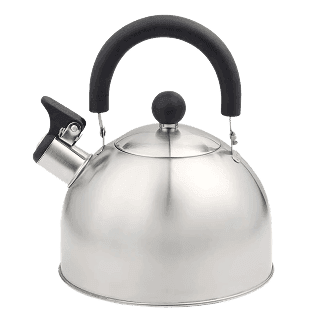
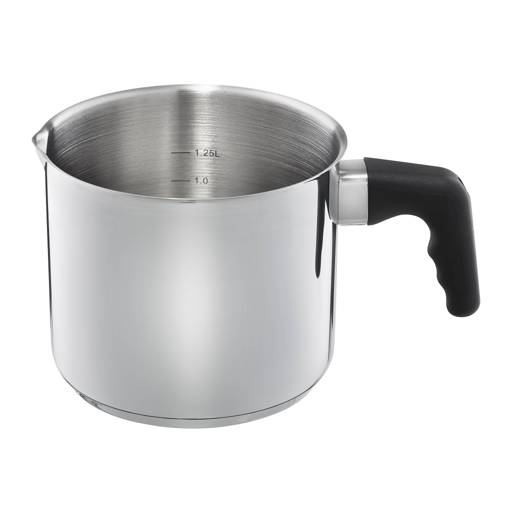
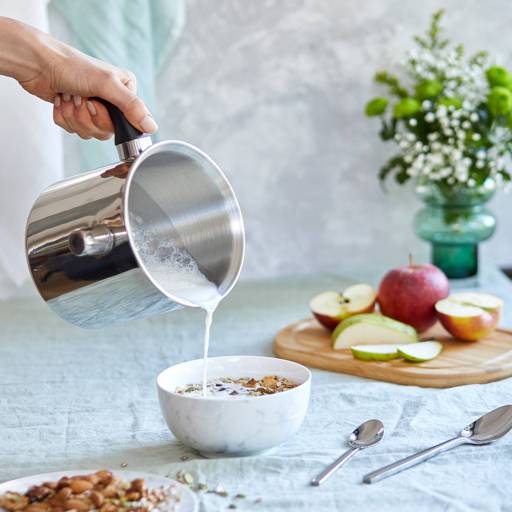
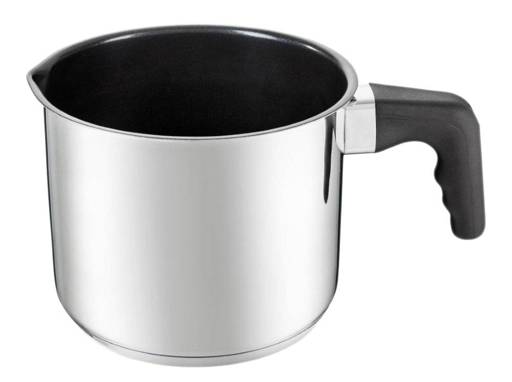
A milk pot is an essential helper for breakfasts, puddings, or homemade cocoa. Its special design ensures even heat distribution, preventing the contents from sticking to the bottom. Thanks to the practical spout and comfortable handle, pouring is precise, clean, and safe. Choose a pot that helps you avoid burnt milk and unnecessary waste!
3
3
3 out of 3
Why is it worth having a milk pot?
A practical milk pot facilitates daily cooking in every kitchen. Below we present its main features that make it a worthwhile purchase:
- Safety and ease of use: most models are designed to prevent milk from spilling. This is very practical, especially since when cooking in an ordinary pot, such situations often occur during pouring, causing us to lose some of the prepared milk and requiring additional cleaning.
- Health: The process of boiling milk helps reduce the number of pathogenic microorganisms, which guarantees its safe consumption, especially for people with weakened immune systems, children, and the elderly.
- Versatility: Milk pots are mainly used for boiling milk, but they can be equally useful for preparing various types of sauces, such as béchamel, vanilla sauce, or hot chocolate and other desserts.
- Saving time and energy: Most models conduct heat efficiently, so milk in a milk pot boils faster, and we use less energy during this process than in an ordinary pot.
- Maintaining cleanliness: most models are dishwasher safe, so we can use them very practically and conveniently every day.
Can you prepare pudding in a milk pot?
Milk pots are designed to facilitate milk preparation and prevent it from burning, which unfortunately often happens when using traditional pots. Most often they have a double bottom, which guarantees even heat distribution and protection against sudden boiling over. For this reason, milk pots are excellent for preparing pudding in them. They are ideal for this, because you can easily control the cooking process, which is extremely important when preparing pudding.