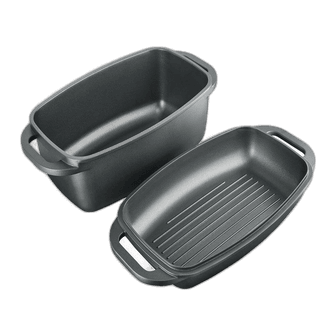
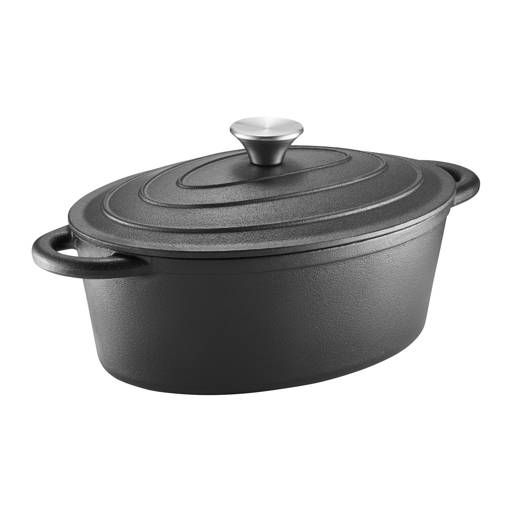
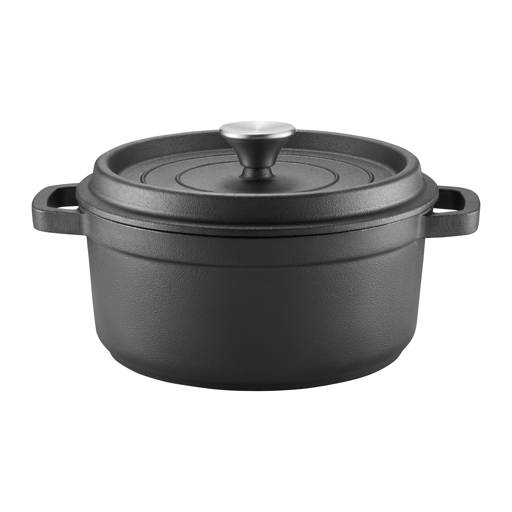
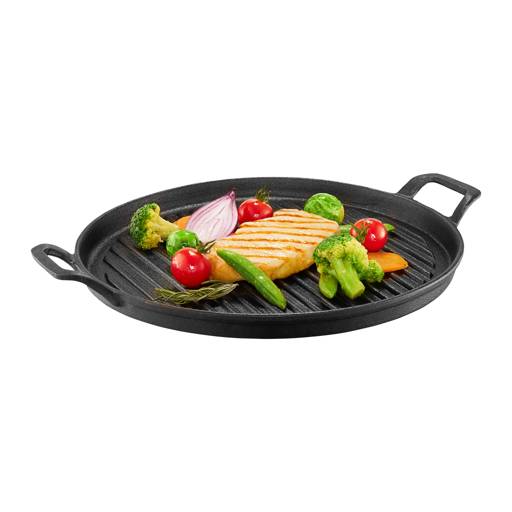
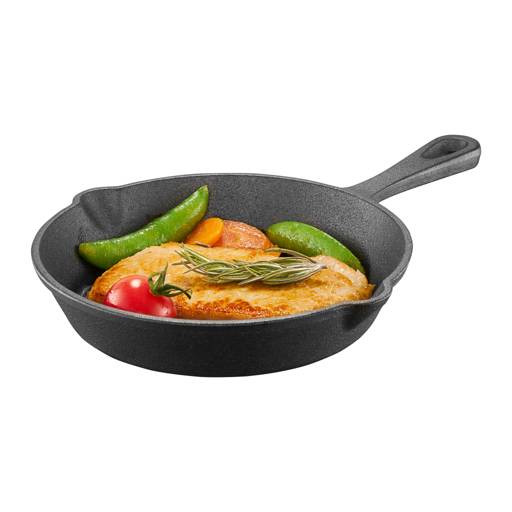
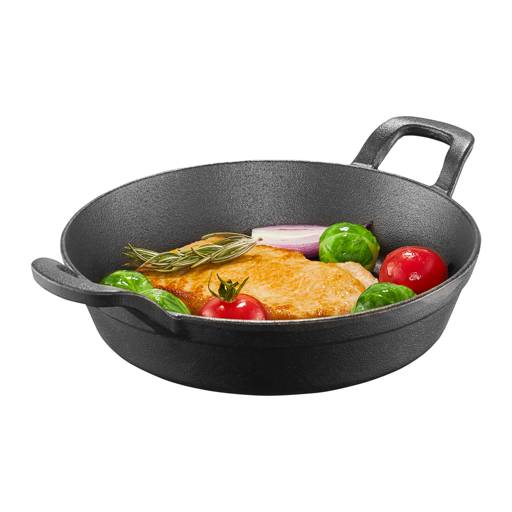
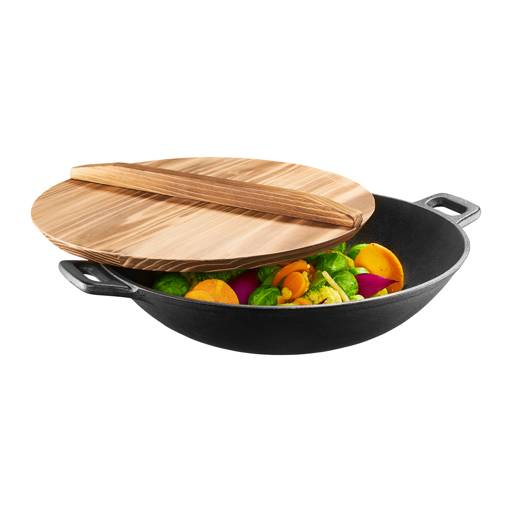
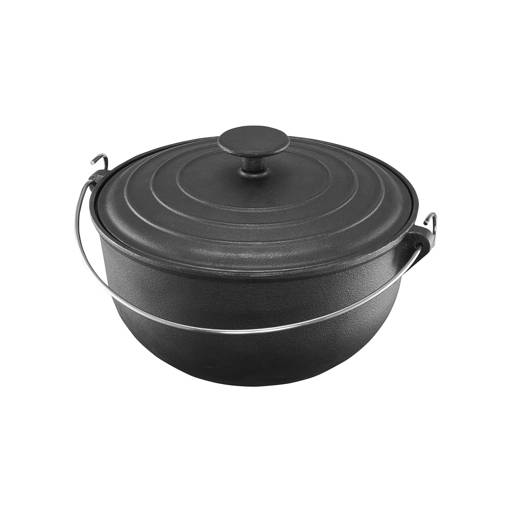
Cast iron pots have enjoyed great recognition in home and professional kitchens for years. These are vessels that not only impress with their appearance, but above all provide exceptional culinary properties, such as even heating, long heat retention, and extraordinary durability. In this article, we will check why cast iron pots are an investment for years and find out how to best use them.
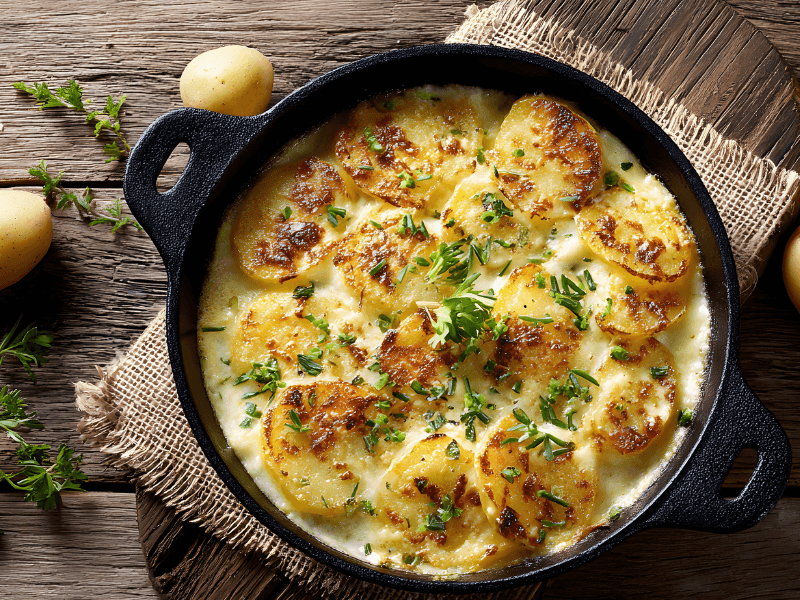
One of the greatest advantages of cast iron pots is their extraordinary durability. These are vessels that, with proper care, can serve even several generations. Unlike many modern pots with delicate coatings, cast iron does not lose its properties over the years. On the contrary, the more often it is used, the better it fulfills its function. This is why many chefs consider cast iron pots a real investment, rather than just a piece of kitchen equipment.
A huge plus of cast iron is also its versatility. In one pot, we can fry a juicy piece of meat, stew vegetables, prepare an aromatic stew, and even bake bread or cake. Such a wide range of applications makes cast iron pots an indispensable tool in both home and professional kitchens. Regardless of whether you are cooking for your family or preparing dishes for guests in a restaurant, one vessel allows you to realize many culinary ideas.
The issue of naturalness cannot be overlooked either. Cast iron pots do not have artificial coatings that could wear off over time or affect the taste of dishes. What's more, during cooking, a small amount of iron can penetrate the food, which naturally enriches the diet. Thanks to this, cast iron pots are not only functional but also health-friendly.
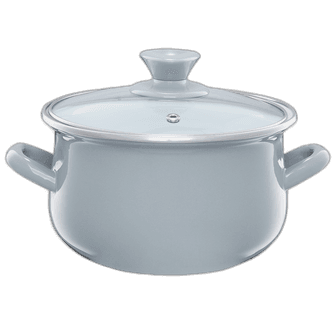
Finally, cast iron is also about aesthetics. Contemporary cast iron pots impress with their design, and are available in both classic, raw versions and in enameled versions in various colors. Thanks to this, you can easily match them to the character of your kitchen. They can become an elegant table decoration, because they do not need to be hidden in a cupboard, as they look beautiful when serving dishes directly from the pot. The combination of solidity, tradition, and modern appearance makes cast iron pots an ideal choice for people who value style and functionality in one.
Cast iron pots are considered one of the most versatile vessels in the kitchen. Thanks to their construction, they heat up evenly and maintain heat for a long time, which makes the dishes prepared in them gain depth of flavor and a unique texture. This is why they are so valued in both traditional and modern kitchens.
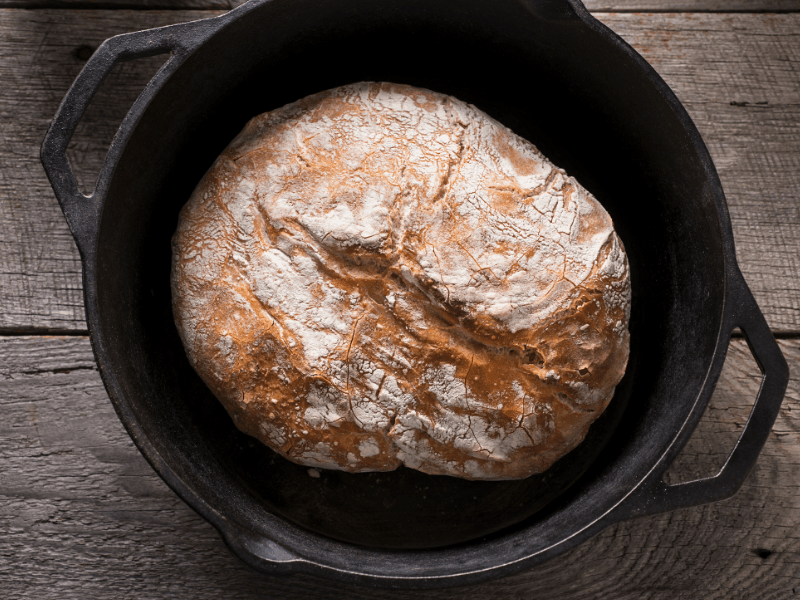
One of the most common uses for cast iron pots is baking bread and cakes. A tightly closed lid allows you to create an effect similar to a steam oven, where the crust becomes crispy and the inside soft and fluffy. This is a method that many home bakers have come to love because it allows them to achieve results similar to those offered by professional ovens. Cast iron also works perfectly for sweet bakes, from simple sponge cakes to aromatic apple pies and brownies.
The second, equally popular application is stewing meat. Thanks to even heating, cast iron allows for slow cooking, which brings out the maximum flavor and aroma from the meat. Beef, lamb, or pork become exceptionally tender, and added vegetables take on a deep, caramelized aftertaste. It is in cast iron pots that it is best to prepare a classic goulash, fricassee, or roast for Sunday dinner.
Cast iron also works great for cooking stews and soups. The heavy walls of the pot maintain the temperature for a long time, thanks to which the dishes slowly "marry" and become fuller in flavor. Hungarian goulash, bogracz, or bean soup with smoked meat are dishes that take on a unique character in a cast iron pot. Importantly, the dishes stay hot for a long time, which allows them to be served straight to the table without the need for reheating.
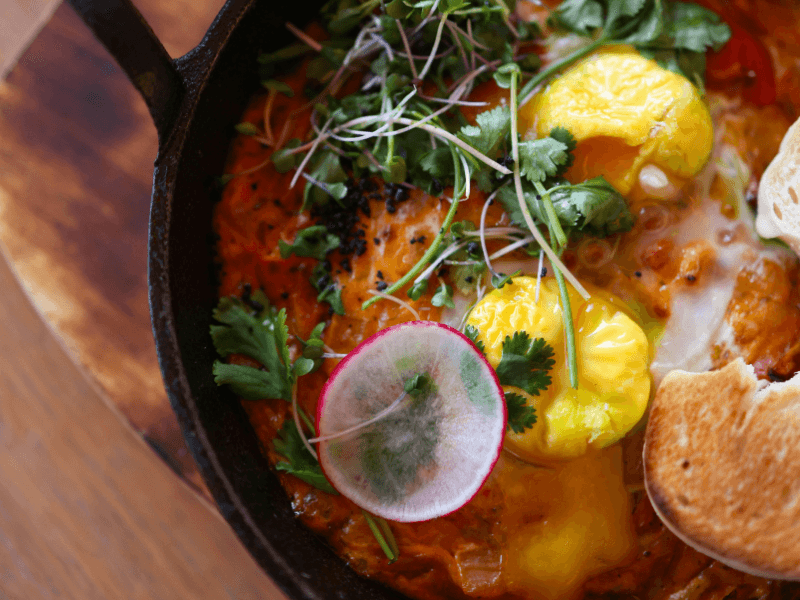
Finally, it is impossible not to mention one-pot dishes. Risotto, lecso, curry, or vegetable stews are great examples of convenient and flavorful cooking. In a cast iron pot, all ingredients cook together, and their aromas combine into a coherent whole. This is an ideal solution for people who value simplicity and fast cooking, but at the same time expect expressive, flavorful dishes.
It is worth preheating the cast iron pot in the oven before putting the bread in it. Sudden contact of the risen dough with the hot pot causes a rapid rise in temperature on the surface of the dough (the so-called "oven spring" effect), which makes the bread rise well and have a crispy crust. Thanks to the heated pot, water vapor stays inside, and the high temperature enables the creation of a characteristic, browned, and crispy crust. Without preheating the pot, the bread may bake less evenly and have a less crispy crust.
Proper care of cast iron pots is the key to ensuring they serve for many years, or even entire generations. Contrary to appearances, taking care of them is not complicated; it only requires a few simple habits.
First and foremost, cast iron pots should be washed by hand. Avoid strong detergents and dishwashers, as aggressive chemicals can damage their structure and, in the case of non-enameled cookware, even wash away the natural protective layer. Warm water and a gentle sponge are perfectly sufficient. If food has stuck to the bottom, it is best to soak the pot and then clean it with a wooden or silicone spatula.
After washing, it is extremely important to dry the pot thoroughly. Cast iron has a tendency to rust, so moisture is its greatest enemy. It is best to simply wipe the vessel dry with a kitchen towel and, if necessary, place it on a low heat for a moment to completely evaporate any remaining water.
Another essential step is regularly seasoning the surface. In the case of raw pots, this is an absolute necessity! A thin layer of vegetable oil applied to a heated surface creates a natural protective coating called a "patina." This makes the pot resistant to sticking and corrosion. Even enameled pots benefit from being lightly wiped with oil from time to time to maintain their shine and provide extra protection.
No less important is also proper storage of cast iron pots. It is best to keep them in a dry place with the lid slightly ajar. This prevents moisture from accumulating inside and protects against the development of unpleasant odors. It is also worth placing a piece of paper towel inside, which will further absorb moisture.
Are cast iron pots suitable for induction cooktops? Yes, cast iron is ferromagnetic, so it works perfectly with induction hobs.
Can I put a cast iron pot in the oven? Of course! This is one of the greatest advantages of cast iron; it withstands high temperatures.
Are cast iron pots heavy? Yes, their mass is greater than that of steel or aluminum pots, but this is exactly what ensures stability and even heating.
How to remove rust from a cast iron pot? Simply wipe the surface with a fine abrasive sponge, wash, dry, and re-oil.
Can cast iron pots be washed in the dishwasher? It is not recommended; chemicals and moisture can damage their surface.
Do cast iron pots affect the taste of food? Yes, cast iron allows for caramelization and enhances the aroma of dishes, especially stews and roasts.
Are cast iron pots healthy?
Yes, cast iron pots are healthy because they do not have artificial coatings and can naturally enrich food with iron.