The vision of cooling off on hot days, playing with family or friends in the comfort of your own garden attracts more and more enthusiasts. Owning a pool in the garden is a dream for many people, which is currently very easy to fulfill; however, for a garden pool to remain a place of relaxation and joy, proper care is essential. Lack of regular care can lead to problems such as water contamination, mechanical damage, or even the need to end the swimming season prematurely. In this article, we will share knowledge on how to effectively care for your pool so that it serves you for many seasons.

Every garden pool owner should remember about its regular care and maintenance, which is an investment in its long-term and safe use. Thanks to systematic actions, such as cleaning, water quality control, or protecting the pool before winter, you can significantly extend its use and ensure safe and pleasant swimming. Garden pool care does not have to be a difficult or time-consuming task. With the right knowledge and tools, taking care of the pool can become a simple part of the garden routine that will ensure comfort and satisfaction from use throughout the season.
Proper pool care not only ensures its safe use throughout the season but also contributes to extending its lifespan. Regular cleaning, proper water chemistry, and winter pool protection protect against the negative influence of external factors and against the wear of the materials from which the pool was made. A clean and well-maintained pool is not only safer but also more aesthetically attractive. Crystal clear water and impeccably clean pool walls encourage spending time outdoors and enjoying the pleasures it offers. Regular care ensures that it is always ready for use, increasing the comfort and satisfaction of owning it.
The ideal place for a pool is one that is sunny for most of the day. The sun will not only warm the water but also help keep the pool clean by reducing the risk of algae growth. Additionally, a place sheltered from strong winds will provide greater comfort of use and help maintain a warm water temperature. It is also worth making sure that the pool will be easily accessible from the house and that there is enough space around it for free movement and possible accessories. It is also good to move the pool away from trees. Although the proximity of trees is tempting because it can provide shade and privacy, leaves and branches can contaminate the water.
Preparing the ground for a garden pool is a key stage that determines the stability of the entire structure and the safety of use. Properly prepared ground will ensure an even distribution of the pool's weight, which is necessary to maintain its shape and functionality:
When setting up a garden pool, it is important to follow the instructions step by step to ensure correct assembly and safety of use. Before starting, make sure that the place where the pool is to stand is thoroughly prepared, preferably according to our guidelines. You should take the pool out of the packaging and spread it out on the prepared ground, proceeding carefully so as not to damage the material. If we are dealing with an inflatable pool or an easy set pool, it should be spread out so that all parts are easily accessible. In the case of frame pools, you need to start by assembling the frame. Usually, it starts with constructing the bottom frame, which will define the outline of the pool. Then, step by step, according to the instructions, attach subsequent elements of the frame, including vertical posts and the top frame, which will provide the structure with additional stability. For inflatable, easy set and some frame models, it is important to evenly stretch the pool in its final position. For easy set pools, the pool walls will rise as it fills with water, so it is important to ensure that they are evenly distributed and there are no folds. Before starting to fill the pool with water, if a pool with a filter has been chosen, the filtration system should be connected according to the manufacturer's instructions. When starting to fill the pool with water, it is good to monitor how evenly it is distributed over the entire surface. In the case of easy set pools, it is important that the pool walls rise evenly. During filling, you should regularly check if the pool structure is stable and if there are any problems.
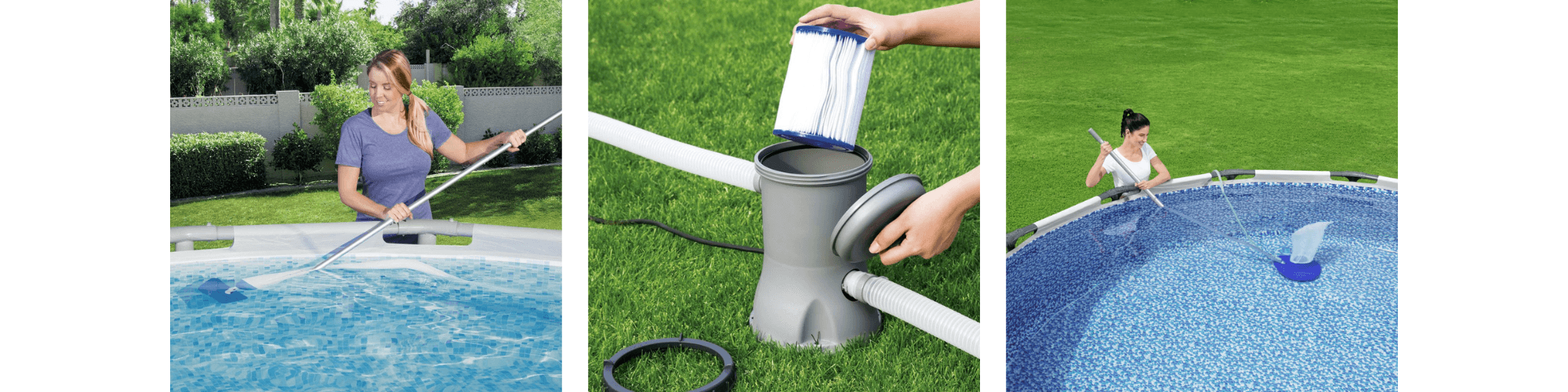
Keeping the pool clean and in good technical condition is key not only for aesthetics but above all for the health and safety of people using the bath. Regular cleaning prevents the accumulation of impurities and the development of microorganisms, while proper maintenance ensures long-term and trouble-free use.
The frequency of cleaning the pool filter is a key element in maintaining cleanliness and the effectiveness of water filtration. The optimal cleaning frequency depends on several factors, such as the type of filter, the pool load, as well as the quality and quantity of water used. Below we present guidelines for the three main types of filters used in garden pools:
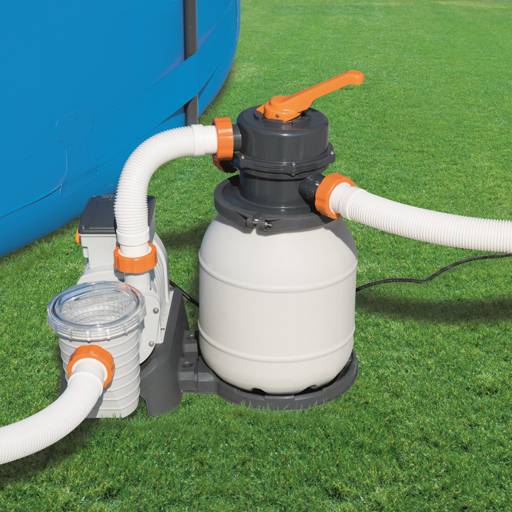
Sand filters should be backwashed every 1-2 weeks during the pool season or more often if the pool is used intensively. Backwashing helps remove impurities trapped in the sand. The sand in the filter is usually replaced every 3-5 years, unless a decrease in filtration efficiency is observed, which may suggest the need for an earlier replacement.
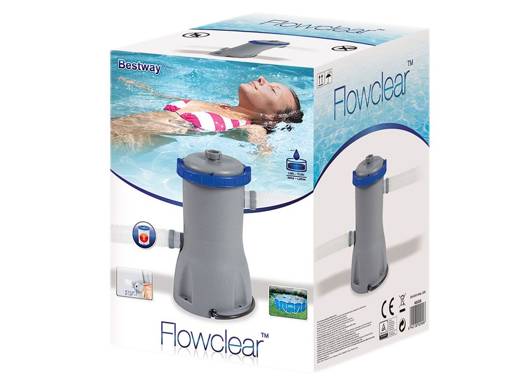
Cartridge filters require regular cleaning, usually every 1-4 weeks, depending on the intensity of pool use and the amount of impurities. Cleaning consists of rinsing the filter under running water using a gentle stream to remove impurities. Filter cartridges should be replaced every year or more often if permanent dirt or damage is noticeable.
The frequency of adding chemicals to the pool depends on many factors, including the type of chemicals used, the intensity of pool use, weather conditions, as well as water parameters such as its hardness, pH and chlorine content. An excellent solution is to check the water condition, which we can carry out using a pool water control kit.
Pool chemicals are essential for keeping the pool water clean and safe for swimmers. Proper disinfection and regulation of water parameters ensure not only the pleasure of swimming but also protect health. We can use:
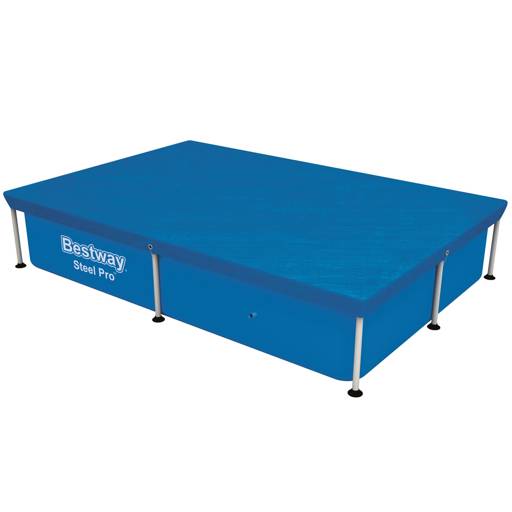
Protecting the pool for the winter requires special attention to ensure its long-term and trouble-free use in subsequent seasons. One of the key aspects is to completely put the pool away and store it in a dry room. When the swimming season comes to an end, it is worth dismantling the pool, and after thorough cleaning and drying along with all its elements (including the pump, filters, pipes, and swimming accessories) store it in a dry and closed room. Such action not only protects the pool and accessories from damage resulting from low temperatures and freezing but also prevents material degradation caused by moisture and temperature changes. Furthermore, storing the pool in a dry room makes it easier to keep it clean and prevents the growth of mold and fungi.
Yes, draining the water from the pool for the winter is recommended. Leaving water in the pool during the winter months can lead to freezing, which in turn can cause damage to the pool structure, such as wall cracks or damage to the filtration system and pipes.
Cleaning a pool that has previously been drained of water is an important preparatory step for its winter storage. This process will help remove any residue and contaminants that could stick to the walls and bottom of the pool. At the beginning, you need to carefully check the pool for visible dirt, such as leaves, insects, or other objects that might have remained on the bottom after draining the water. Remove them manually or with a small brush. Then focus on the walls and bottom of the pool. Use a soft brush or sponge and a mild cleaning agent dedicated to the material the pool is made of. Gently scrub the surfaces, paying special attention to areas with visible dirt or sediment. Avoid using strong detergents that can damage the pool surface. After washing all surfaces, thoroughly rinse the pool with clean water to remove any cleaning agent residue. This is important because detergent residues can harm the pool material over time. When the pool is clean, it is very important to dry it thoroughly before storage. Leaving even a small amount of moisture can lead to the growth of mold and fungi. Drying can be accelerated by spreading the pool out in the sun or in a well-ventilated place. You can also use towels to absorb excess water and then let it air dry naturally. Once the pool is completely dry, it can be folded following the manufacturer's instructions. The material should be folded smoothly, avoiding sharp folds that can lead to permanent damage. The folded pool and all its accessories, such as filters, pumps, ladders, and floor mats, should be stored in a dry, cool place, preferably inside a building, to avoid damage caused by low temperatures or rodents. Such thorough cleaning and proper storage of the garden pool for the winter will ensure its protection and facilitate restarting in the next season.
Green water is a sign that algae have developed in the pool. Chlorination should be carried out, followed by thorough cleaning of the pool, including running the filtration for several hours. Regular testing and balancing of water chemistry will help prevent algae from reappearing.
It is recommended to change the water at least once a season or when water quality tests indicate the need for a change. Regularly adding fresh water and maintaining proper chemistry can reduce the need for a full water change.
The filter pump should run daily to ensure proper water circulation and filtration. For most pools, it is recommended that the pump runs for 6 to 8 hours a day.