Composting is not only a practical solution for every gardener but also a key element of a sustainable lifestyle, allowing for the closing of the organic matter cycle and contributing to a healthier environment. This process, although simple, requires an understanding of basic principles to be effective and efficient. Proper composting in the garden allows not only for the reduction of kitchen and garden waste but also for the production of nutrient-rich compost, which significantly improves soil quality. Learn how easily you can start composting.
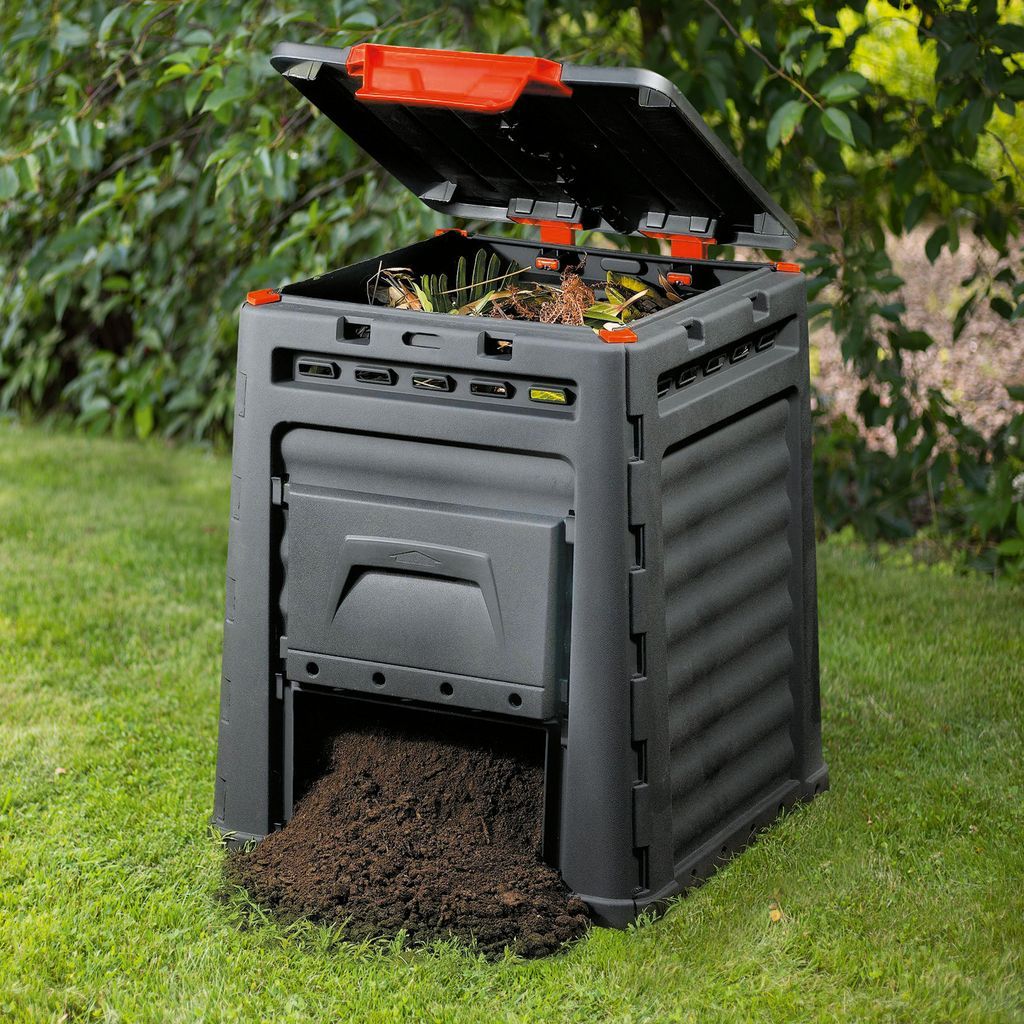
Having a composter in the garden is a great way to ecologically manage kitchen and garden waste, transforming it into rich compost that serves as an excellent fertilizer for plants. This not only reduces the need for chemical fertilizers but also improves soil structure, increasing its fertility and water retention capacity. Composting also supports local biodiversity by attracting beneficial organisms to the garden, such as earthworms and microorganisms, which are essential for a healthy ecosystem. Additionally, it is a cost-effective way to enrich the garden, allowing for savings on money spent on purchasing fertilizers and garden soil.
Composting is a natural process of recycling organic waste, which allows for reducing the amount of trash going to landfills while simultaneously enriching the soil with valuable nutrients. Thanks to it, we can not only contribute to environmental protection but also improve the soil structure in our gardens, increasing its fertility and water retention capacity. It is a simple and effective solution for anyone who wants to live in harmony with nature and values a healthy garden full of life.
Composting contributes to a significant reduction in the amount of waste going to landfills, which is important for reducing methane emissions, a powerful greenhouse gas. It is a process that transforms organic household and garden scraps into nutrient-rich compost, enriching the soil and supporting healthy plant growth. This also increases water retention in the soil, which is beneficial for both plants and water use efficiency. Composting is also a great way to naturally provide plants with the nutrients they need, reducing the need for artificial fertilizers, which supports sustainable development and care for the environment.
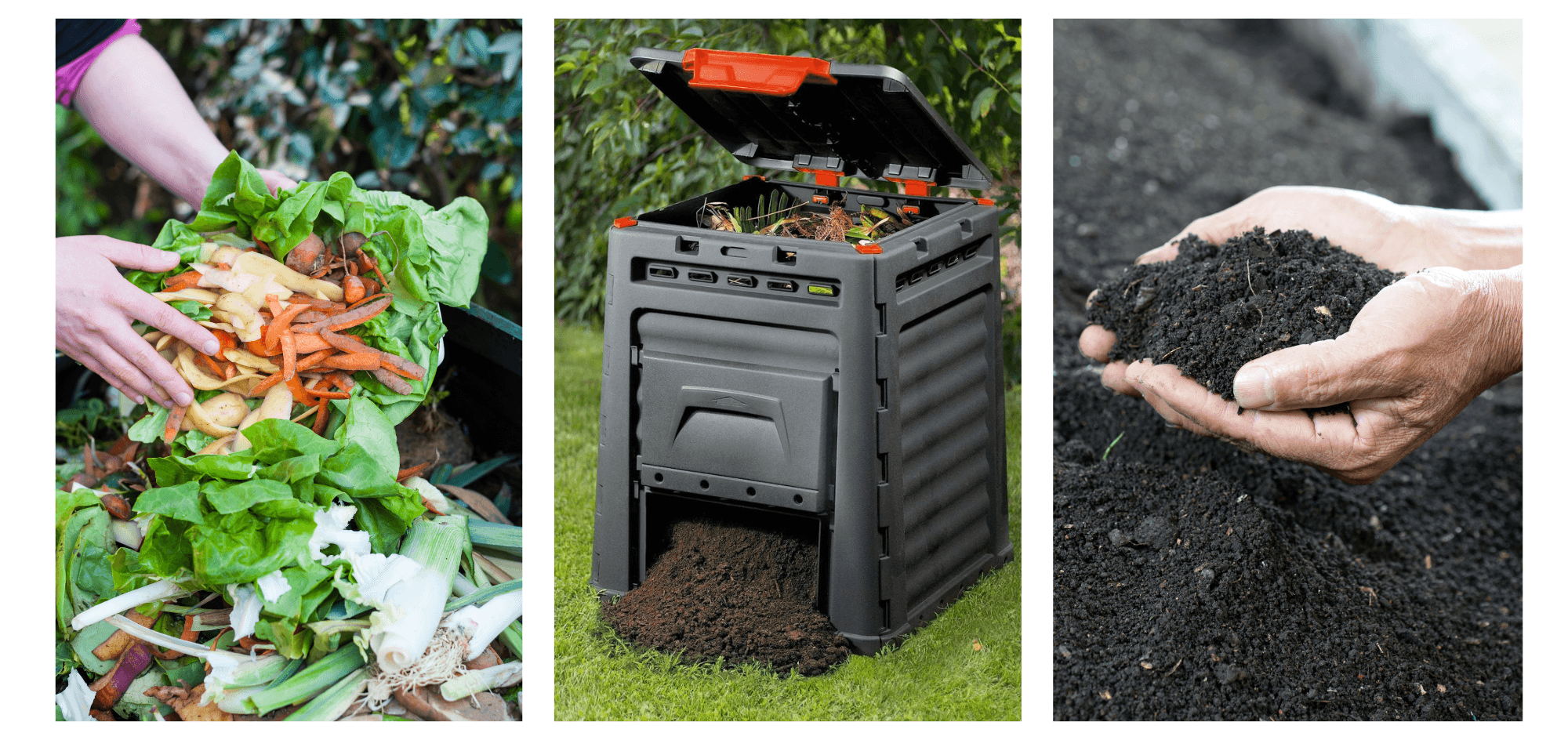
Composting waste is a process that can be easily integrated into your daily routine. Here are the basic steps on how to compost waste effectively:
Remember not to compost meat, fish, fats, oils, bones, or food scraps containing these ingredients, as they can attract pests and emit an unpleasant odor.
You can use a wide range of organic waste from your home and garden for composting. Here is a list of materials suitable for composting:
"Green" materials (rich in nitrogen):
"Brown" materials (rich in carbon):
The time needed to produce compost in a composter can vary depending on several factors, such as the type and size of the composter, the type of materials being composted, prevailing weather conditions, and the frequency of mixing the compost. Usually, the composting process takes from 3 to 6 months, but it can extend to a year or more if conditions are not optimal. To speed up the composting process, it is important to maintain the correct balance of nitrogen- and carbon-rich materials, regularly mix the compost to ensure oxygen access, and monitor the moisture and temperature of the compost.
The decomposition of grass in a composter can be relatively fast, usually taking from 1 to 2 months, provided that the composter is properly managed. The rate of grass decomposition depends on several factors, including proper moisture, oxygen access, and the temperature in the composter. Freshly mown grass, being a "green material", decomposes quickly thanks to its high nitrogen content, which is "food" for composting microorganisms. To avoid problems such as unpleasant odors or rotting, it is recommended to mix grass with "brown" materials and regularly turn the compost, which will ensure proper ventilation and speed up the composting process.
Speeding up the composting process is possible by maintaining an ideal balance between nitrogen- and carbon-rich materials, finely shredding added waste to increase its surface area for microorganisms, and ensuring proper moisture, which is crucial for the activity of these microorganisms. Regular mixing of the compost ensures oxygen access, which is essential for the decomposition process, and adding a compost activator can further speed up the entire process. Composting efficiency also depends on temperature; keeping the composter in a warm place or properly insulating it in cooler months can help maintain the optimal temperature for microorganisms.