Oleanders are among the most popular ornamental plants in gardens. Their beautiful, colorful flowers and evergreen leaves make them an ideal choice for any garden. In this article, we will discuss how to grow oleanders in the garden, what their requirements are, and how to care for these plants to enjoy their beauty all year round.
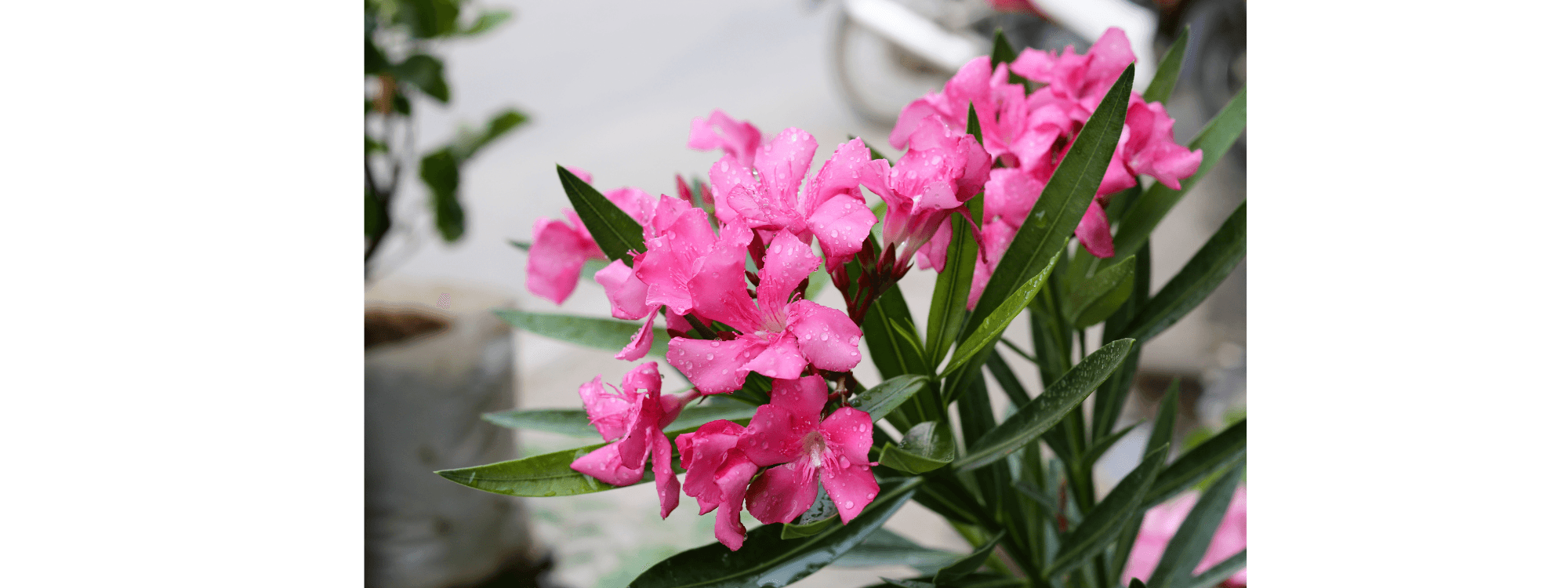
Oleanders are beautiful and graceful plants that can become a decoration for any garden. Thanks to proper care and attention to their needs, we can enjoy their beauty for many years. If you are looking for plants that will add color and a Mediterranean atmosphere to your garden, oleanders will be an excellent choice.
Oleanders are plants that will add a Mediterranean character to your garden. Their intense, fragrant flowers appear throughout the summer and even into early autumn. Here are a few reasons why it is worth having oleanders in your garden:
It is best to plant oleanders in the spring, once the risk of frost has passed. Here are a few steps to help you plant oleanders in the garden:
A potted oleander is a beautiful decoration for a balcony or terrace. To develop well, it needs a lot of light, preferably a sunny position. The pot should have drainage, and the soil should be permeable, preferably with the addition of sand.
In our climate, oleanders are not fully frost-resistant, so for the winter, it is worth moving them to a cool, bright room, e.g., a winter garden or an unheated garage. If you do not have such a possibility, you can try covering the plants with agrotextile and placing them in a spot sheltered from the wind.
Oleanders are relatively resistant plants, but they can be attacked by aphids, spider mites, or mealybugs. It is worth inspecting the plants regularly and using appropriate plant protection products if necessary.
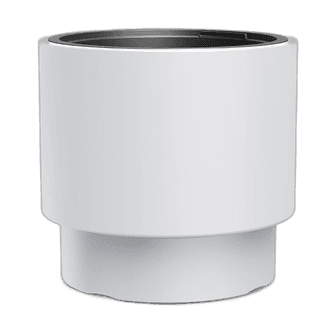
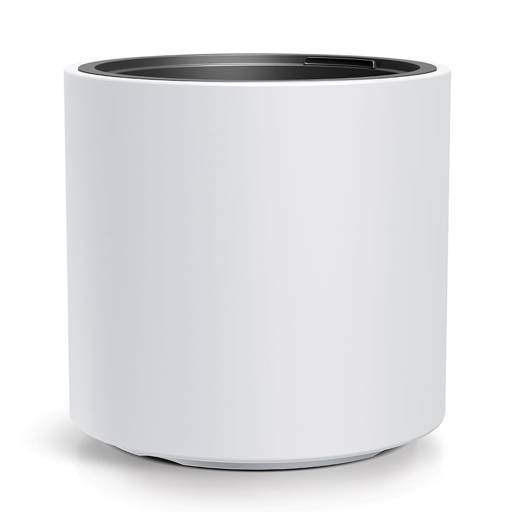
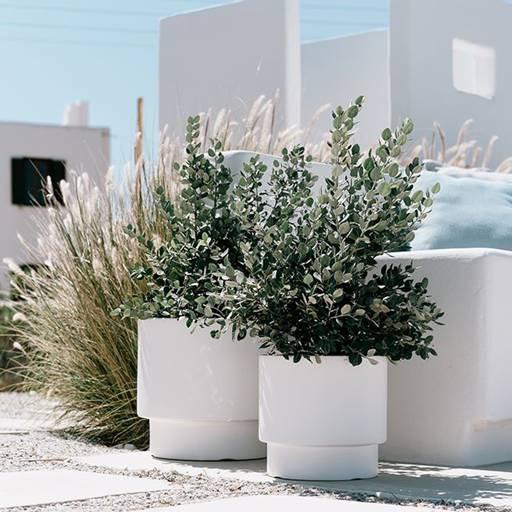
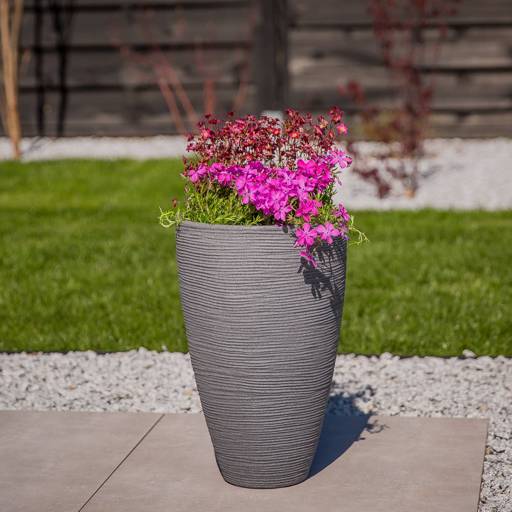
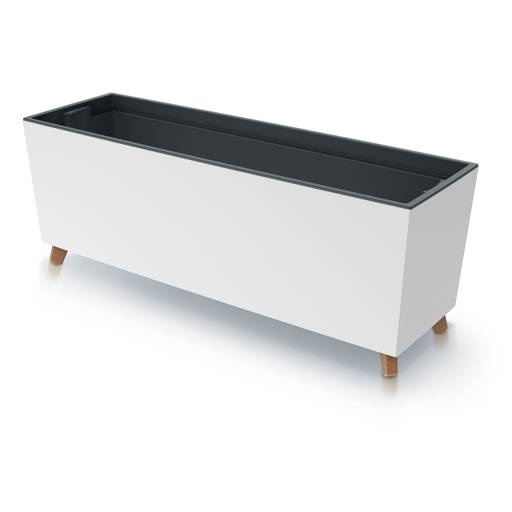
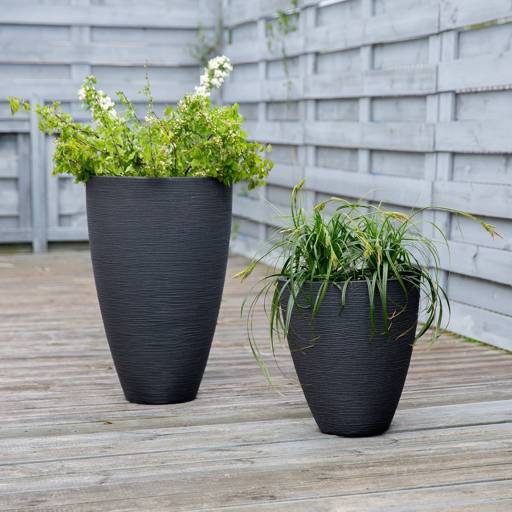
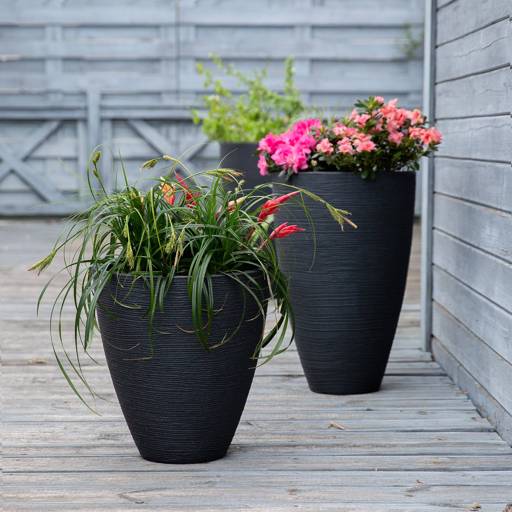
Oleanders grow best in large pots with good drainage (it is good to use expanded clay during planting). Choose a pot that is heavy enough to prevent the plant from tipping over, especially on a windy balcony or terrace - we recommend round garden pots.
An oleander should stand in a well-sunny place where it will have access to full sun for most of the day. Ideally, it should be a location sheltered from strong winds. The plant grows well on terraces and balconies that are properly sunlit. In colder months, especially in climates with frosty winters, it is worth moving the oleander to a bright, cool room inside the house. It is important to ensure that it is not exposed to frost during the winter period, which will ensure healthy growth and abundant flowering.
Oleander can benefit from coffee grounds as a soil additive because they contain nitrogen, which supports plant growth. However, they should be used in moderation so as not to acidify the soil too much. It is best to add them in small amounts or compost them before use.
To make an oleander bloom abundantly, provide it with plenty of sunlight, preferably at least 6 hours a day. Regular watering is key, especially during the growth period, but avoid overwatering. Use fertilizer for flowering plants every 2-3 weeks from spring to autumn. Prune the plant in early spring to stimulate flowering and maintain a nice shape. Also, make sure the oleander overwinters in a bright, cool place, which promotes the formation of flower buds for the next season.
Oleander can overwinter in the garden only in a mild climate where the temperature does not drop below -5°C. In colder regions, the plant may not survive the frost. To protect an oleander for winter in the garden, you can cover it with agrotextile or move it to a sheltered, cool but bright place, such as an unheated garage or veranda. This will help protect the plant from low temperatures and frost.
Oleander is an evergreen plant, which means it does not shed its leaves for winter. However, in unfavorable conditions such as low temperatures, lack of light, or air that is too dry, it may lose some of its leaves. To prevent this, provide the oleander with a bright, cool place for overwintering and moderate watering. Thanks to this, the plant will keep its leaves all year round.