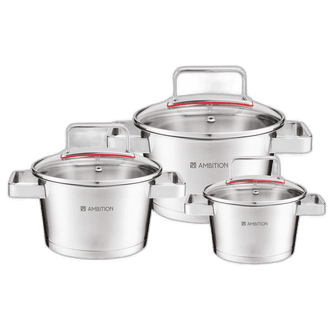
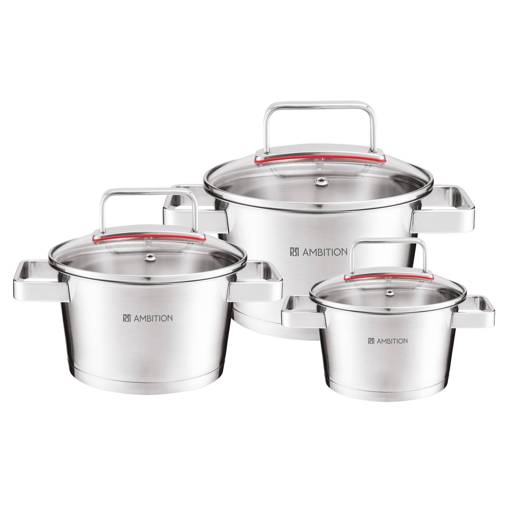
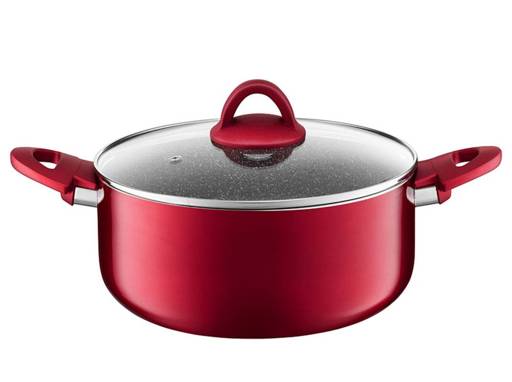
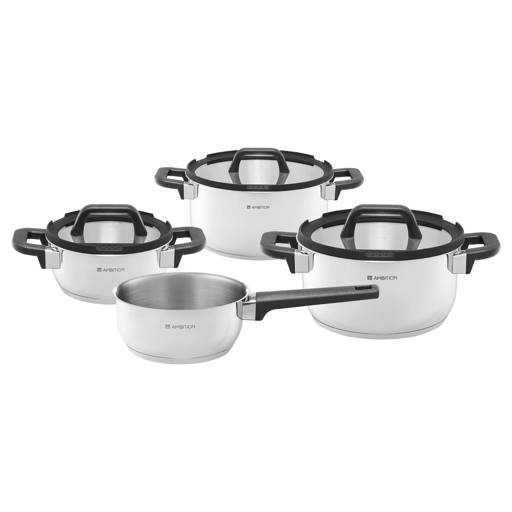
Easter is a time when we meet at the family table, enjoying unique dishes. Easter dishes combine tradition with modernity, and each dish has its own meaning and symbolism. In this article, you will find inspiration for Easter dishes, both classic and modern. You will also learn which kitchen accessories, such as pots, pans, baking tins, or food warmers, will help you prepare the perfect holidays.
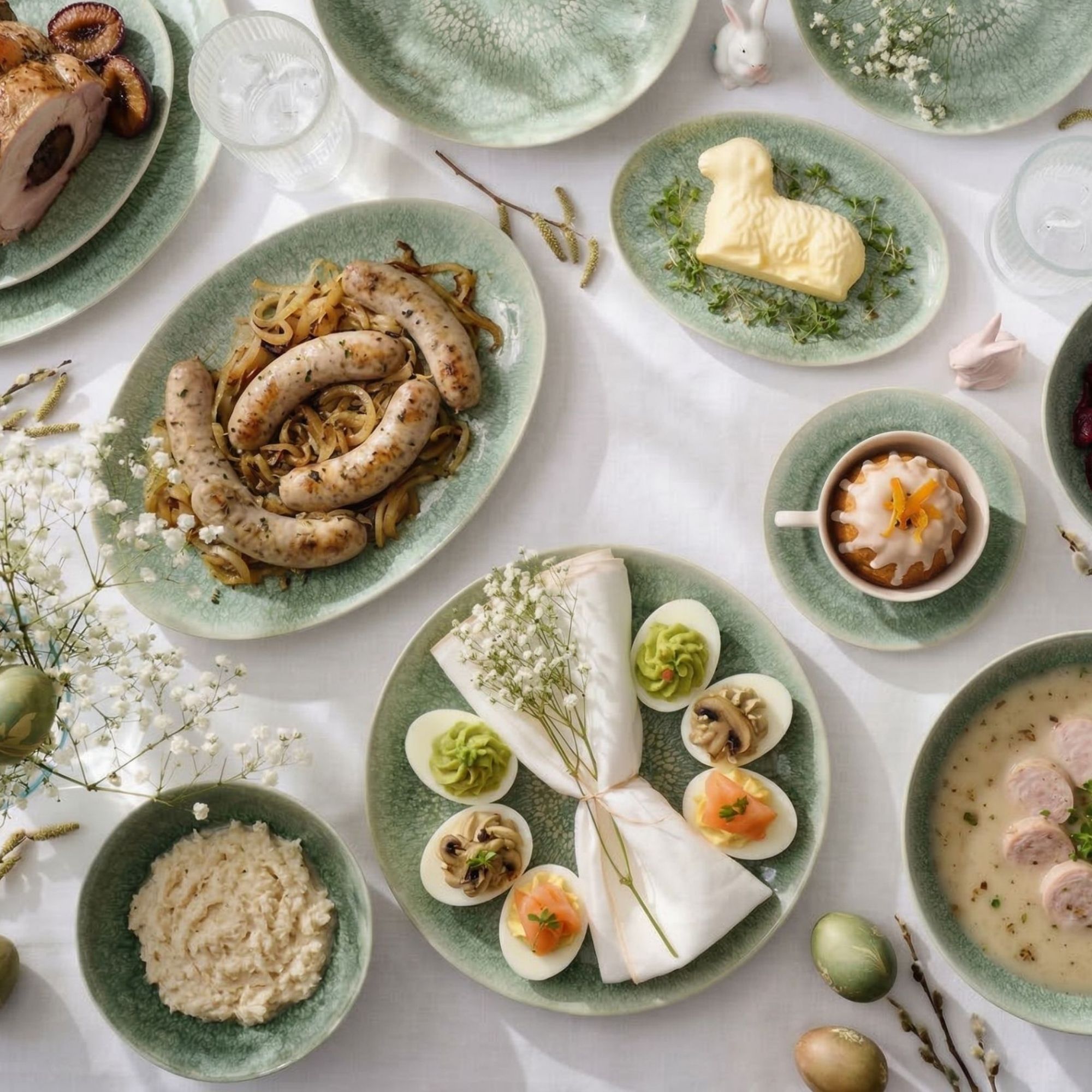
Eggs are an inseparable element of Easter breakfast. They symbolize new life and are present in almost every kitchen. You can prepare them in many ways – traditionally or in more modern versions:
To serve eggs in an elegant way, it is worth using an egg plate, which prevents them from sliding and adds aesthetics to the entire breakfast.
There is no Easter without aromatic pâtés and homemade cold cuts! They give the festive table a unique character. Homemade pâté can be prepared in a baking tin, thanks to which it will maintain the perfect consistency and taste.
Next to the pâté, homemade cold cuts – ham roasted in honey or pork loin with plum – cannot be missing from the table. It is best to serve them on elegant platters, making them look extremely appetizing.
Vegetable salad is an absolute classic of Easter dishes. Prepared from boiled vegetables, eggs, pickled cucumbers, and mayonnaise, it tastes best after cooling for several hours. But it is also worth reaching for modern proposals that will add freshness and color to the festive table.
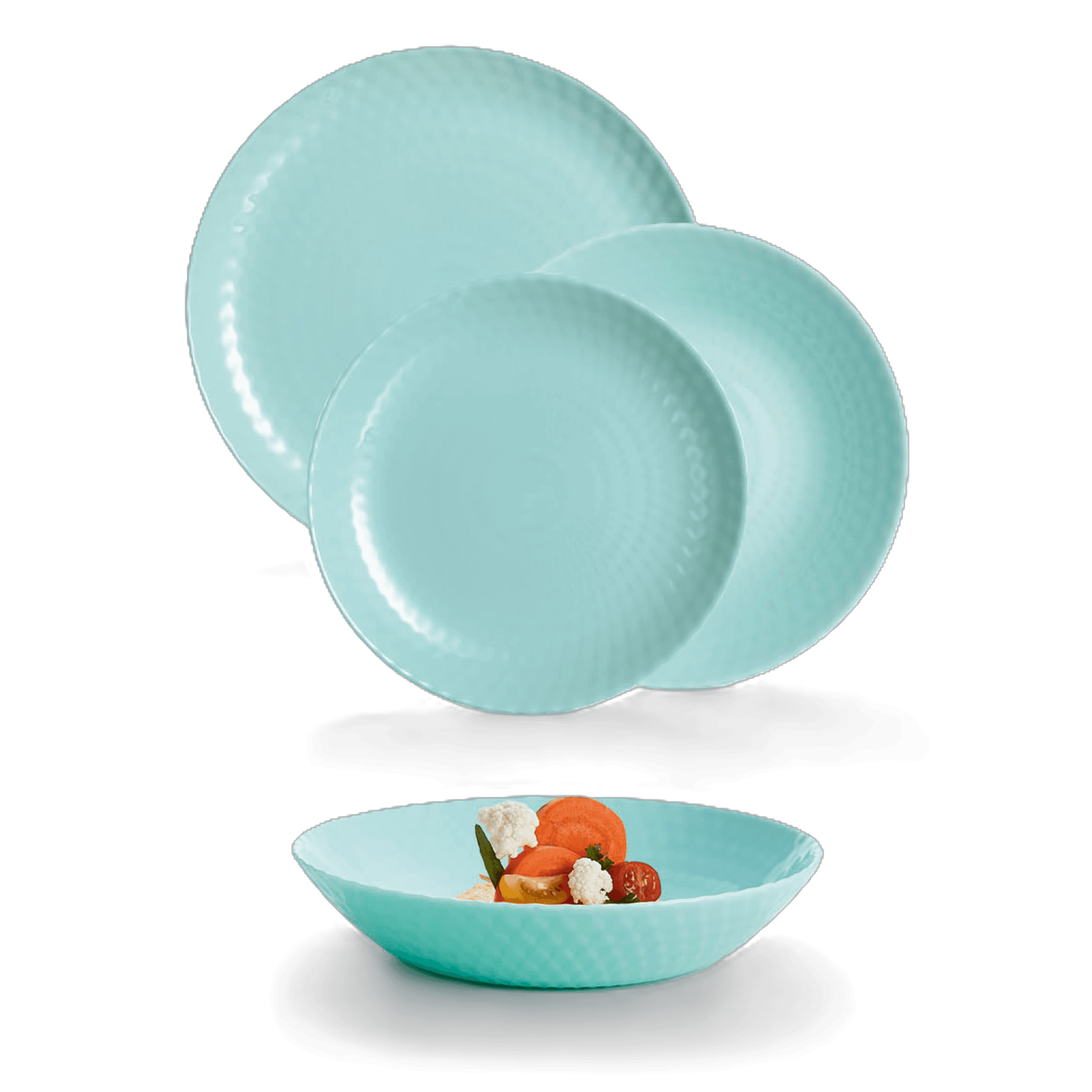
Salads should be served in glass or porcelain salad bowls, thanks to which they will look extremely appetizing.
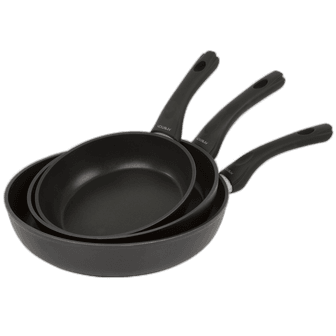
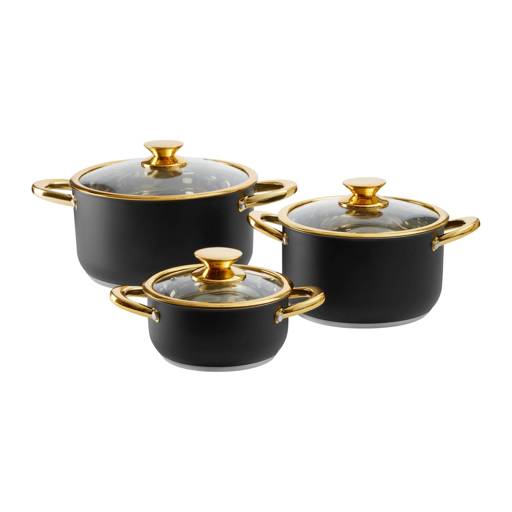
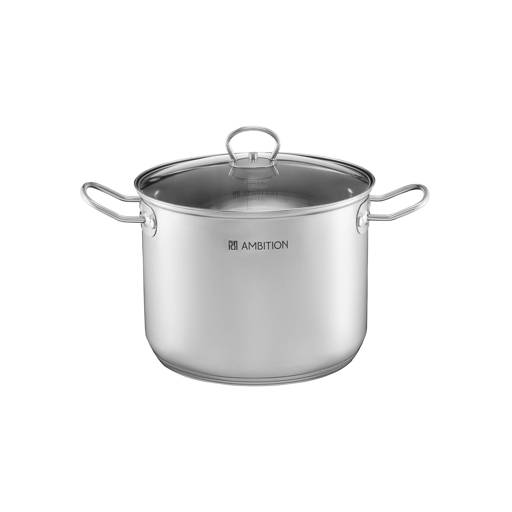
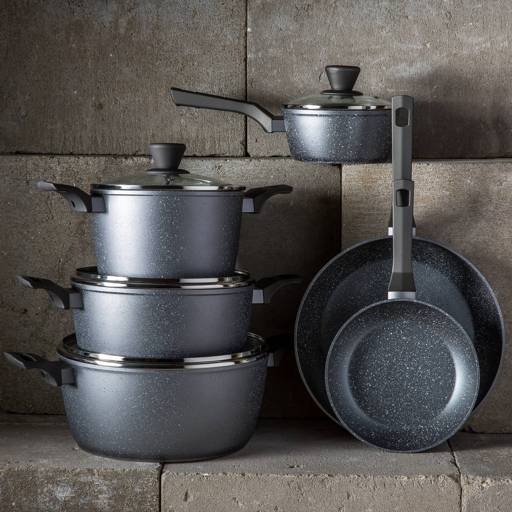
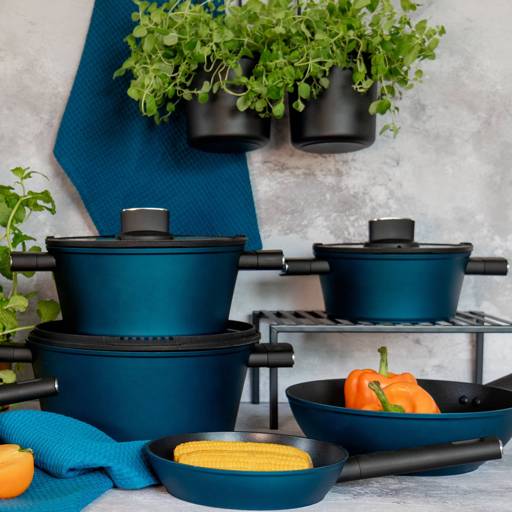
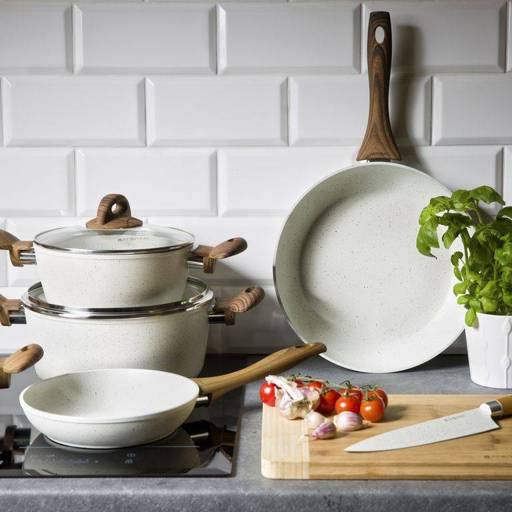
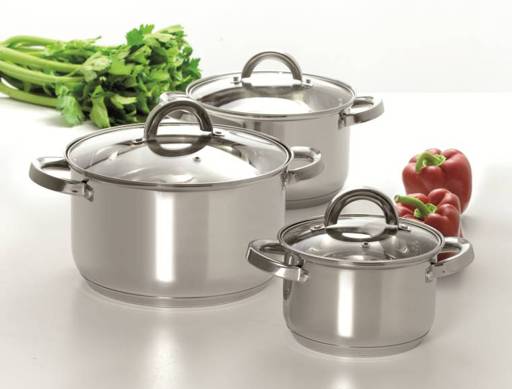
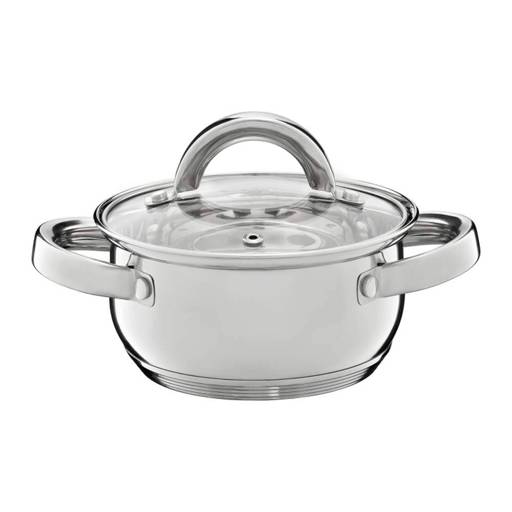
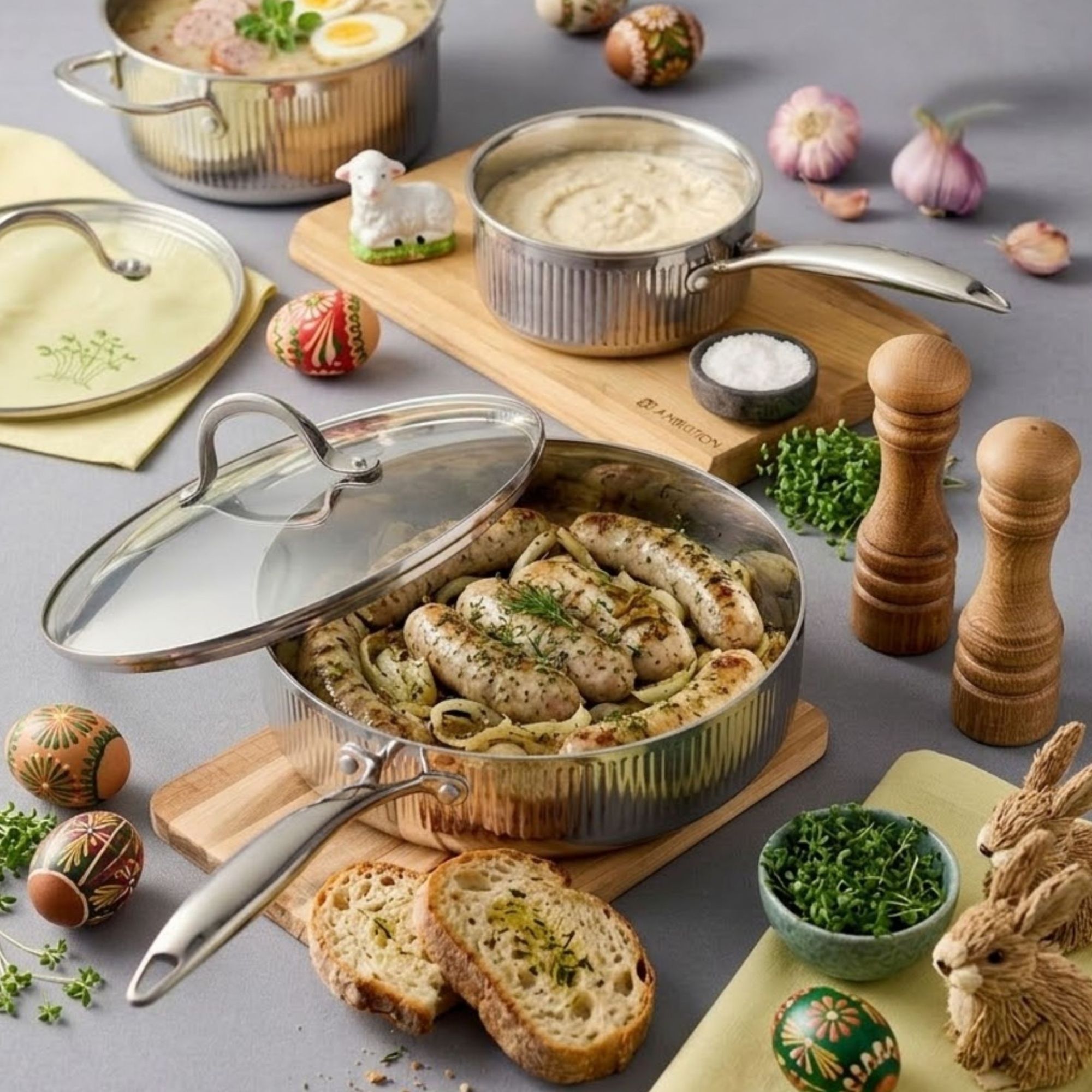
The most famous Easter soup is, of course, żurek. The sour taste of the sourdough starter perfectly matches white sausage and egg. To prepare the perfect żurek, it is worth choosing a solid pot with a thick bottom, which will ensure even cooking.
A slightly milder version of żurek, prepared on wheat sourdough, often served with egg and horseradish.
White sausage roasted in beer with onion and marjoram is a hit of the Easter dinner. It is worth serving it in a dish with a warmer so that it remains warm throughout the meeting.
Aromatic and juicy pork loin, roasted in the oven with rosemary and garlic, is a classic dish for the Easter table.
More and more people are looking for new inspiration for Easter dishes. Here are some suggestions:
Sand, marbled, or chocolate Bundt cake – without it, the holidays wouldn't be the same. Bundt cake pan with the right coating will ensure the bake is perfectly fluffy.
Mazurek is a shortcrust pastry covered with kajmak, chocolate, or fruit. For its baking, it is worth using a baking pan with low sides to maintain the traditional shape.
What to serve on the Easter table?
On the Easter table, it is worth serving traditional dishes such as: eggs in various forms, sour rye soup (żurek), white sausage, mazurek cake, Easter baba, vegetable salad, pâté, herring, cold cuts, and bread.
What is eaten for Easter dinner?
For Easter dinner, traditional dishes served include sour rye soup (żurek) with white sausage, lamb or veal, roasted duck, pork loin with plum, as well as salads, including vegetable salad. These are often accompanied by potatoes, young cabbage, and various raw salads. For dessert – mazurek cake, Easter baba, and cheesecake.
What warm food to serve for Easter?
Warm dishes served for Easter include sour rye soup (żurek), white sausage, roasted duck, lamb, pork loin, roasted potatoes, and young cabbage.
What snacks for the Easter table?
On the Easter table, it is worth serving: stuffed eggs, pâté, cold cuts, salads, herring, cheeses, mini sandwiches, cheese bundt cakes, and horseradish.