Homemade preserves have been regaining popularity for several seasons. More and more people consciously choose products prepared by themselves because they know exactly what is in their composition. Quince syrup is no exception. Unlike many ready-made products available in stores, it contains no preservatives, artificial flavors, or dyes. It is this simple composition that makes it so valued by home cooking enthusiasts. Quince has long been called the "Polish lemon". This term is not accidental, as the fruits are distinguished by a high content of vitamin C, organic acids, and natural pectins. Thanks to this, they have been used for generations to prepare syrups, jams, and tinctures. Their intense, slightly citrusy aroma means that even a small amount of syrup can completely transform the taste of tea or hot water with honey. Many people prepare quince syrup in the autumn, when the cold season begins. Added to a warm drink, it not only enriches its flavor but also allows for the use of fruits that ripen relatively quickly and are difficult to store in fresh form for a long time. Homemade syrup also works great in the kitchen all year round. It can be added to lemonade, cocktails, oatmeal, pancakes, or desserts. It is also increasingly used as an ingredient in homemade dressings and marinades, giving them a delicate fruity, slightly sour character. Preparing a larger portion in the autumn allows you to enjoy the unique taste of quince long after the season has ended.
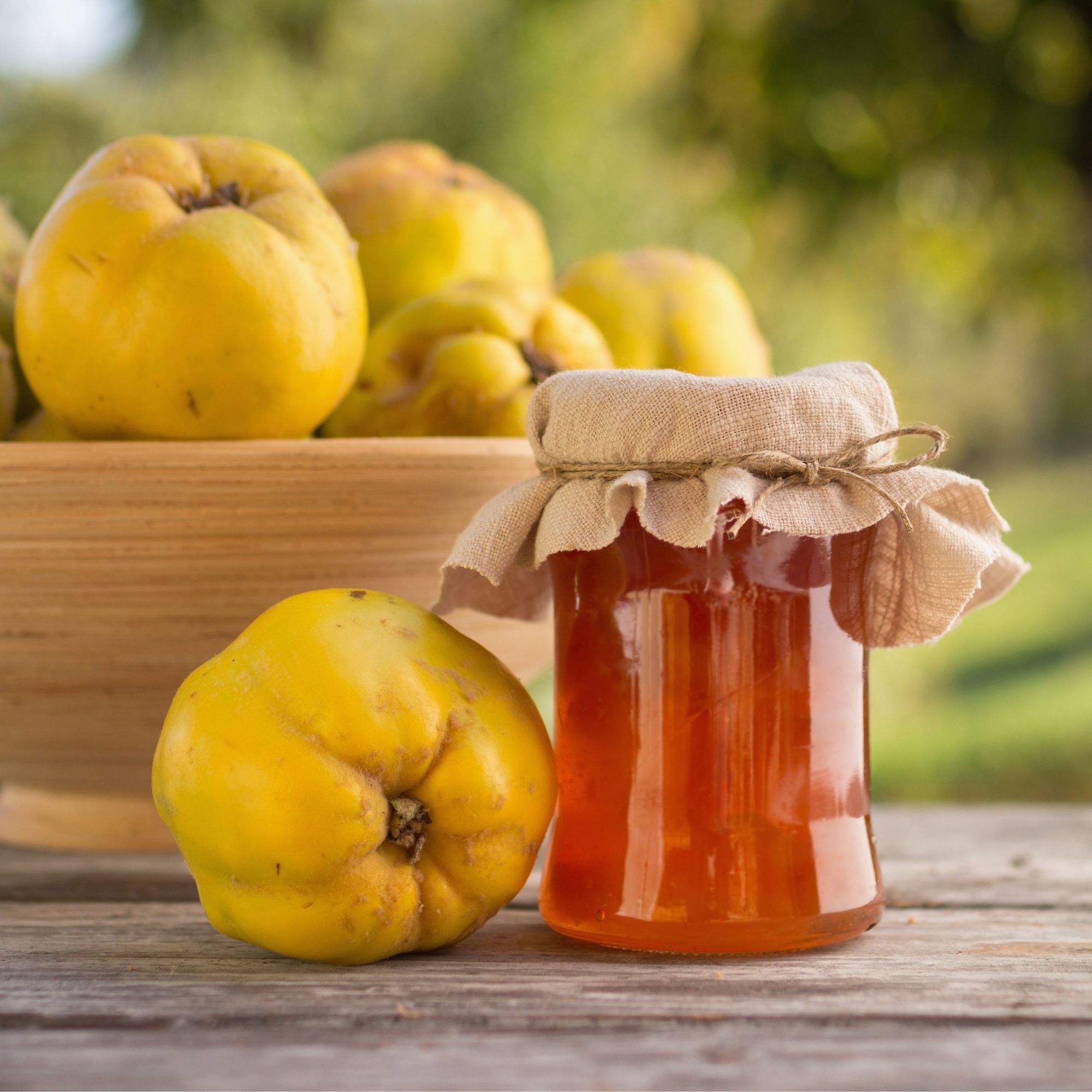
This is one of the most common questions; although the names sound very similar, quince and flowering quince are two different plants. Quince is a small tree whose fruits resemble large pears or apples. They have yellow skin, an intense scent, and relatively much pulp. They are hard, but after thermal processing, they soften and release a large amount of aromatic juice. Flowering quince, on the other hand, is a shrub. Its fruits are much smaller, rounder, and exceptionally sour. It is for this reason that many people mistake them for miniature lemons. Both fruits are excellent for preparing syrup. If you care about a more delicate flavor, quince will work better. Flowering quince will be suitable for people who like expressive, intensely sour preserves. The good news is that a steam juicer handles both types of fruit perfectly. The high temperature makes even very hard pulp gradually soften, releasing all the aromatic juice.
The taste of the finished syrup depends primarily on the quality of the fruit. It is worth taking a moment to choose them, as properly ripe quince contains much more juice and natural aroma. The best fruits have an intense yellow color and a characteristic, pleasant scent detectable even from a short distance. The skin should be firm and free of major damage. Minor discolorations do not matter much, but fruits with signs of mold or rot should be discarded. If you buy quince at a market or in a store, also pay attention to its hardness. This is a natural feature of this fruit, so do not be afraid that it is too hard to use. This is exactly why a steam juicer works perfectly when preparing syrup – the steam effectively loosens the fruit structure and facilitates juice extraction.
Proper preparation of the fruit has a huge impact on the taste and efficiency of the entire process. Although quince looks inconspicuous, it is one of the hardest fruits used for preparing homemade preserves. For this reason, it is worth using a sharp knife and a stable cutting board. At the beginning, wash the fruits thoroughly under running water. There is often a delicate fuzz on their surface, which is worth removing with a soft sponge or cloth. Thanks to this, the finished syrup will be clear and free of small impurities. The next step is to cut the quince into quarters or smaller pieces. There is no need to peel the skin. On the contrary, it is in the skin that many substances responsible for the intense aroma and natural pectins, which affect the consistency of the finished syrup, are found. However, the hard seed cores must be removed. The seeds are not suitable for preparing syrup and can affect its taste. The cut fruits are now ready to be placed in the juicer. If you plan to prepare a larger quantity of preserves, it is worth cutting all the fruits at once. Thanks to this, the steaming process itself runs much more efficiently, and the work in the kitchen is better organized.
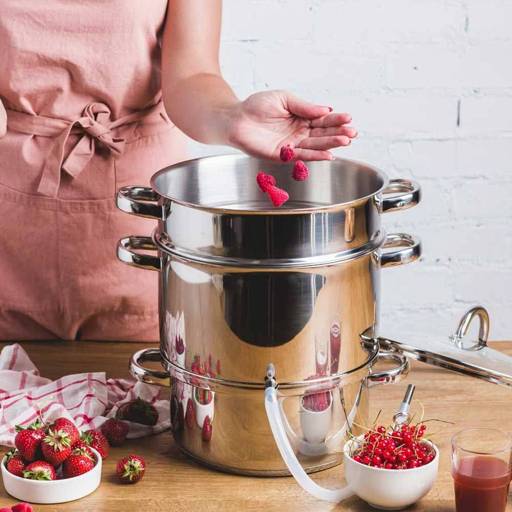
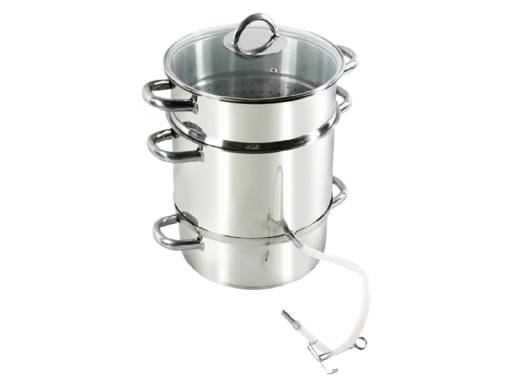
There are several ways to prepare quince syrup. You can cover the fruit with sugar and wait a few days, boil them in a pot, or use a slow juicer. However, more and more people are choosing a steam juicer because it allows for clear juice without the need for constant stirring or straining. During the device's operation, the fruit does not have direct contact with water. Instead, they are subjected to hot steam, which gradually loosens their structure and releases the juice. As a result, the obtained liquid is clear, intensely aromatic, and practically free of pulp. This solution works particularly well for hard fruits such as quince, flowering quince, or chokeberry. Unlike traditional cooking, you don't have to stir them for a long time or watch so they don't stick to the bottom of the pot. Simply prepare the fruit properly, fill the juicer, and let the device do most of the work. For people who prepare homemade preserves every year, a steam juicer is one of the most practical pieces of kitchen equipment. Outside the quince season, it can be used to prepare juices from apples, grapes, raspberries, currants, plums, or cherries.
Preparing homemade quince syrup in a steam juicer is not complicated. The most time-consuming part is preparing the fruit, as quince requires thorough washing and cutting. The juice extraction process itself runs almost automatically.
Ingredients
To prepare an aromatic syrup, you need:
The proportions can be freely modified. Quince itself is very aromatic and sour, so it does not require many additives. The most classic version is a combination of fruit and sugar, which allows the natural flavor of the preserve to be preserved.
Step 1: preparing the steam juicer
Before starting work, thoroughly wash all elements of the steam juicer. Pay special attention to the container into which the juice will flow and the hose draining the finished liquid.
Pour the appropriate amount of water into the bottom pot according to the manufacturer's instructions. Do not fill it with too much liquid, as water should not enter the juice reservoir during boiling.
Step 2: preparing the quince
Cut the washed fruit into smaller pieces. Remove the seed cores and hard fragments located around the seeds. You can leave the skin, as it is responsible for a large part of the aroma.
Some people fear that inaccurately peeled quince will make the juice bitter. In practice, properly prepared skin does not worsen the taste, and even enriches the finished syrup with an intense scent.
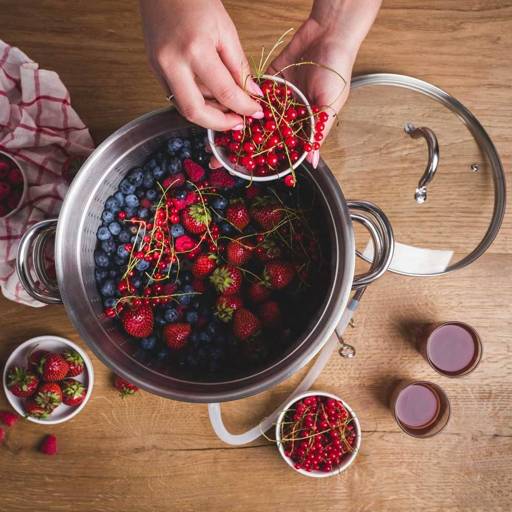
Place the cut fruit in the upper basket of the steam juicer. Do not pack them too tightly; steam should be able to flow freely between the pieces.
Step 3: adding sugar
You can add sugar in two ways. The first method involves pouring sugar directly onto the fruit in the steam juicer. During the steam action, the sugar will gradually dissolve in the flowing juice, creating a ready syrup. The second option is to prepare the juice without sugar and sweeten it only after the process is finished. This method gives more control over the taste and allows you to precisely adjust the sweetness level.
In the case of quince, many people choose the first method because sugar helps extract even more juice and creates a natural, thicker syrup.
Step 4: the fruit steaming process
After setting up all parts of the steam juicer, start heating the water. The time for obtaining juice depends on the amount of fruit and the type of device, but usually takes about 60–90 minutes.
During the operation of the steam juicer, the fruit gradually decreases in volume, and their color becomes more intense. This is a sign that the juice has been released.
There is no need to stir the fruit or press them down. The water vapor does all the work, gently breaking down the structure of the fruit.
Step 5: pouring the syrup into bottles
It is best to pour the finished juice while it is still hot. Prepare clean, scalded bottles or jars beforehand.
Fill the vessels almost to the brim, leaving a small space. Then tighten the lids thoroughly and set aside to cool.
If you care about long-term storage, you can additionally perform pasteurization. Thanks to this, the quince syrup will stay fresh even throughout the entire autumn-winter season.
One of the most common questions when preparing homemade preserves is how much sugar to add to quince syrup. There is no single universal answer, as the amount depends on individual preferences and how the finished product will be used. If the syrup is to be added mainly to tea or hot water, it is worth preparing a more concentrated version. In this case, a proportion of about 300–400 g of sugar per 1 kg of fruit will work well. If, on the other hand, you plan to use the syrup for desserts, lemonades, or cocktails, you can reduce the amount of sugar. A more natural, slightly sour version is also very tasty. It is worth remembering that sugar serves more than just a flavoring function. It also helps protect the preserve from spoiling and affects its shelf life. Therefore, when preparing syrups intended for long-term storage, you should not completely give up its addition. Alternatively, other natural sweeteners can be used, but classic sugar works best when preparing homemade supplies for the winter.
After the steam juicer has finished its work, pieces of fruit remain in the upper container, having already given up a large part of their juice. Many people wonder if they should be thrown away. This is not necessary; the quince remaining after the process still contains an intense aroma and natural fruit ingredients. The best solution is to use it as an addition to homemade preserves or desserts. After steaming, the fruit is soft and easier to process further than fresh, very hard quince. They can be transferred to jars and stored in the refrigerator or used immediately as a fruit addition to cakes, pancakes, or yogurts. If you want to obtain even more syrup, it is worth remembering that the fruit may still be slightly moist after extraction. They can be gently pressed, but you should not expect as intense a flavor as in the case of the first juice. Most of the aroma and natural juice is found in the liquid collected during the operation of the steam juicer. Using the fruit after preparing the syrup is also a good way to reduce food waste. With homemade preserves, it is worth using the entire product, especially when preparing a larger amount of supplies for the winter.
Preparing quince syrup is not complicated, but a few mistakes can make the finished product less aromatic or stay fresh for a shorter time.
One of the most common problems is using unripe fruit. Quince is naturally hard, so its ripeness should not be judged solely on its softness. The best fruits should have an intense yellow color and a characteristic sweet smell. It is the ripeness that affects the amount of juice and the intensity of the aroma.
Another mistake is preparing the fruit too carelessly. Quince should be thoroughly washed, seed cores removed, and cut into smaller pieces. There is no need to remove the skin, as it contains a lot of aroma. Leaving it on allows for a more distinct flavor of the finished syrup.
It is also worth paying attention to the amount of sugar. Too little will make the syrup very sour and less durable, while overdoing the amount can completely cover the natural taste of the quince. It is best to adjust the proportions to your own preferences, remembering that syrup is intended to be a concentrated addition to drinks.
Another mistake is improper preparation of bottles or jars. Even high-quality juice can spoil if it is poured into inadequately washed containers. Before pouring the hot syrup, ensure they are clean and tightly sealed.
It is also not worth overfilling the upper basket of the steam juicer. The fruit should have space so that the steam can flow freely through them. Thanks to this, the entire process runs evenly, and the steam juicer extracts the quince juice more effectively.
Do you need to peel the fruit for quince syrup?
No, you don't need to peel quinces. The skin contains a lot of aroma, so leaving it on allows for a more intense flavor. The most important thing is to thoroughly wash the fruit and remove the seed cores.
How much sugar to add to quince syrup?
The amount of sugar depends on how sweet the finished syrup is supposed to be. Most often, about 500–800 g of sugar is used for several kilograms of fruit. If the syrup is to be used mainly for tea, a sweeter version can be prepared. When used for drinks or desserts, a less sweet variant will work well.
How long does it take to make quince syrup in a steam juicer?
Preparation time depends on the amount of fruit and the device model, but usually the process takes about an hour to an hour and a half. Quince requires a bit more time than soft fruits because it has a very dense structure.
Is a steam juicer suitable for preparing larger quantities of quince syrup?
Yes, this is one of the biggest advantages of a steam juicer. The device allows you to prepare a larger portion of juice at once, without the need for manual fruit squeezing and long boiling.
Why is it worth making quince syrup in a steam juicer?
A steam juicer allows you to extract natural juice from fruit using water vapor. Thanks to this, the syrup is clear, aromatic, and has an intense flavor. This method is particularly convenient for hard fruits such as quince.