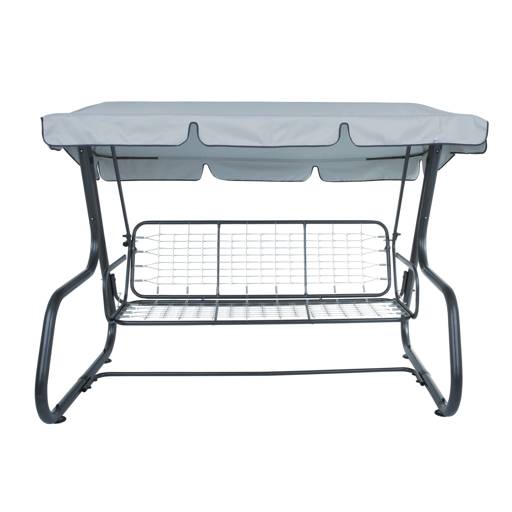
In the specifications of swing canopies or garden furniture covers, you may encounter the Water Repellent designation. What exactly does this term mean and how does it differ from waterproofness? Water repellent is a property of a material that limits water penetration thanks to a special hydrophobic coating. This is why hydrophobic fabric is so widely used in products intended for outdoor use. Properly protected hydrophobic material handles moisture and dirt better, while maintaining breathability and comfort of use. In this article, we explain how the hydrophobic layer works, how it differs from waterproofness, and why it is worth choosing products equipped with modern moisture protection technologies.
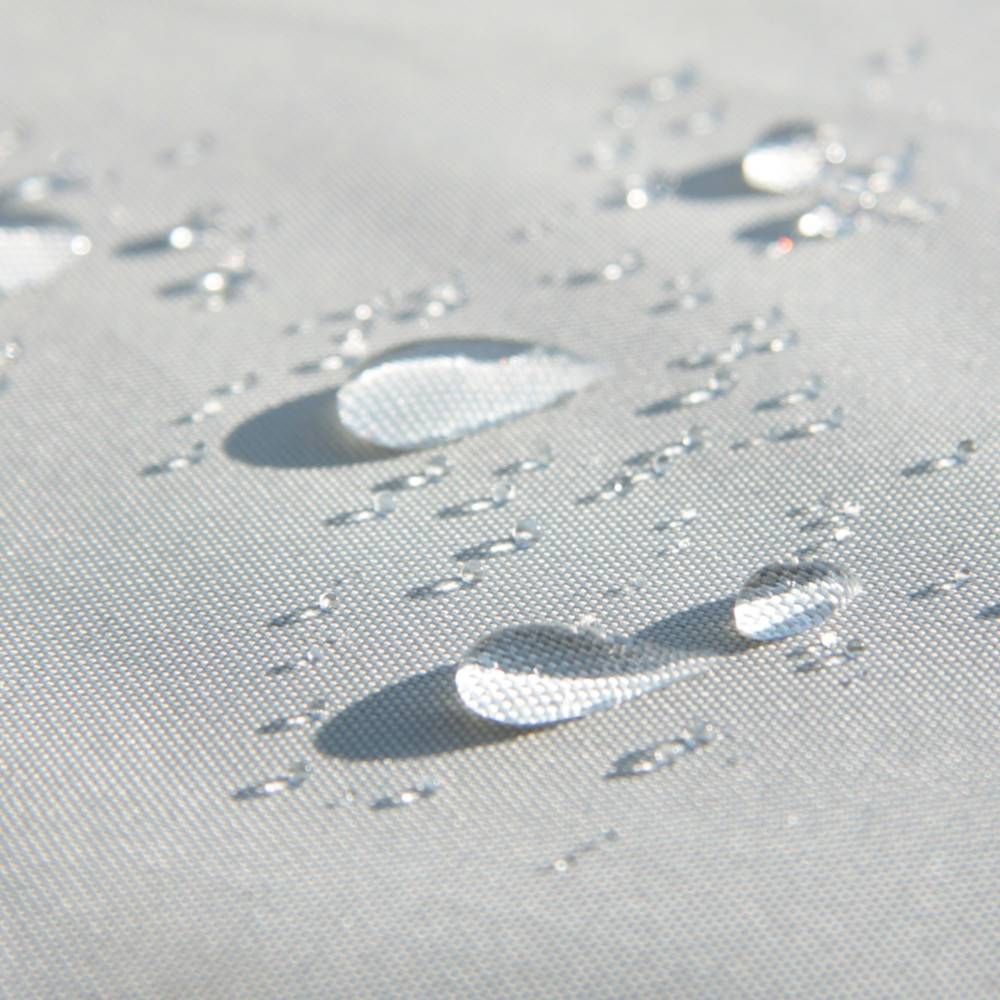
Simply put, it is a special protective layer applied to the surface of a material, designed to limit the absorption of water by the fabric fibers. A modern hydrophobic coating changes the way liquid behaves on the surface of the material. Instead of soaking in immediately, droplets remain on the surface and form characteristic beads. They then flow off freely under the influence of gravity, without immediately penetrating the interior of the fabric. Hydrophobic fabric utilizes a phenomenon called the lotus effect. Thanks to this, the material remains dry much longer than traditional textiles. This is particularly important for products intended for outdoor use, such as swing canopies, garden furniture covers, or terrace cushions. In practice, hydrophobic material not only reduces moisture absorption but also limits the adhesion of dust, mud, and other dirt, which translates into easier cleaning.
The popularity of hydrophobic materials is no accident. They offer a range of benefits that make them perfect for the garden, terrace, and balcony. The most important advantages of hydrophobic fabric are:
Thanks to these properties, hydrophobic fabric is used not only in garden equipment but also in outdoor clothing, awnings, umbrellas, and balcony textiles.
Very often the terms hydrophobicity and waterproofness are used interchangeably, although in practice they mean something completely different. Hydrophobic fabric has a special coating that makes it difficult to absorb water but does not create a completely tight barrier, thanks to which the material remains light, breathable, and comfortable to use.
The most important features of hydrophobic materials:
In turn, completely waterproof materials possess an additional layer of PVC, rubber, or a membrane blocking the flow of water. They provide full protection against moisture, however, they are much less breathable and often more rigid. Therefore, in the case of garden equipment, hydrophobic fabric usually works better than a completely impermeable material.
The hydrophobic layer creates an invisible protection on the surface of the material that reduces the adhesion of water molecules. Thanks to this, droplets do not spread over the surface and do not penetrate between the fibers. The better the hydrophobic layer is preserved, the more effectively the material repels moisture. That is why proper care is of great importance for maintaining protective properties. It is worth remembering that even the best hydrophobic coating naturally wears out over time under the influence of UV radiation, dirt, and frequent use.
Proper care allows you to maintain the effectiveness of protection for many seasons; to preserve the properties of a hydrophobic material, you should:
With proper maintenance, the hydrophobic layer will effectively protect the material for a long time.
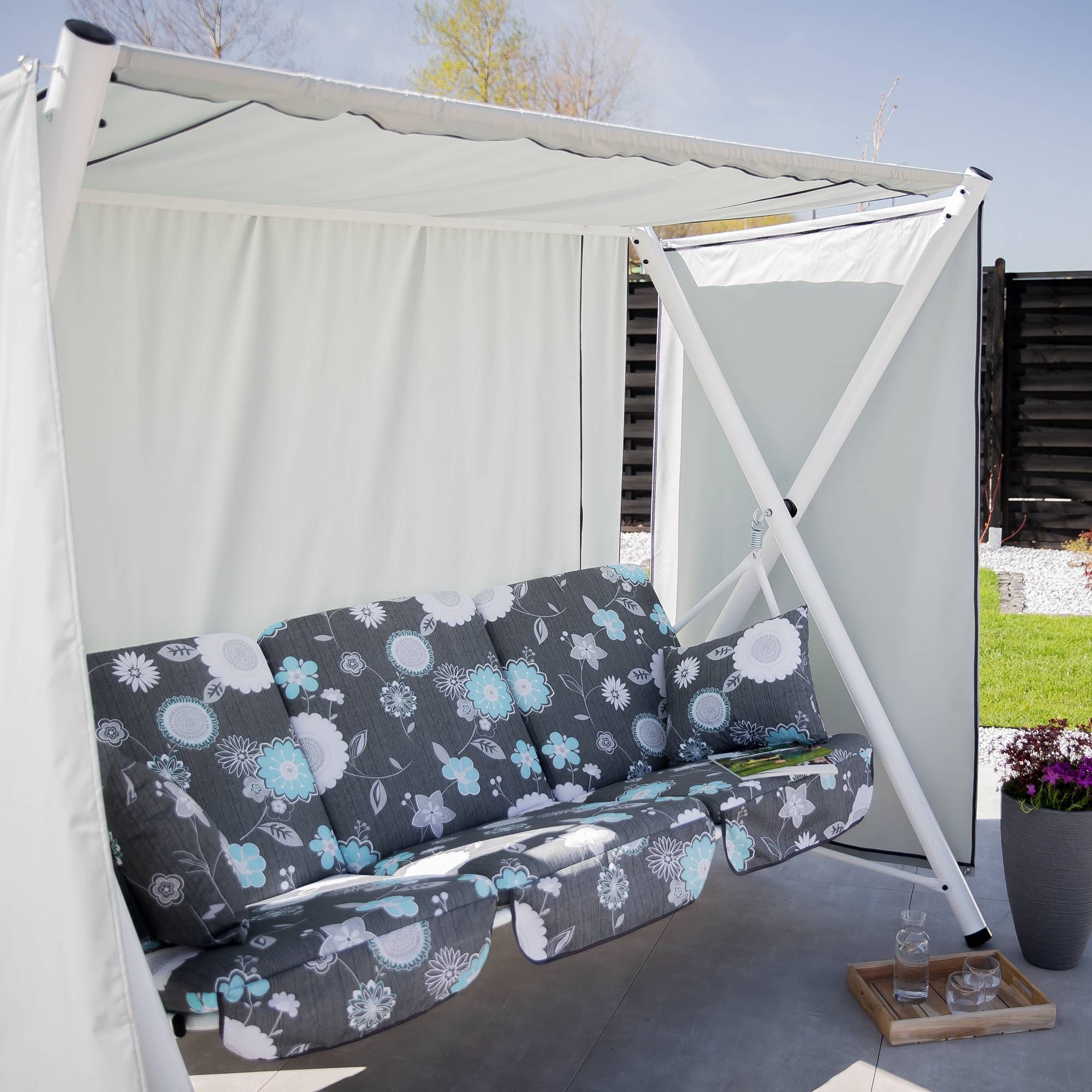
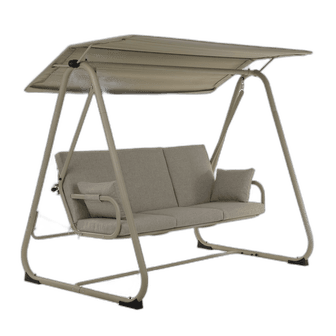
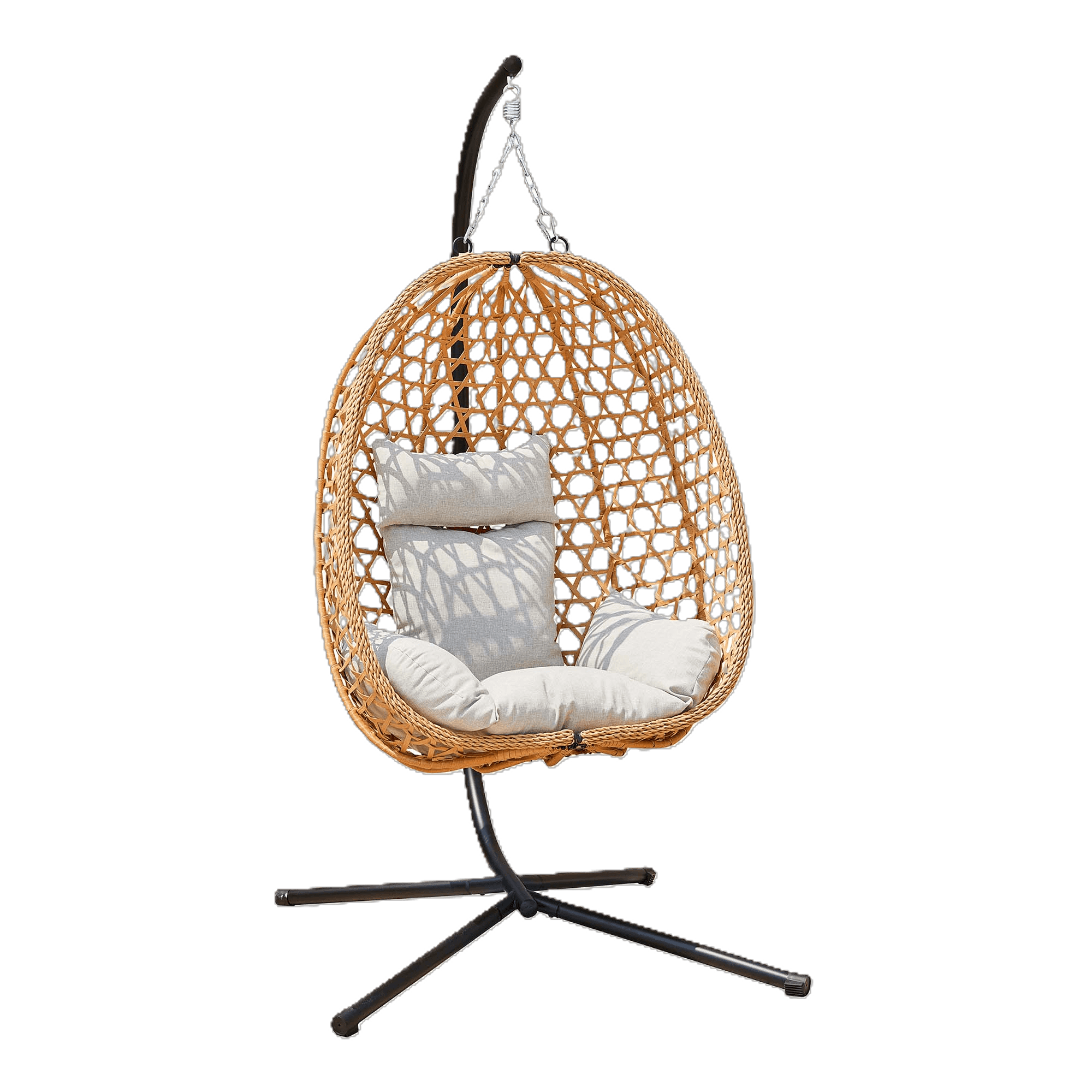
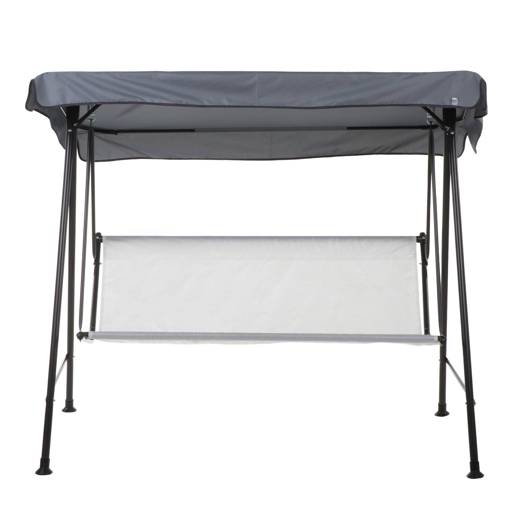
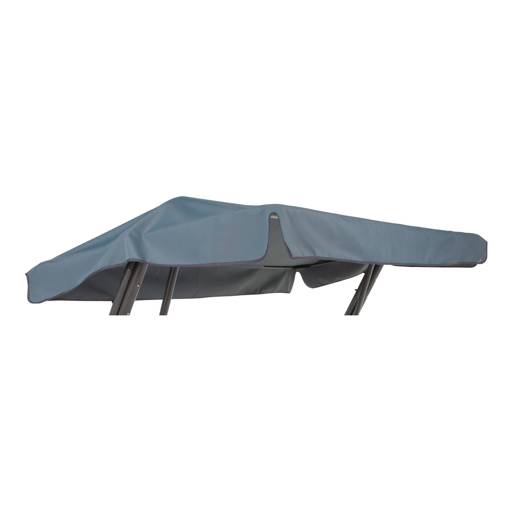
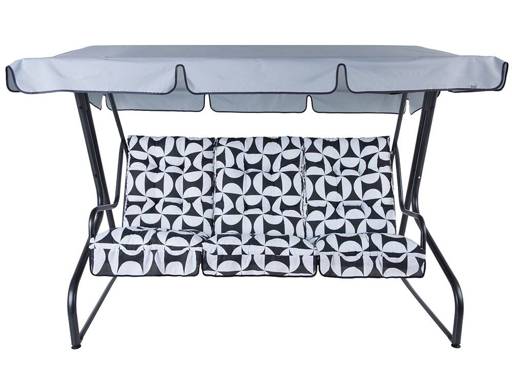
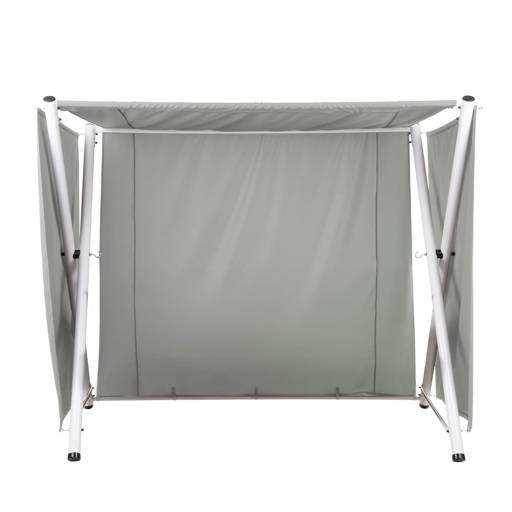
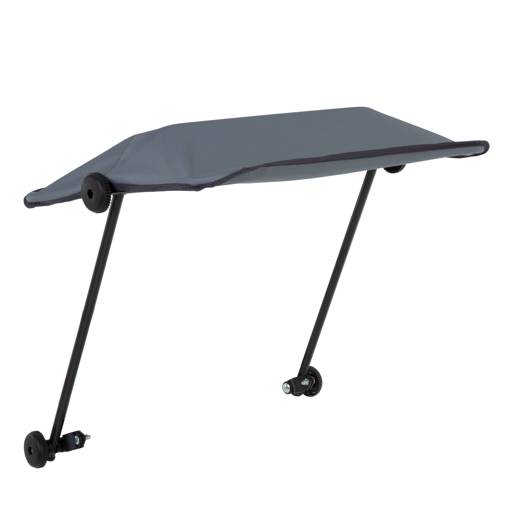
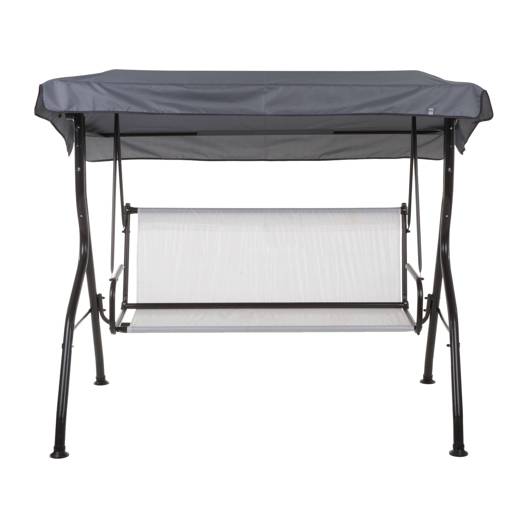
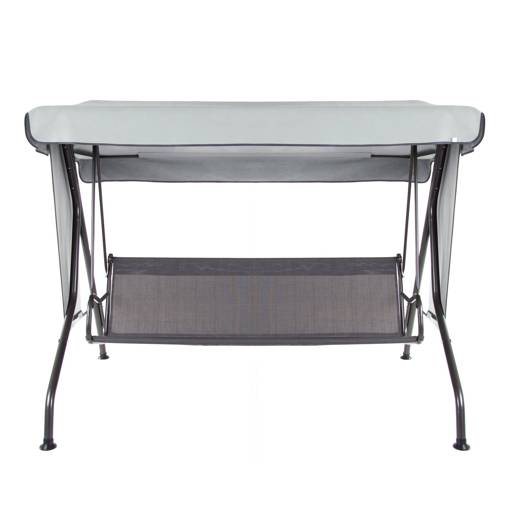
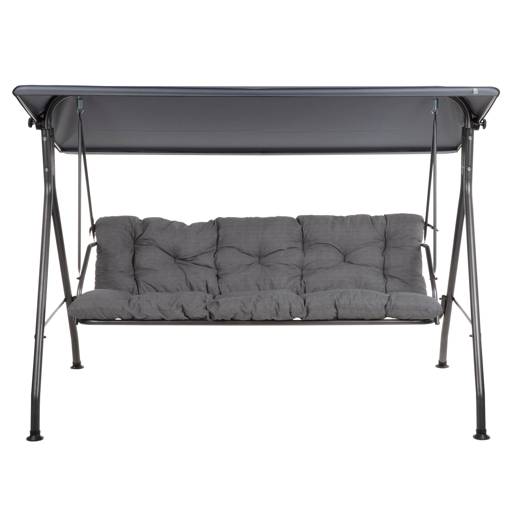
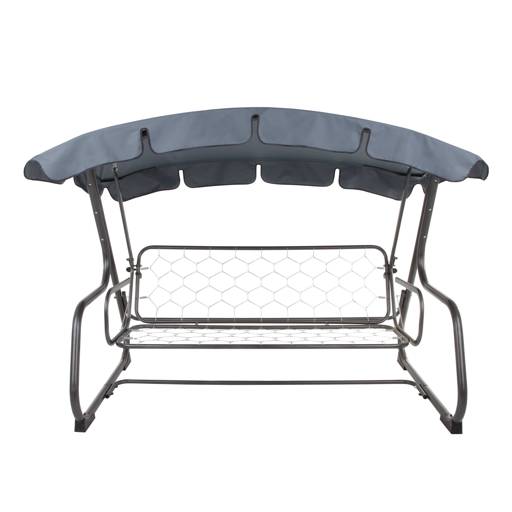
The swing canopy is one of the elements most exposed to UV rays, moisture, and fluctuating temperatures. This is why manufacturers are increasingly using hydrophobic fabrics with enhanced resistance to weather conditions. Canopies made of polyester equipped with a hydrophobic layer effectively limit water penetration into the material. This means that even during an unexpected drizzle, you can still use the swing without worrying about the cover getting soaked quickly.
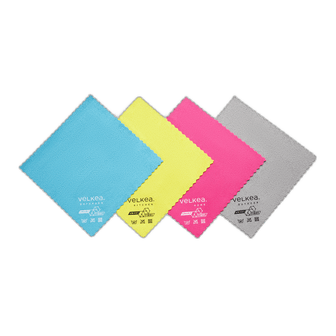
An additional advantage is protection against organic dirt. The hydrophobic coating makes it difficult for tree sap, plant pollen, dust, or bird droppings to penetrate. As a result, most dirt can be removed with a damp cloth without the need for strong detergents.
Modern hydrophobic fabric also maintains its flexibility and aesthetic appearance for a long time, even with intensive outdoor use.
Hydrophobic fabric is used wherever the material is exposed to moisture, dirt, or changing weather conditions. Because the hydrophobic coating limits water absorption, products made from such materials maintain their aesthetic appearance and functionality for a long time. Most often, hydrophobic material is used in:
Recognizing whether a material has been equipped with a hydrophobic coating is relatively simple and does not require specialized equipment. The most effective method is the so-called water drop test. Simply apply a small amount of clean water to the surface of the fabric and observe its behavior. If the material has a hydrophobic layer, the drops will not soak into the fiber structure. Instead, they will form characteristic beads that remain on the surface or begin to flow freely when the material is tilted. It is also worth paying attention to the information provided by the manufacturer. Terms such as "water repellent", "hydrophobic fabric", "hydrophobic material", or "hydrophobic impregnation" usually mean that the product has been protected against moisture penetration.
What does Water Repellent mean?
Water repellent means that the material has been covered with a hydrophobic coating that limits and delays water penetration, causing it to bead on the fabric surface.
Will a canopy with a Water Repellent coating get soaked during a downpour?
Hydrophobic fabric handles light drizzle very well, however, during intense rainfall and with standing water, gradual soaking of the material occurs.
Can products with Water Repellent technology be machine washed?
This is not recommended. Mechanical washing and detergents can damage the hydrophobic layer and significantly weaken its effectiveness.
How to check if the hydrophobic fabric is still working?
The simplest way is the water drop test. If the liquid forms beads and flows off the surface, it means the hydrophobic coating is still fulfilling its function. If the water starts to soak in quickly, it is worth using a renewing impregnant.