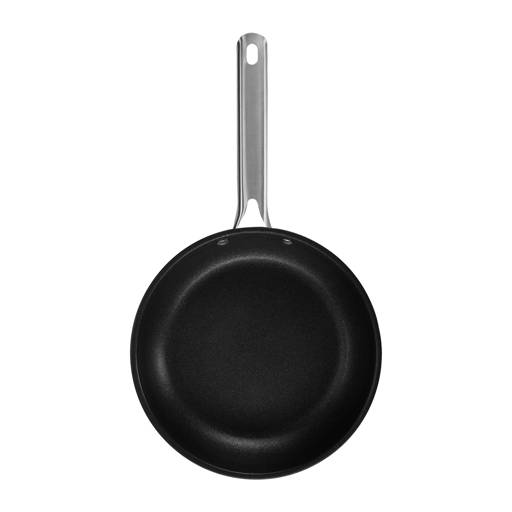
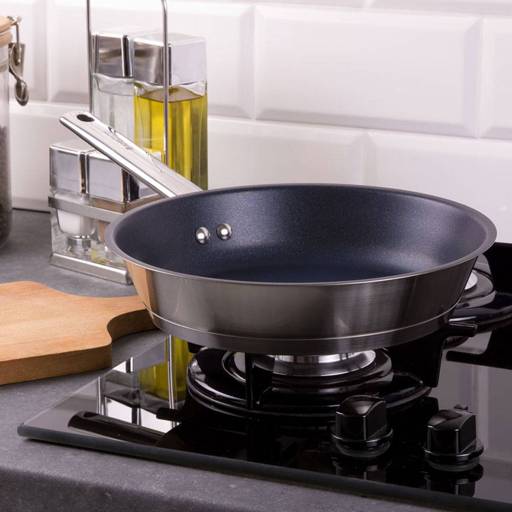
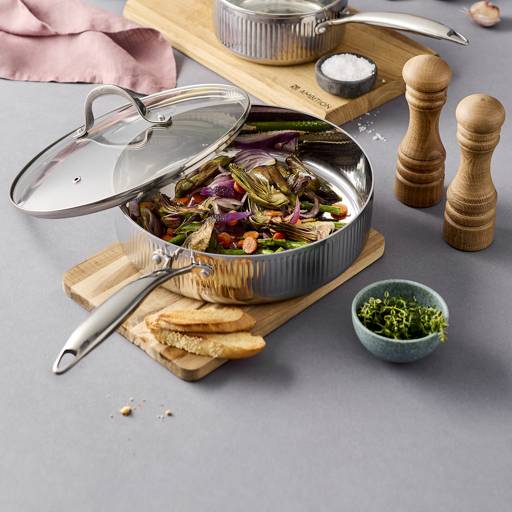
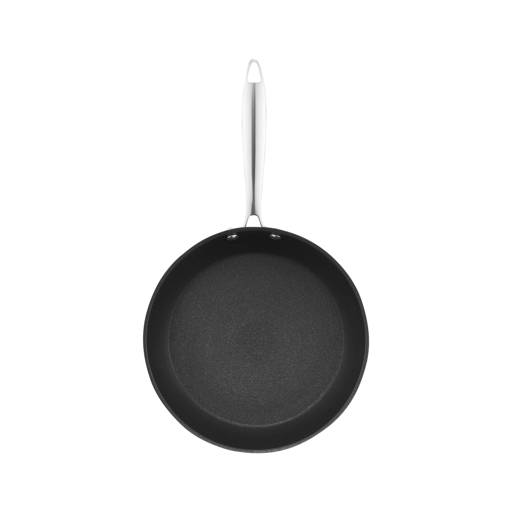
Stainless steel pans have been an important element in both professional restaurant kitchens and households for many years. These are vessels that have gained recognition primarily due to their solidity, resistance to damage and timeless appearance. More and more people looking for reliable solutions for cooking and frying decide on this type of pan. No wonder, a properly used and maintained stainless steel pan can serve for many years, while ensuring high quality of prepared dishes. However, to fully exploit its potential, it is worth knowing both its advantages and disadvantages and learning how to properly care for it.
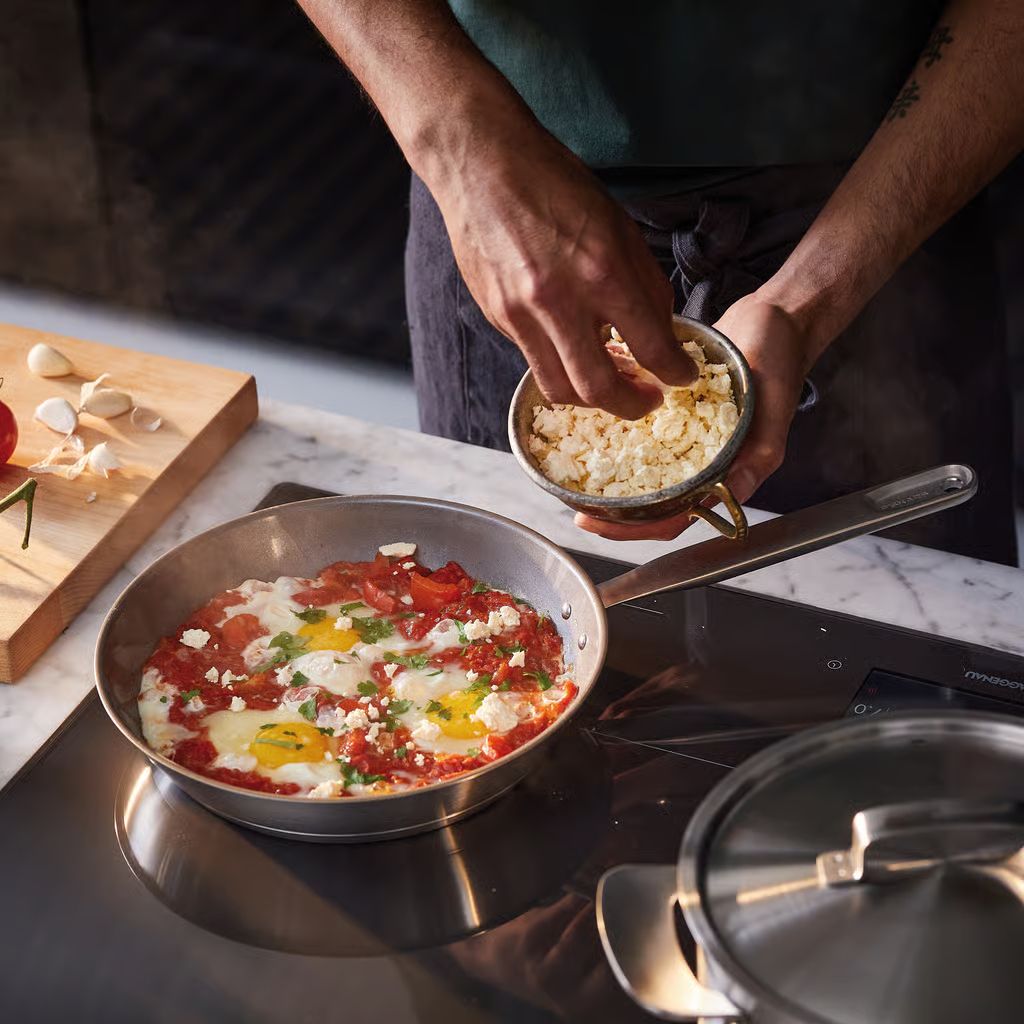
Stainless steel pans have been very popular for years because they combine an elegant appearance, solid construction, and versatility in the kitchen. Depending on the model, they can come in all-steel versions or with additional non-stick coatings that make frying easier and food preparation more comfortable. This allows every user to match the cookware to their own needs and cooking style.
However, it should be remembered that stainless steel, regardless of whether it has a coating or not, requires the right approach. Classic models require skill in temperature control, while those with a coating should be treated carefully so as not to damage the delicate layer. Both solutions have their supporters, and the choice depends primarily on whether you prioritize maximum durability and versatility or convenience and ease of use in the kitchen.
Pans made of stainless steel have many features that make them a popular choice for amateur cooks and professional chefs alike.
Despite many advantages, stainless steel pans are not the ideal solution for everyone. It is worth knowing their limitations to consciously choose a pan tailored to your needs.
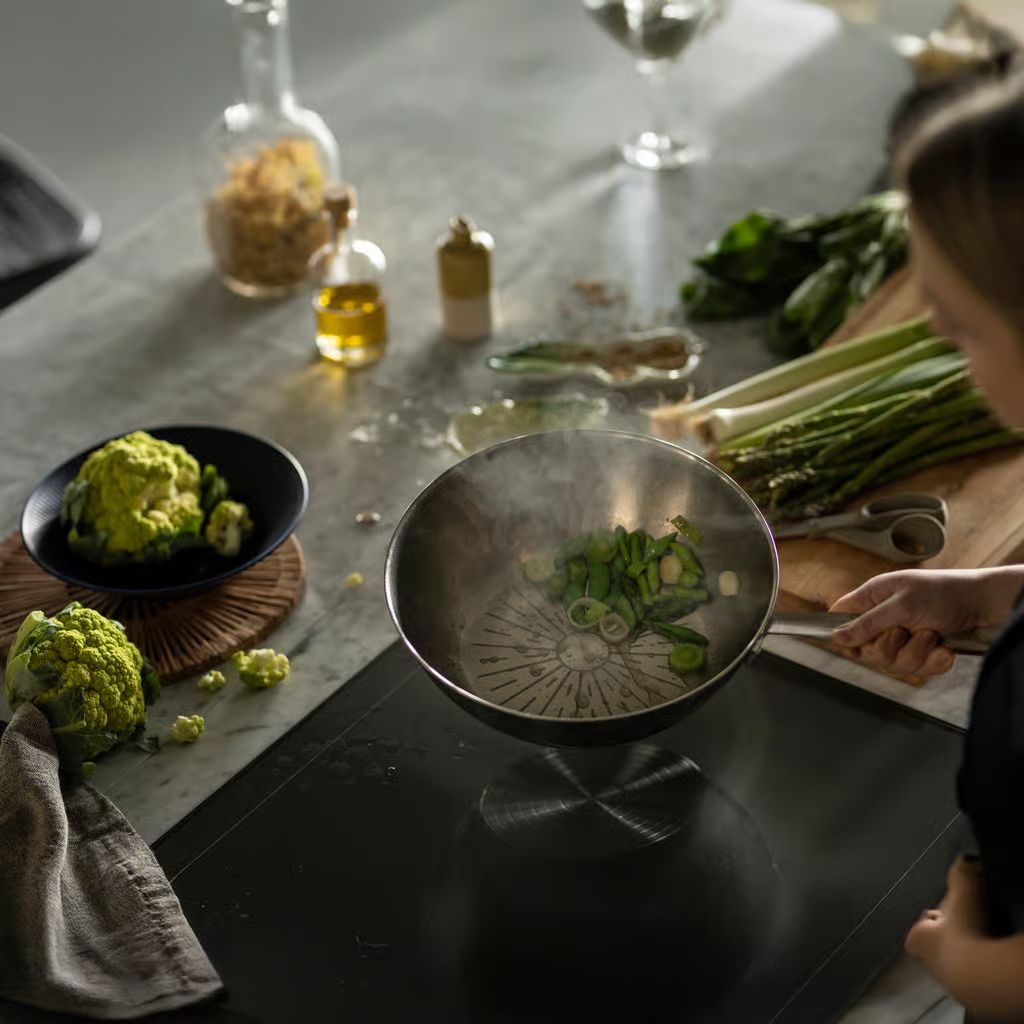
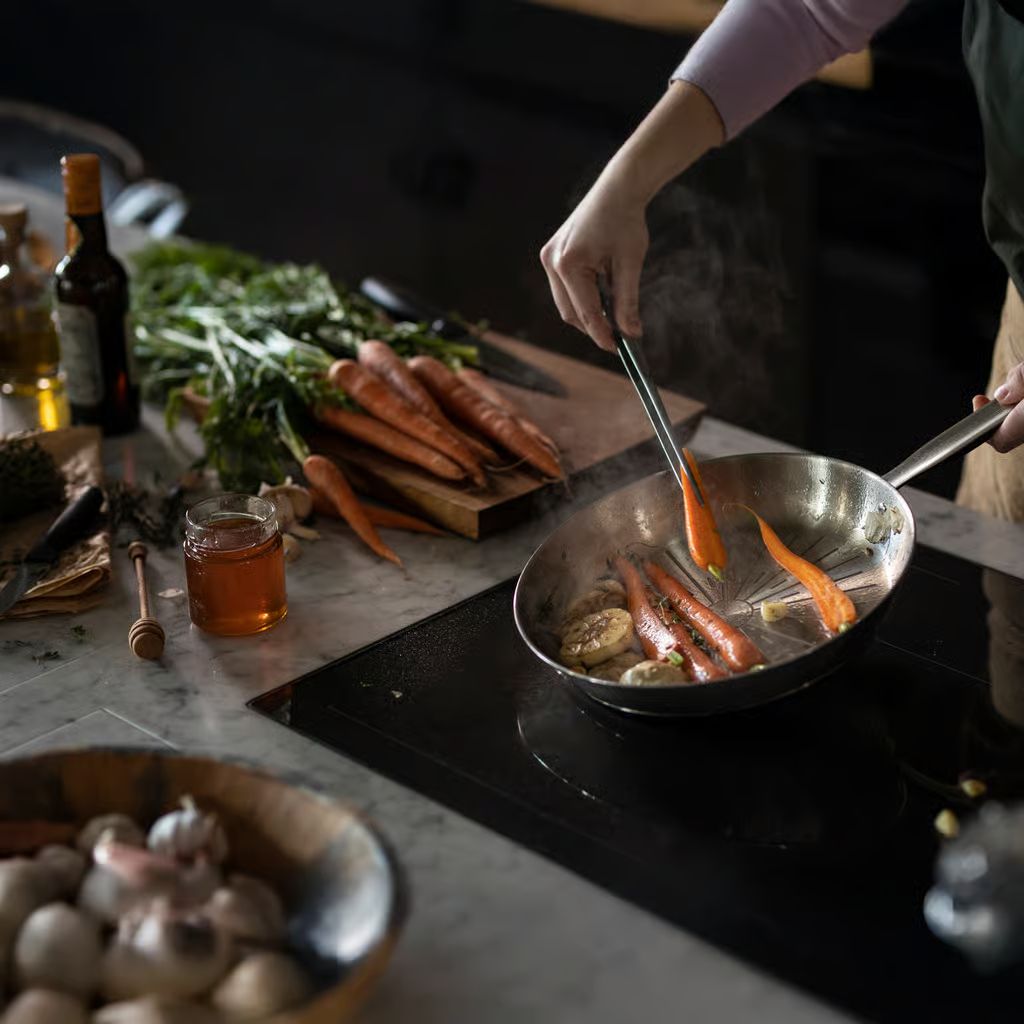
Proper care of a stainless steel pan is of great importance for its durability and convenience of use. These are vessels created for long-term use, but they require a few basic rules that will allow them to maintain their aesthetics and functionality for years.
One of the most important elements of daily use is the heating method. The pan should not be exposed to sudden high heat, as this can lead to uneven expansion of the material and the formation of discoloration. It is much better to heat it gradually until it reaches the right temperature. This not only extends the life of the vessel but also improves frying results.
It is also worth remembering the right moment to add fat. It is best to pour it only when the surface of the pan is already heated; then the fat creates a natural barrier, thanks to which food sticks less. This is a simple rule that can drastically change cooking comfort.
Washing is equally important. Although many models can theoretically be put in the dishwasher, hand cleaning is strongly recommended. A soft sponge and mild detergent are enough to effectively remove food residues without scratching the surface. Sharp scourers and strong abrasive agents should definitely be avoided, as they can dull the steel and lead to unsightly scratches, and in the case of steel pans with a non-stick coating - destroy it.
In daily care, it is also worth taking care of the pan's appearance. Regular polishing with special stainless steel preparations or home methods, e.g., baking soda, allows you to restore its shine and remove discoloration that occurs over time. Thanks to this, the vessel not only works flawlessly but also looks like new for a long time.
Caring for a stainless steel pan is therefore not difficult, but it requires consistency and a bit of attention. In return, we receive a vessel that can serve for many years, maintaining its properties and elegant appearance.
Are stainless steel pans healthy?
Yes, stainless steel pans are healthy because they are food-neutral and do not release harmful substances during cooking.
Why does a stainless steel pan burn food?
A stainless steel pan without a non-stick coating can burn food because it heats up quickly, but with the use of the right amount of fat and proper heating, it should not burn food.
What to do so that a stainless steel pan does not stick?
It should first be well heated, the right amount of fat added, and the ingredients placed only when the fat is hot, and do not move them until they naturally release themselves from the surface.
How to season stainless steel pans?
How to season a stainless steel pan is described in detail in a separate article dedicated to seasoning - How to prepare a pan before first use?
Can I put the pan in the oven? Yes, as long as the handle is made of a material resistant to high temperatures. Most models are suitable for use in the oven, but you should check the specifications of the specific model.
Does stainless steel change the taste of food? No, it is a neutral material that does not affect the taste of food.