Grilling is not just a way to prepare a meal - it is a ritual that brings friends and family together around glowing coals every summer. The aromatic smoke rising from the grill is a herald of upcoming flavors that turn an ordinary meal into an unforgettable experience. A good recipe is the key to success, whether it is classic sausages, juicy chicken, or grilled vegetables with herbs. Each recipe in our collection has been carefully selected to provide variety and satisfy every grill master, regardless of skill level. Get ready to discover new flavors and make your grilling unique with our best recipes for grilled dishes!

Ingredients:
Preparation:
Ingredients:
Preparation:
Ingredients:
Garlic-Lime Dressing:
Instructions:
This grilled corn salad with aromatic dressing is a great way to diversify a traditional grill menu. Its freshness and variety of flavors make it pair perfectly with both meat and vegetarian dishes.
Ingredients:
Instructions:
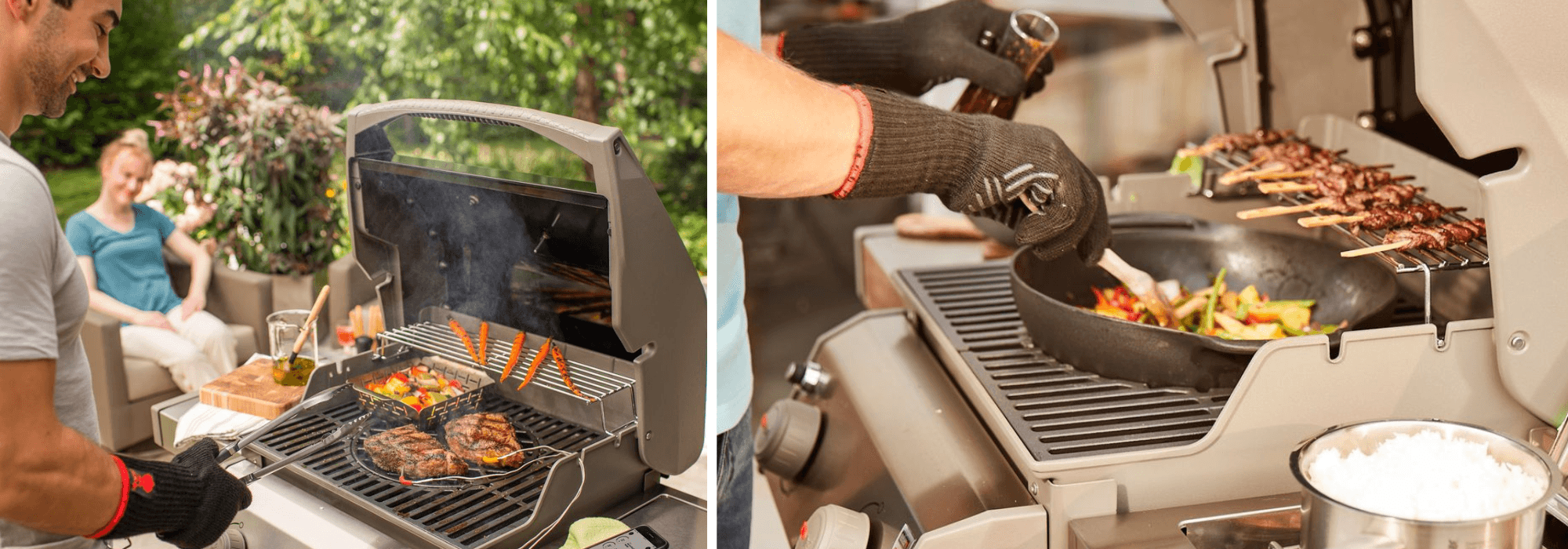
Grilling is an art that requires not only good recipes but also proper knowledge and preparation. For every grilling session to be a success, there are several key tips and tricks worth keeping in mind.
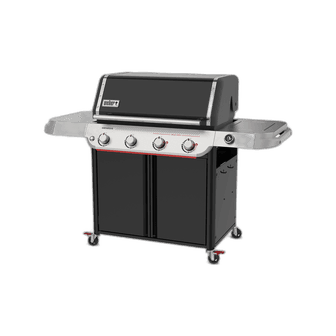
Always start with a clean grill. Food residue and grease can affect the taste of dishes and contribute to unwanted flare-ups. Use a grill brush to thoroughly clean the grate before heating. Before placing food on it, let it heat up well. For a charcoal grill, this means the coals should be light gray and covered with a thin layer of ash. For a gas grill - preheat it on maximum heat for 10-15 minutes.
Making a good barbecue requires, above all, choosing the right type of grill and preparing all the necessary accessories. Meat should be marinated several hours before grilling to give it flavor. It is good to take it out of the refrigerator about 30 minutes before starting so that it reaches room temperature. Grill the meat over medium heat, turning it regularly to prevent burning. Use a thermometer to ensure the meat is properly cooked, and when finished, let it rest for a few minutes before slicing, which will allow the juices to distribute evenly.
Meat should be placed on the grill when it reaches the right temperature – both the grill and the meat. The grill must be well-heated, which ensures even cooking and nice, crispy searing. It is best to take the meat out of the refrigerator about 30 minutes before grilling so it can reach room temperature. This helps in even cooking of the interior and exterior parts of the meat. It is ideal to use a thermometer to check if the grill has reached the required temperature before starting to grill.
Start proper roasting on the grill by adequately preheating the grill before placing food on it. For a charcoal grill, this means the coals should be covered with white ash, and for a gas grill – that the temperature is stable. Next, clean the grate with a brush to avoid food sticking and to achieve characteristic grill lines. Set up different temperature zones on the grill if possible, so you can quickly sear the meat on a hot zone and then finish cooking over a lower heat. Covering the grill helps maintain even heat, reduces cooking time, and increases the smoke flavor, especially on charcoal grills. Control flare-ups to avoid burning by using the lid or spraying the embers with water when they become too hot. Regularly turn the food to ensure even cooking, but do not do it too often to avoid losing heat and juices from the meat. Check the readiness of the meat using a meat thermometer to ensure it has reached the correct internal temperature. Finally, after removing the meat from the grill, let it rest for a few minutes, which will allow the juices to distribute evenly, making the meat juicier and tastier.
To make grilled meat soft, it is recommended to use marinades, which usually contain ingredients such as vinegar, citrus, or yogurt, which have a softening effect on meat fibers. Marinate the meat for several hours or even overnight, which will allow the ingredients to actively affect the structure of the meat. Another method is to use a meat tenderizer, which physically breaks the meat fibers, making it more tender. You can also use gentler roasting techniques, such as long cooking over low heat in a more distant part of the grill, which ensures even preparation without burning. After removing the meat from the grill, it is worth letting it rest for a few minutes, which allows the juices to stabilize and distribute evenly inside the piece, increasing its juiciness and tenderness.
Salting meat just before grilling is the most commonly used method, as salt on the surface of the meat pieces creates an excellent crust and helps in extracting natural juices that give the meat flavor and aroma. However, when it comes to thicker cuts of meat, such as steaks or large pieces of beef, salting them several hours before grilling, or even a day before, can yield even better results. The salt then penetrates deeper into the structure of the meat, which helps to soften it and unify the flavor inside the piece. In the case of very delicate meats, such as fish or small pieces of poultry, it is recommended to salt directly before grilling to avoid excessive drying of the meat.